
Uncategorized
Sylfirm X vs Microneedling: Which Fits You?
If you are weighing sylfirm x vs microneedling, the real question is not which treatment is better in absolute terms. It is which one matches your skin concern, tolerance for downtime, and expectations for visible change. Both treatments stimulate renewal, but they do so in very different ways, and that difference matters when you are treating concerns like acne scars, redness, enlarged pores, or early skin laxity.
For many patients, standard microneedling sounds familiar and approachable. Sylfirm X often feels like the more advanced option, especially when concerns extend beyond texture alone. The most suitable choice depends on what your skin is asking for and how precisely you want that treatment to be tailored.
Sylfirm X vs microneedling: what sets them apart?
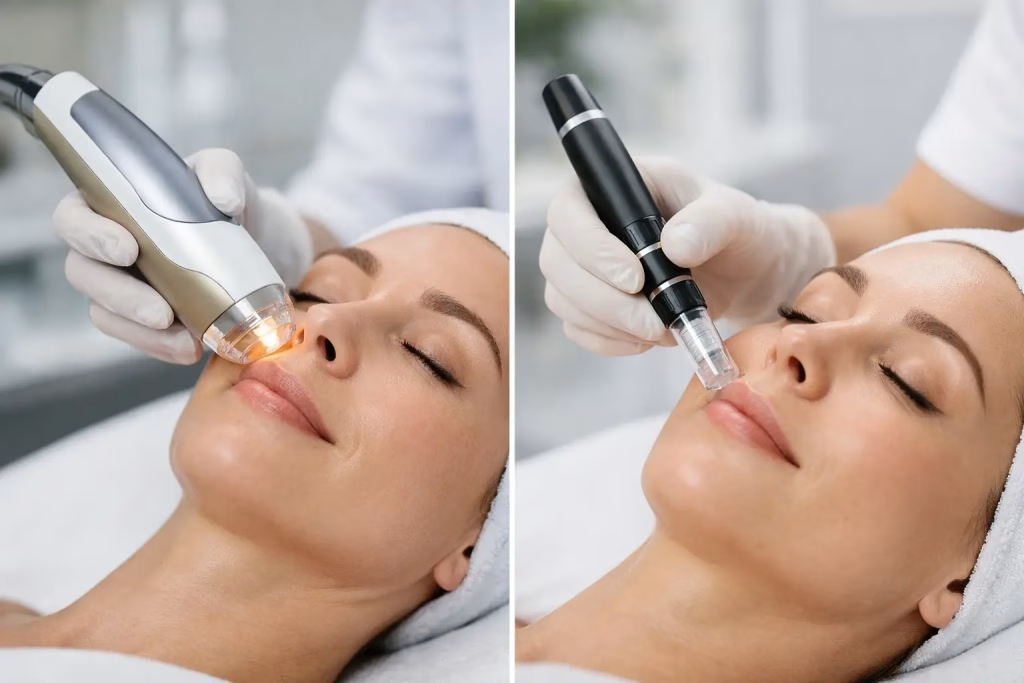
Traditional microneedling uses fine needles to create controlled micro-injuries in the skin. That process encourages the skin to produce more collagen and elastin as it heals. It is commonly chosen for acne scars, enlarged pores, mild textural irregularities, and overall skin refreshment.
Sylfirm X also uses microneedles, but it adds radiofrequency energy delivered beneath the skin. That extra energy changes the conversation entirely. Instead of relying on needling alone, Sylfirm X combines mechanical stimulation with heat-based remodeling. This gives it a broader range, especially for redness, melasma, vascular-related pigmentation, and firmer skin support.
In simple terms, microneedling focuses on controlled injury to trigger repair. Sylfirm X uses that same access point and layers in radiofrequency to create more targeted collagen remodeling and, in some cases, vascular regulation. That is why these two treatments may look similar at first glance but perform quite differently in practice.
Who tends to do well with microneedling?
Microneedling remains a strong treatment when the main goal is smoother, fresher skin without stepping into energy-based treatments. It often suits patients with mild acne scarring, superficial texture concerns, visible pores, or dullness. Younger patients who want prevention and maintenance may also appreciate it because it is straightforward and typically easier to build into a regular skin plan.
There is also a practical appeal. Standard microneedling is often more accessible in terms of cost, and many people are comfortable with the idea of a collagen-stimulating treatment that does not involve added heat. For patients with simpler concerns, that can be enough.
That said, its strengths are also its limits. If you are trying to improve persistent redness, rosacea-prone skin, melasma, or deeper laxity, microneedling may not be the most precise option on its own. It can improve quality and texture, but it may not address the vascular or pigment component driving the problem.
When Sylfirm X may be the stronger choice
Sylfirm X tends to stand out when skin concerns are more layered. If the issue is not just texture but redness, flushing, post-inflammatory discoloration, melasma, or early sagging, the radiofrequency component gives the treatment more versatility. It is especially appealing for patients who want one treatment platform that can address multiple concerns at the same time.
This is where a more tailored medical approach matters. Skin does not always age in one direction. A patient may have enlarged pores, visible vessels around the cheeks, some acne scarring, and a little laxity along the lower face. Standard microneedling may help one or two of those concerns. Sylfirm X can often be calibrated more deliberately across several.
Another point worth noting is skin sensitivity. Some patients assume a more advanced treatment is automatically harsher, but that is not always true. In experienced hands, Sylfirm X can be selected specifically because it offers a controlled way to treat reactive skin concerns, particularly redness and melasma, where aggressive heat-based treatments may not be ideal.
Results: texture, pigment, redness, and firmness
If your priority is texture, both treatments can help. Microneedling is well known for refining skin surface irregularities over a course of sessions. Sylfirm X can also improve texture, but many patients choose it because they want more than texture.
For acne scars, the answer depends on scar type and severity. Mild superficial scarring may respond well to standard microneedling. Deeper or more complex scarring often benefits from a more comprehensive plan, and Sylfirm X may play a role when collagen remodeling needs greater support. Still, not every scar is best treated with one technology alone. Some patients need combination treatments for the most polished result.
For redness and rosacea-prone skin, Sylfirm X usually has the advantage. Traditional microneedling is not typically the treatment people think of first for vascular redness. Sylfirm X was designed with a more sophisticated mechanism that can address abnormal blood vessels while also improving overall skin quality.
For melasma and difficult pigmentation, nuance is essential. Microneedling can support skin renewal, but melasma is notoriously reactive and often worsens when treated too aggressively. Sylfirm X is often discussed more favorably in this category because of its ability to target vascular and pigment pathways in a gentler, more controlled way. Even then, success depends on careful diagnosis, conservative settings, and disciplined aftercare.
For tightening, microneedling can deliver modest improvement through collagen stimulation. Sylfirm X generally offers more visible firming because radiofrequency reaches deeper tissue levels. If early laxity is part of your concern, this may be the tipping point.
Downtime and comfort level
Downtime is one of the most common deciding factors in sylfirm x vs microneedling. Standard microneedling usually leaves the skin pink or red for a day or two, with some sensitivity and a dry, tight feeling as the skin recovers. Many patients feel presentable fairly quickly, especially after lighter sessions.
Sylfirm X can also involve redness and mild swelling, but the experience varies depending on treatment intensity and the areas addressed. Some patients find the recovery manageable enough for a busy workweek, while others prefer to give themselves a few quieter days. The benefit is that the extra downtime may come with a broader treatment payoff.
As for discomfort, both treatments are generally well tolerated with numbing cream. Microneedling feels exactly how many people imagine it will feel – prickly, warm, and slightly abrasive in sensitive zones. Sylfirm X may feel more intense in some areas because of the radiofrequency energy, but comfort is usually very manageable in a medical setting.
How many sessions will you need?
Neither treatment is usually a one-and-done solution. Microneedling often works best as a series, particularly for scars and pores. Results build gradually as collagen remodels over time.
Sylfirm X also typically requires a series, though the exact number depends on the concern. Redness, melasma, and laxity often respond over several sessions spaced strategically apart. Because the treatment can target multiple concerns at once, some patients feel the overall journey is more efficient even if the plan still involves repeat visits.
This is where consultation matters more than marketing language. The same device can look miraculous online and feel underwhelming in real life if it is used for the wrong indication.
Which treatment is right for you?
If your skin goals are relatively simple – smoother texture, softer acne marks, smaller-looking pores, and a refreshed appearance – microneedling may be entirely appropriate. It is a respected treatment for a reason, and in the right patient, it can deliver elegant improvement.
If your concerns are more complex – redness, melasma, post-acne marks, delicate skin quality, or early skin laxity – Sylfirm X may offer a more strategic path. It is often chosen by patients who want a treatment with more precision and more range, not just more intensity.
At a premium aesthetic clinic such as Kelly Oriental Aesthetic Clinic, that distinction becomes especially important because the best treatment plan should feel bespoke rather than formulaic. A sophisticated skin strategy is not about choosing the newest device by default. It is about matching the technology to the biology of your skin.
The best next step is to stop asking which treatment is more popular and start asking which one is more suitable for your skin history, your goals, and your comfort level. The right answer is often the one that treats the cause of the concern, not just the surface of it.
