

Uncategorized
How to Reduce Underarm Pigmentation Safely
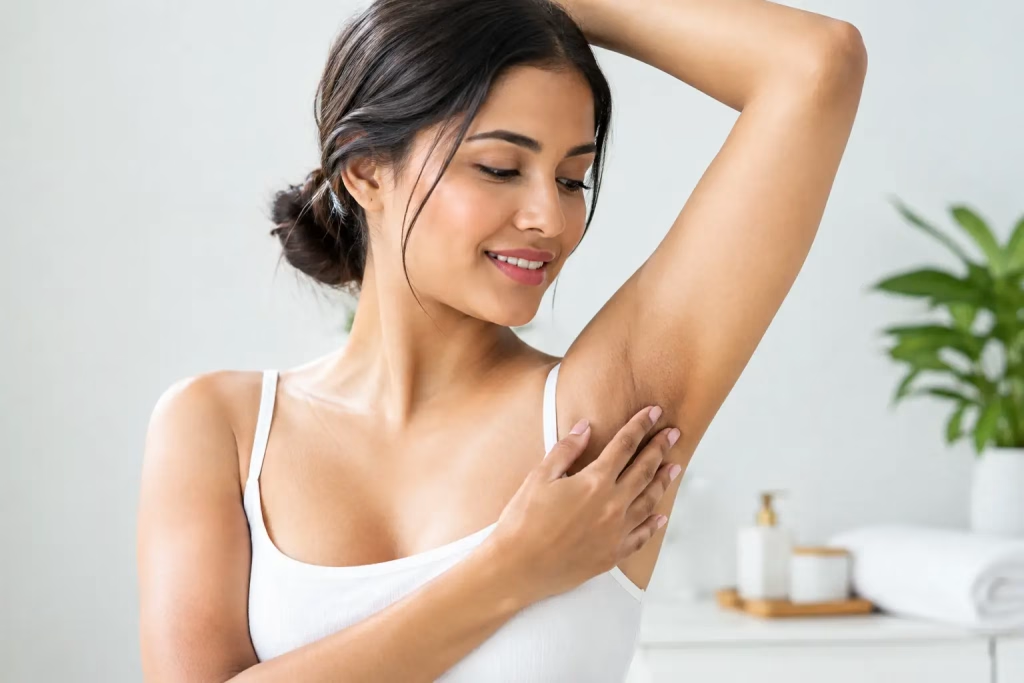
A sleeveless dress, a gym class, an arm raised to hail a cab – underarm discoloration can make ordinary moments feel more self-conscious than they should. If you are wondering how to reduce underarm pigmentation, the most effective approach is not aggressive scrubbing or a stronger deodorant. It is identifying what has irritated the skin, supporting its barrier, and choosing treatment options that respect this delicate area.
Underarm skin is thin, warm, and regularly exposed to friction, hair removal, sweat, and fragranced products. That combination makes it especially prone to post-inflammatory hyperpigmentation, where the skin produces extra melanin after irritation. With thoughtful care and, when appropriate, a clinician-led plan, the area can gradually appear clearer and more even.
Why Underarms Become Darker
Not all underarm pigmentation has the same cause. For many people, repeated shaving is a key contributor. A dull blade, dry shaving, or shaving too closely can create tiny cuts and inflammation that may leave behind uneven tone. Waxing, depilatory creams, and frequent plucking can have a similar effect, particularly in skin that is prone to pigment changes.
Friction is another common factor. Tight sleeves, repetitive arm movement, and fabric rubbing against damp skin may gradually deepen discoloration. Even well-intentioned exfoliation can become part of the problem when it is too frequent or abrasive.
Deodorants and antiperspirants also deserve consideration. Fragrance, alcohol, essential oils, and certain active ingredients can trigger irritation or contact dermatitis. The reaction may be subtle – a little itching, stinging, dryness, or redness – but persistent low-grade inflammation can result in lingering darkness.
Sometimes, darker underarms are associated with acanthosis nigricans, a condition in which skin develops a velvety, thicker appearance in body folds. It can be linked with insulin resistance, hormonal changes, certain medications, or other health concerns. Pigmentation that appears suddenly, becomes noticeably thicker, spreads to the neck or groin, or occurs alongside unexplained weight or menstrual changes deserves medical assessment before cosmetic treatment.
How to Reduce Underarm Pigmentation Without Over-Treating It
The first stage is to remove the triggers. This may feel less dramatic than an instant-brightening product, but it is what allows the skin to settle and respond to treatment. Stop using any product that stings, causes redness, or leaves the area dry and flaky. Switch to a fragrance-free deodorant formulated for sensitive skin, and avoid applying it immediately after shaving when the skin is most vulnerable.
Refine your hair-removal routine as well. Use a clean, sharp razor with a lubricating shave gel, shave in the direction of hair growth where possible, and rinse with lukewarm water rather than hot water. Follow with a simple, fragrance-free moisturizer. If shaving continues to cause bumps or discoloration, professional laser hair reduction may be worth discussing. By reducing the frequency of hair removal and ingrown hairs, it can lessen a recurring source of inflammation. Suitability depends on hair color, skin tone, and the device used, so professional assessment matters.
Gentle exfoliation can help lift surface buildup and support a smoother-looking tone, but more is not better. One to two applications a week of a mild chemical exfoliant, such as lactic acid or a low-strength glycolic acid, may be enough for some people. Do not use exfoliating acids on freshly shaved, waxed, irritated, or broken skin. If there is any burning that persists, pause the product rather than trying to “push through.”
For daily care, look for brightening ingredients with a calmer profile. Niacinamide can support the skin barrier and help improve uneven tone over time. Azelaic acid may be useful for pigment-prone skin, though its texture can be more active for some users. Ingredients such as licorice root extract, tranexamic acid, and alpha arbutin are also commonly included in pigmentation-focused formulas. Introduce only one new active product at a time, preferably every other night at first, so you can tell how your skin responds.
Avoid Home Remedies That Can Backfire
Lemon juice, baking soda, undiluted apple cider vinegar, toothpaste, and harsh physical scrubs are often promoted as quick fixes. They can disrupt the skin barrier, cause a chemical burn or rash, and leave darker marks afterward. The same caution applies to unregulated bleaching creams, which may contain undisclosed steroids, hydroquinone, or mercury.
The underarm is not a place for experimentation. A product that is tolerated on the face may still be too strong in an area that is occluded, frequently shaved, and exposed to sweat.
When Professional Treatment Makes Sense
At-home care can improve mild discoloration, but meaningful change is gradual. If pigmentation has been present for months, is pronounced, or returns despite careful routine changes, a medical aesthetic consultation can provide a more precise path forward. The goal is to determine whether the darkness is primarily pigment, hair shadow, friction-related thickening, inflammation, or a combination of factors.
A clinician may recommend prescription topical treatments when appropriate. These can include carefully monitored pigment-regulating ingredients that are stronger than over-the-counter options. They should be selected with care, especially for deeper skin tones, because irritation can worsen hyperpigmentation rather than improve it.
In-clinic exfoliating treatments may also be considered. Superficial chemical peels can encourage a more refined surface texture and support gradual brightening when performed at suitable strengths and intervals. The underarm requires a conservative protocol, and treatment should be postponed if there is active irritation, folliculitis, a rash, or recent hair removal.
For select candidates, energy-based treatments may be part of a tailored plan. Pico laser technology can be used to address certain forms of pigmentation with short, targeted pulses of energy. However, laser treatment is never a one-size-fits-all answer. Skin tone, pigment depth, recent sun exposure, history of post-inflammatory hyperpigmentation, and the cause of darkness all influence whether it is suitable. A test area and a measured treatment schedule may be recommended.
At Kelly Oriental Aesthetic Clinic, a doctor-led consultation can help distinguish cosmetic pigmentation from concerns that need medical evaluation, while creating a treatment journey that protects the skin’s long-term comfort and clarity. The right plan may combine professional care with a simplified home routine rather than relying on a single procedure.
What Results Can You Expect?
Underarm pigmentation rarely changes overnight. When irritation is the main driver, the skin may look calmer within a few weeks once triggers are removed, while visible brightening often takes eight to twelve weeks of consistent care. More established pigmentation can require several months and may need professional support.
Results also depend on what “lighter” means for your natural skin tone. Healthy treatment aims for a more even, comfortable, and refined appearance, not an artificially pale underarm. Some degree of natural variation in color is completely normal, particularly in body folds.
Consistency matters more than intensity. Keep your routine simple, avoid switching products every few days, and take well-lit photos every four weeks if you want an objective way to track progress. If the area becomes itchy, sore, scaly, or increasingly dark, stop active products and seek medical advice.
A More Comfortable Relationship With Your Skin
Underarm care is easy to overlook until discoloration becomes visible, yet this small area responds well to patient, intelligent attention. Choose gentler hair removal, protect the skin from repeated irritation, and seek expert guidance when home care has reached its limit. Clearer-looking underarms are best pursued as part of skin health – with treatments that feel considered, safe, and entirely your own.
