

Uncategorized
An Uneven Skin Tone Case Study in Precision Care
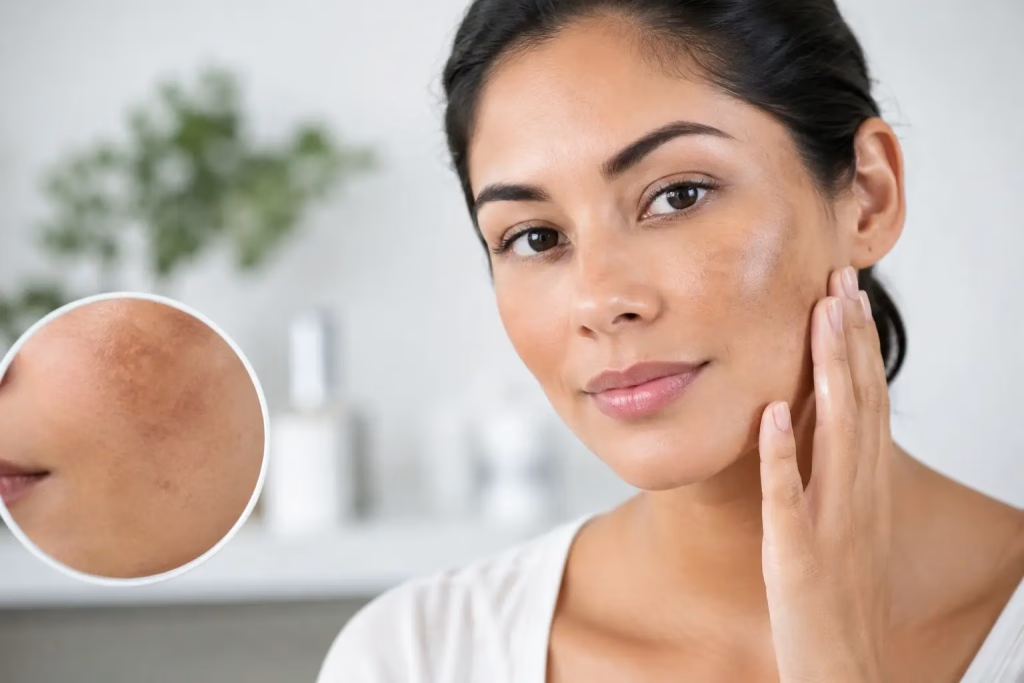
A brightening serum may lift surface radiance, yet it rarely explains why the complexion still appears patchy in certain light. This uneven skin tone case study illustrates the value of looking beyond the visible spot to understand the pattern beneath it: pigment type, inflammation, lifestyle triggers, skin barrier health, and the pace at which skin can safely respond.
At Kelly Oriental Aesthetic Clinic, skin clarity is approached as a considered, doctor-led journey rather than a one-size-fits-all brightening protocol. The goal is not to create an artificially pale complexion. It is to help skin look more even, rested, and refined while respecting its natural tone and resilience.
Uneven Skin Tone Case Study: The Initial Concern
This representative case study reflects a common presentation among busy urban professionals. Our patient, a woman in her late thirties, sought consultation after noticing that her complexion had become less uniform over the previous two years. Her main concerns were brown patches across the cheeks, small clusters of sun spots near the temples, and a duller cast around the mouth.
She had tried over-the-counter brightening products consistently, with some improvement in glow but little change in the more established discoloration. Her work involved frequent daytime travel, and although she used sunscreen most mornings, reapplication was inconsistent. She also described occasional sensitivity after using exfoliating acids and retinoid products together.
The concern was not simply pigmentation. It was a complexion that looked unevenly textured, mildly dehydrated, and easily irritated – factors that can make discoloration appear more pronounced. This distinction shaped every recommendation that followed.
Why a Proper Diagnosis Changes the Treatment Plan
“Uneven skin tone” is an umbrella term, not a diagnosis. It can describe sun-induced spots, melasma, post-inflammatory hyperpigmentation after acne, redness from vascular reactivity, surface buildup, or several concerns occurring at once. Treating all of these in the same way can produce disappointing results and, in some cases, unnecessary irritation.
During a medical aesthetic consultation, the doctor assesses the location, color, depth, and symmetry of discoloration, alongside the skin’s sensitivity and current skincare routine. Brown, well-defined spots may respond differently from diffuse, hormonally influenced pigmentation. Redness may be mistaken for pigment, while residual acne marks can include both vascular and brown components.
For this patient, the assessment suggested a mixed picture: accumulated sun exposure, early diffuse pigmentation, and low-grade inflammation from an overactive home routine. There was no single device or product that could credibly address every factor overnight. A measured plan was more appropriate than an aggressive series of treatments.
The trade-off between speed and skin stability
It is understandable to want a rapid reset before a holiday, wedding, or major presentation. However, stronger is not always smarter where pigment is concerned. Excessive heat, poorly timed exfoliation, and inadequate sun protection can trigger inflammation, particularly in skin prone to post-inflammatory hyperpigmentation.
A thoughtful plan balances visible improvement with the protection of the skin barrier. It may begin by calming sensitivity and correcting daily habits before escalating energy-based treatment. For certain patients, this takes longer. It also reduces the risk of chasing brighter skin at the expense of comfortable, stable skin.
The Bespoke Treatment Strategy
The patient’s program was designed across several phases, with review points rather than a fixed promise. The first phase focused on preparation: simplifying her home routine, introducing barrier-supportive hydration, and establishing broad-spectrum sunscreen use with deliberate reapplication when outdoors.
A Hydrafacial and hydrating care sessions were selected to support gentle surface renewal and moisture balance without the prolonged peeling that can be inconvenient for a professional schedule. This was not intended to erase pigment. It was intended to create a healthier baseline, so the complexion looked less dull and could better tolerate targeted treatments.
Once sensitivity had settled, the doctor recommended Pico Laser sessions directed at the patient’s discrete sun spots and overall pigment irregularity. Pico Laser technology delivers ultra-short pulses of energy that can fragment pigment particles while allowing treatment settings to be tailored to the patient’s skin condition and concern. The approach, interval, and number of sessions vary considerably. Darker skin tones, melasma-prone skin, and patients with a history of inflammation may require especially conservative parameters and closer review.
The patient was advised that her diffuse cheek pigmentation would need ongoing management rather than a single dramatic intervention. For this reason, treatment was paired with carefully selected topical skincare and strict photoprotection. The plan also allowed room to adjust if the skin showed signs of sensitivity or if seasonal sun exposure increased.
What Progress Looked Like, Session by Session
After the first preparatory phase, the patient reported that her skin felt more comfortable and appeared less congested. In photographs taken under consistent lighting, the overall change was subtle. Yet her skin had a more hydrated finish, and makeup applied more evenly. These early shifts mattered because they indicated that the barrier was recovering.
Following subsequent Pico Laser sessions, the more defined sun spots gradually appeared lighter. The broader areas of unevenness did not disappear at the same pace, which was discussed from the outset. Pigment has different depths and drivers, and a realistic timeline protects patients from the frustration of expecting uniform change across every part of the face.
By the later review appointment, the most meaningful outcome was not a filter-like complexion. It was improved consistency: less contrast between the cheeks and surrounding skin, a clearer appearance around the temples, and a more luminous quality without persistent irritation. The patient also felt more confident wearing lighter coverage makeup.
Individual outcomes vary. Skin response depends on diagnosis, treatment settings, adherence to aftercare, hormonal influences, genetics, medications, and daily sun exposure. Clinical photography and scheduled reviews are valuable because memory is often less reliable than standardized comparison.
The Home Care That Protected the Investment
Professional treatments can initiate change, but daily choices influence whether that progress holds. In this case, sunscreen was not presented as an optional final step. It became the foundation of the entire plan. The patient chose a formula she genuinely enjoyed wearing, making regular application and reapplication more realistic.
Her revised routine also avoided the cycle of using multiple corrective actives at once. Instead, she used a gentle cleanser, a targeted pigment-supporting product selected for her tolerance, moisturizer, and sun protection in the morning. In the evening, active ingredients were introduced on a controlled schedule, with recovery nights built in when necessary.
This quieter routine was a strategic choice, not a compromise. When skin is repeatedly irritated, the inflammation itself can contribute to persistent uneven tone. Consistency with a well-chosen plan tends to outperform a crowded shelf of high-strength products used unpredictably.
When treatment should be reassessed
New or changing pigmented lesions should always be medically evaluated rather than treated cosmetically without assessment. Similarly, persistent redness, itching, scaling, or sudden darkening warrants a review of the routine and treatment plan.
Pregnancy, breastfeeding, active skin infection, certain medications, recent tanning, and a history of recurrent melasma may affect the timing or selection of procedures. A premium treatment experience should still be medically prudent. Sometimes the best recommendation is to defer a procedure, strengthen the skin barrier, or choose a lower-intensity option first.
A More Considered Standard for Skin Clarity
The most successful pigmentation plans are rarely built around a single appointment. They combine diagnostic precision, appropriate technology, supportive skin care, and follow-through that fits real life. For those navigating demanding workdays, social commitments, and Singapore’s intense sun exposure, that practicality is part of the treatment itself.
If your complexion has begun to look uneven despite a diligent routine, begin with a professional assessment rather than another impulse purchase. A carefully tailored plan can help you pursue clearer-looking skin with the patience, protection, and clinical judgment it deserves.
