

Uncategorized
How to Prevent Melasma Recurrence Long Term
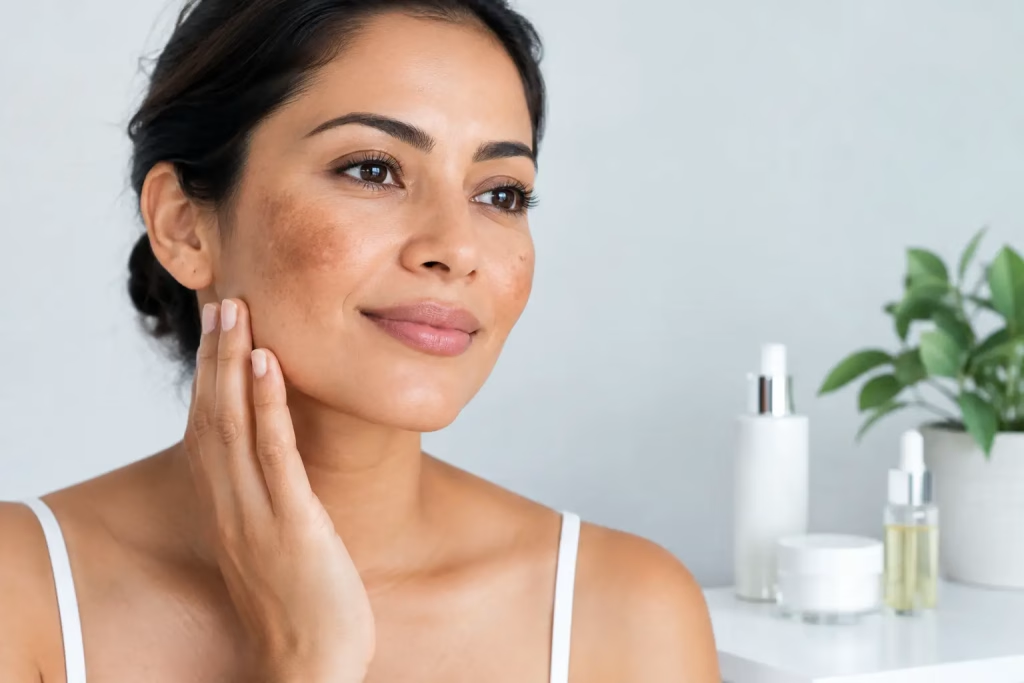
A clear, even complexion after melasma treatment can feel deeply rewarding. Yet melasma is known for returning when the triggers that stimulated pigment production remain active. Learning how to prevent melasma recurrence is less about finding one perfect product and more about creating a refined, consistent maintenance plan that protects your results every day.
Melasma is a chronic pigment condition, which means it can be managed beautifully but may require ongoing care. Sunlight, visible light, heat, hormonal shifts, skin inflammation, and overly aggressive treatments can all encourage melanocytes, the cells that produce pigment, to become active again. A thoughtful approach combines daily prevention with professional guidance when your skin needs more support.
Why Melasma Returns
Melasma appears as symmetrical brown, gray-brown, or tan patches, most often across the cheeks, forehead, upper lip, and jawline. Although it may fade with topical treatments, chemical peels, energy-based procedures, or prescription care, the underlying tendency toward excess pigmentation can remain.
Ultraviolet exposure is the most familiar culprit, but it is not the only one. UVA rays penetrate through clouds and windows, while visible light, including high-energy visible light, may worsen pigmentation in many people with melasma. This is why someone can be diligent on a beach vacation yet still notice their patches deepening after long workdays near a bright window or during a hot outdoor commute.
Hormonal changes can also play a role. Pregnancy, birth control, hormone therapy, and certain endocrine changes may influence melasma activity. For some patients, the trigger is clear. For others, recurrence reflects several smaller factors occurring at once, such as a sunny weekend, heat exposure, an irritated skin barrier, and inconsistent sunscreen use.
How to Prevent Melasma Recurrence With Daily Protection
The most effective long-term strategy is disciplined, broad-spectrum sun and visible-light protection. This should be viewed as an essential part of your treatment plan, not an optional finishing step.
Choose a broad-spectrum sunscreen with SPF 30 or higher every morning, even when you plan to remain indoors. For melasma-prone skin, many dermatology professionals recommend a tinted mineral sunscreen containing iron oxides. Iron oxides help provide defense against visible light, while zinc oxide and titanium dioxide offer reliable broad-spectrum UV protection. The tint can also create a more polished, even-looking finish without requiring a heavy foundation.
Apply enough sunscreen to cover the face, ears, neck, and any other exposed areas. A thin layer is rarely enough to achieve the protection stated on the label. Reapply every two hours when outdoors, and reapply after swimming, sweating, or toweling off. If you wear makeup, a tinted sunscreen applied as your base can make this habit easier to maintain throughout the day.
Physical protection adds another meaningful layer. A wide-brimmed hat, UV-protective sunglasses, and shade during peak daylight hours reduce the cumulative exposure that can quietly reactivate pigmentation. If you drive often, remember that UVA can pass through car windows. Consistency matters more than occasional perfection.
Treat Heat as a Potential Trigger
Many people focus exclusively on sunlight and overlook heat. For some individuals, heat can aggravate melasma by increasing inflammation and vascular activity in the skin. The response varies, so it is helpful to notice whether your pigmentation appears darker after hot yoga, steam rooms, intense outdoor exercise, saunas, or prolonged time in a warm kitchen.
This does not necessarily mean avoiding every warm environment. The goal is to identify patterns and make sensible adjustments. Choose cooler exercise hours, take breaks from direct heat, use a fan during workouts, and avoid prolonged facial flushing whenever possible. If heat sensitivity is a consistent concern, discuss it during your consultation so your maintenance plan can be tailored accordingly.
Keep Your Skin Barrier Calm and Supported
Melasma-prone skin generally responds best to a calm, well-supported skin barrier. Irritation can create inflammation, and inflammation may signal pigment cells to produce more melanin. A routine that is too aggressive can therefore undermine the results you are trying to preserve.
Use a gentle cleanser, a nourishing moisturizer, and carefully selected active ingredients. Prescription options such as hydroquinone, tretinoin, or compounded pigment-regulating formulas may be appropriate for certain patients, but they should be used under medical guidance. Other commonly used ingredients include azelaic acid, tranexamic acid, vitamin C, niacinamide, kojic acid, and cysteamine. The right choice depends on your skin tone, sensitivity, current treatment plan, pregnancy status, and history of irritation.
Introduce one new active at a time. A burning sensation, peeling, persistent redness, or breakouts may be signs that your routine needs to be simplified. More product is not always more effective. With melasma, a measured routine often delivers more elegant, sustainable progress than frequent exfoliation or a constantly changing collection of brightening products.
Be Strategic About Professional Treatments
Professional treatments can help address persistent or recurrent melasma, especially when topical care and sun protection are no longer enough. However, melasma requires a conservative, individualized approach. Treatments that are too intense can create post-inflammatory hyperpigmentation and make discoloration appear more pronounced.
A qualified aesthetic physician may consider options such as prescription topical therapy, gentle chemical peels, microneedling-based approaches, low-energy laser protocols, or carefully selected Pico Laser treatments. The most suitable plan depends on whether the pigment is superficial, deeper within the skin, or mixed, as well as your skin type, lifestyle, and history of response.
Laser treatment can be valuable in the right hands, but it is not a permanent cure for melasma. Think of it as one part of a larger maintenance strategy. Patients who continue with diligent sunscreen use, a stable home-care routine, and periodic reviews typically have a better chance of maintaining an even-toned result than those who rely on a single intensive procedure.
Avoid Chasing Quick Fixes
A dramatic treatment may sound appealing before an event, but melasma rarely rewards an aggressive approach. Strong peels, unregulated bleaching creams, harsh scrubs, and high-heat treatments can compromise the skin barrier or provoke inflammation. This may lead to rebound pigmentation that is more difficult to address.
If you are considering a new facial, at-home device, or exfoliating product, ask whether it is appropriate for melasma-prone skin. A short pause for expert advice can protect months of carefully built progress.
Review Hormonal and Lifestyle Factors
When melasma returns despite careful sun protection, it is worth reviewing hormonal and lifestyle contributors with your physician. If you noticed melasma after beginning a contraceptive, hormone therapy, or a new medication, your medical provider can help determine whether there is a connection and discuss suitable options. Do not stop prescribed medication without their advice.
Stress, poor sleep, and inflammation are not proven direct causes in every case, but they can affect the skin’s resilience and your ability to maintain a routine. The most realistic plan is one that works during busy workweeks, travel, and social commitments. Keep sunscreen where you will use it, schedule maintenance appointments before your calendar becomes crowded, and select products you enjoy applying consistently.
Build a Maintenance Plan You Can Sustain
Melasma management is highly personal. Some people do well with daily tinted sunscreen and a pigment-supporting serum, while others benefit from prescription treatment cycles and regular in-clinic maintenance. Seasonal changes matter too. You may need more vigilant protection before a sunny vacation, during summer months, or when spending more time outdoors.
A professional review is especially worthwhile if patches are spreading, becoming darker, changing in pattern, or not responding to your current routine. Not all facial pigmentation is melasma, and an accurate assessment helps ensure that treatment is safe and appropriate for your skin.
The most reassuring way to approach melasma is to see prevention as an act of ongoing care rather than a restriction. With thoughtful protection, gentle consistency, and expert support when needed, your skin can remain clearer, calmer, and beautifully cared for over time.
