
Uncategorized
Is Laser Tightening Effective for Firmer Skin?
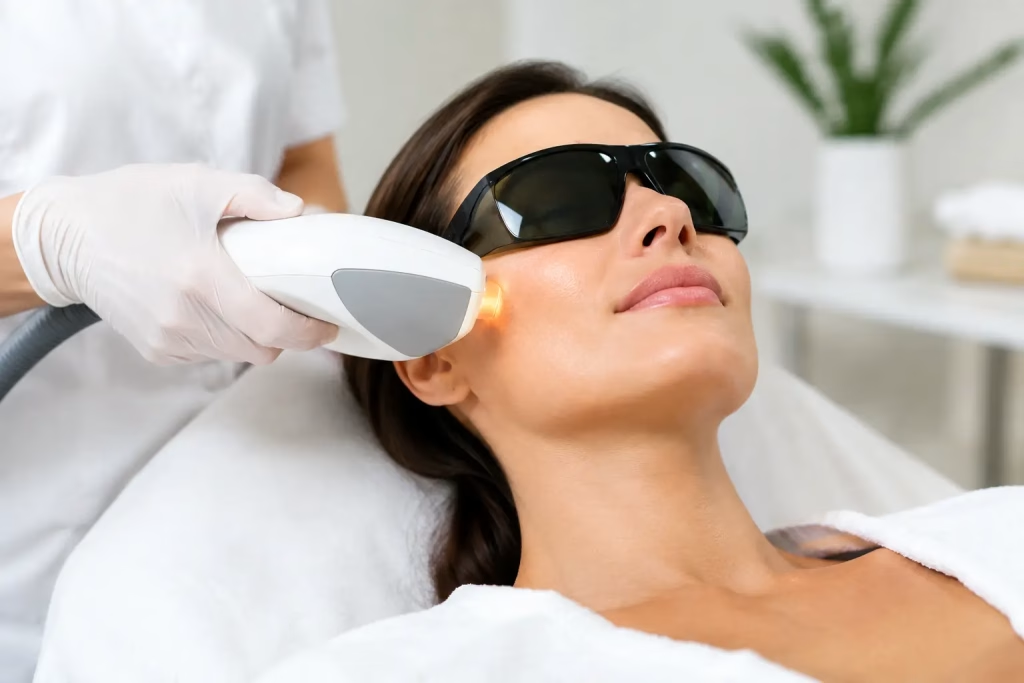
A softer jawline in photographs, creasing around the mouth that lingers after expression, or skin that no longer sits as smoothly on the neck can make one question whether a non-surgical treatment can genuinely help. So, is laser tightening effective? For the right concern, skin quality, and treatment plan, energy-based tightening can create meaningful improvement in firmness and contour without surgery. The more accurate answer, however, is not a simple yes or no. Results depend on the technology used, the degree of laxity, and the skin’s own ability to build new collagen.
At a premium aesthetic clinic, tightening should never be treated as a one-size-fits-all procedure. It is a considered process of selecting the appropriate energy, treatment depth, and timing to help the skin look naturally refreshed rather than altered.
What People Mean by Laser Tightening
“Laser tightening” is often used as a broad term for treatments that heat targeted layers of the skin to stimulate collagen remodeling. Collagen is the structural protein that gives skin its support and resilience. As collagen production and quality decline with age, the face and body may begin to appear less defined, thinner, or more creased.
Not every treatment described as skin tightening is technically a laser. Some devices use radiofrequency, while others use focused ultrasound. Each modality delivers controlled energy at different depths and is chosen for a different aesthetic objective. Thermage, for example, uses radiofrequency to support collagen remodeling in areas such as the face, eyes, neck, and body. Ultherapy uses focused ultrasound to target deeper foundational layers commonly associated with lifting and definition.
This distinction matters because the most effective treatment is not necessarily the one with the most familiar name. It is the one that matches where the laxity is occurring and what the skin needs to look more refined.
Is Laser Tightening Effective for Mild to Moderate Laxity?
Energy-based tightening is generally most rewarding for people with mild to moderate skin laxity. This may include early jowling, a less-defined jawline, fine crepey texture around the eyes, loose skin beneath the chin, or a neck that has begun to lose its crisp contour. It may also be suitable for selected body areas where the skin feels less toned after weight changes or pregnancy.
The goal is improvement, not a surgical transformation. A well-performed treatment may make the lower face appear more supported, soften the look of fine lines, and improve the overall quality of the skin. The result is usually understated in the best sense: friends may notice that you look rested, polished, or somehow fresher without being able to identify why.
For advanced sagging, pronounced jowls, or significant excess skin, surgery may provide a more substantial lift. A responsible consultation should acknowledge that limit clearly. Non-surgical technologies can stimulate the skin to perform better, but they cannot remove large amounts of loose skin or reposition tissue in the way a surgical procedure can.
Why collagen response makes results variable
Treatment energy initiates a repair response, but the body completes the work. Age, genetics, sun exposure, smoking, nutrition, hormonal changes, and baseline skin quality all influence collagen production. Someone in their late thirties with early laxity and good skin quality may see a more visible response than someone with more advanced volume loss or severely sun-damaged skin.
This does not mean mature skin cannot benefit. It means the treatment strategy may need to be more layered. Skin tightening can be paired thoughtfully with skin boosters, collagen-stimulating treatments, injectables for structural support, or pigment and texture treatments when these concerns coexist. The aim is to respect facial balance rather than chase one isolated concern.
What Results Can You Realistically Expect?
Immediately after treatment, some people notice a subtle temporary firmness caused by tissue contraction and mild swelling. The more meaningful change develops gradually as collagen remodels. Depending on the technology and area treated, improvement often becomes more apparent over the following two to six months.
This slower timeline is one reason these procedures appeal to clients who prefer discretion. There is no sudden, dramatic shift in appearance. Instead, the skin may progressively look smoother, firmer, and more supported. Results can last a year or longer, although aging continues and maintenance treatment may be appropriate depending on the device, your goals, and how your skin responds.
It is also worth separating tightening from volume restoration. A face can look less lifted because of skin laxity, but it can also look less defined because of volume loss in the cheeks, temples, or chin. Tightening energy does not replace lost volume. During a detailed assessment, an experienced doctor can determine whether laxity, volume change, skin texture, or a combination of factors is driving the concern.
Choosing the Right Technology and Treatment Depth
A polished treatment outcome begins with diagnosis. The same concern, such as a softening jawline, can have several causes. For one person, it may be early skin laxity. For another, it may be a heavier lower face, submental fullness, facial volume changes, or muscle activity affecting the jawline’s shape.
At Kelly Oriental Aesthetic Clinic, treatment planning is centered on this distinction. A doctor-led assessment considers facial proportions, skin thickness, degree of laxity, prior aesthetic treatments, lifestyle, and the level of downtime you are comfortable with. This allows recommendations to remain tailored rather than device-led.
Thermage may be considered when the goal is non-invasive collagen stimulation and smoother, firmer-looking skin. Ultherapy may be selected when deeper-focused energy is appropriate for lifting and contouring. Other technologies may be more suitable for surface texture, pores, scars, or pigmentation, which can enhance the overall quality of the skin but should not be confused with a lifting treatment.
Comfort, downtime, and safety considerations
Most non-surgical tightening treatments involve little to no social downtime. Temporary redness, tenderness, swelling, or sensitivity can occur, particularly in more delicate areas. These effects are usually short-lived, but aftercare guidance matters. Sun protection, gentle skincare, and avoiding unnecessary heat exposure immediately after treatment can support recovery.
Comfort varies by device, treatment area, and individual sensitivity. Modern protocols may include topical numbing, cooling, or other measures to make the experience more comfortable. The treatment should feel carefully managed, not rushed. Settings should be selected for safety and effectiveness, particularly on thinner skin around the eyes, along the jawline, and on the neck.
Not everyone is a suitable candidate. Pregnancy, certain implanted medical devices, active skin infections, recent procedures, and particular medical conditions may affect eligibility. A transparent medical consultation is essential, especially if you have a history of keloid scarring, are taking medications that affect healing, or have recently used other energy-based treatments.
How to Make Your Results More Worthwhile
The longevity and visibility of results are influenced by what happens beyond the treatment room. Daily broad-spectrum sunscreen is one of the most valuable investments in collagen preservation. Ultraviolet exposure accelerates collagen breakdown, undermining the very structure that tightening treatments are designed to support.
A consistent skincare routine can also help maintain a refined result. Ingredients such as retinoids, antioxidants, and barrier-supporting hydrators may be recommended based on your skin tolerance and concerns. Good sleep, stable weight, and avoiding smoking further support skin health over time.
It is equally helpful to begin with a clear goal. “I want to look less tired” is a valid objective, but it should be translated into a clinical plan. Perhaps the real priority is eye-area crepiness, perhaps it is jawline definition, or perhaps the concern is skin quality rather than true sagging. Precise goals allow for more precise treatment choices.
The Most Effective Approach Is a Personalized One
Laser and energy-based tightening can be highly effective when expectations are realistic and the treatment is selected with care. It works best as part of a long-term approach to skin quality, facial balance, and collagen health, rather than as a quick substitute for surgery or a single answer to every sign of aging.
If you are considering tightening, seek a consultation that looks beyond a device name and focuses on your individual anatomy, lifestyle, and desired level of change. The right plan should leave you feeling informed, comfortable, and confident that every recommendation serves your features and your goals.
