
Uncategorized
Hydrafacial vs Oxygen Facial: Which Treatment Suits You?
A polished complexion before an important event is appealing, but the best facial is not always the one that promises the most immediate glow. In the Hydrafacial vs oxygen facial conversation, the right choice depends on what your skin needs beneath the surface: thorough pore cleansing and exfoliation, replenishing hydration, a soothing reset, or a more considered combination of these benefits.
Both treatments can leave skin looking fresher, smoother, and more luminous with little to no downtime. Yet they work in notably different ways. Understanding that distinction helps you choose a treatment that supports your complexion now, rather than simply following the latest facial trend.
Hydrafacial vs Oxygen Facial: The Core Difference
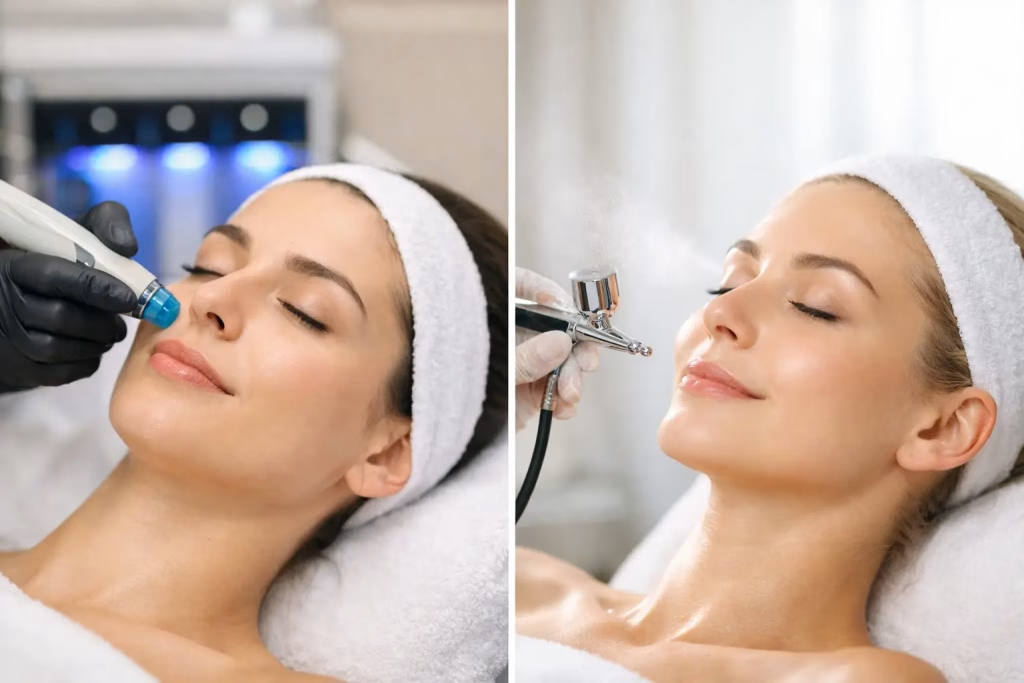
A Hydrafacial is a multi-step, device-assisted treatment designed to cleanse, exfoliate, extract congestion, and infuse the skin with targeted hydrating serums. Its signature vortex technology uses controlled suction and fluid delivery to lift impurities from pores while bathing the skin in active ingredients. It is a results-oriented facial that addresses surface dullness and congestion while restoring a more hydrated, refined appearance.
An oxygen facial generally refers to a treatment that delivers oxygen topically or uses an oxygen-infused stream to apply lightweight serums to the skin. The experience is often cooling, calming, and restorative. Depending on the protocol, it may be paired with gentle cleansing, exfoliation, masks, massage, or antioxidant-rich serums. Since “oxygen facial” is a broad term rather than one standardized procedure, the exact steps and technology can vary significantly between providers.
In practical terms, Hydrafacial is usually the more comprehensive choice when pores, uneven texture, blackheads, and buildup are central concerns. An oxygen facial is often selected when skin feels tired, dehydrated, sensitized, or in need of a gentle pre-event refresh.
What a Hydrafacial Can Address
The strength of Hydrafacial lies in its structured approach. Rather than relying on manual extraction alone, it combines exfoliation, suction, and serum infusion in a single treatment sequence. This makes it particularly appealing for busy professionals who want visible refinement without scheduling substantial recovery time.
A typical treatment begins with a cleanse and gentle exfoliation to remove dead skin cells. The skin is then treated with a mild peel solution and vortex extraction, helping to clear excess oil and pore debris. The final infusion step replenishes moisture and can be tailored with boosters selected for concerns such as dehydration, visible pores, uneven tone, or early signs of aging.
For skin prone to congestion, this controlled extraction step can be a meaningful advantage. It may help improve the look of blackheads and reduce the dull, rough quality that comes from accumulated oil and debris. Hydrafacial can also be a strong maintenance treatment for those who use active skincare at home and want professional support for smoother texture and more consistent clarity.
That said, it is not a substitute for medical treatment of active inflammatory acne, severe rosacea, or chronic skin conditions. When breakouts are persistent or the skin barrier is compromised, a doctor-led assessment can determine whether a gentler protocol, clinical skincare, or another treatment approach is more appropriate.
Where an Oxygen Facial Shines
An oxygen facial is often chosen for its immediate comfort and radiance. The cool application can feel especially pleasant when skin is warm, dry, or temporarily stressed by travel, late nights, air conditioning, or environmental exposure. It is typically less intensive than a Hydrafacial and focuses more on replenishment than pore clearing.
The treatment is well suited to someone whose skin is relatively clear but appears lackluster or dehydrated. A carefully chosen serum may deliver humectants, antioxidants, or calming ingredients, while the application itself creates a polished finish that many clients appreciate before a wedding, dinner, photoshoot, or business event.
Its gentler nature can also make an oxygen facial attractive for clients who prefer a facial with minimal sensation and no extraction-focused component. The trade-off is that it may not deliver the same degree of exfoliation or visible pore cleansing as a Hydrafacial. If your primary concern is stubborn congestion around the nose, chin, or forehead, oxygen infusion alone is unlikely to be the most targeted answer.
Results, Downtime, and What to Expect
Both treatments are commonly described as low-downtime options. After a Hydrafacial, many people notice smoother skin, clearer-looking pores, and a hydrated glow immediately. Mild temporary redness can occur, particularly in sensitive skin or after more focused extractions, but it generally settles quickly. It is wise to avoid strong exfoliants, retinoids, and excessive heat immediately afterward unless your provider advises otherwise.
An oxygen facial tends to offer an instant dewy finish with little disruption to the day. The skin may look more rested and feel comfortably hydrated, though the effects are often more subtle and short-lived when compared with a treatment that includes exfoliation and extraction. It can be a beautiful choice before an occasion, especially when the goal is soft radiance rather than intensive resurfacing.
Neither option should be judged solely by how dramatic the first-day glow appears. Long-term skin quality is shaped by consistency, daily sun protection, appropriate home care, and treatments selected according to your skin’s changing needs. A monthly Hydrafacial may suit one person’s maintenance plan, while another may benefit from oxygen facials between more advanced procedures or during periods of sensitivity.
How to Choose for Your Skin Concerns
Choose a Hydrafacial when your complexion feels congested, rough, dull, or visibly dehydrated at the same time. It is particularly useful when you want a more thorough professional cleanse without the extended redness associated with some stronger resurfacing treatments. It can also work well as preparation for an occasion, ideally scheduled with enough lead time to allow your skin to settle into its best glow.
Choose an oxygen facial when hydration, comfort, and a refreshed appearance are the priority. It may be the more fitting option if your skin has recently felt dry, tight, or reactive, or if you simply prefer a lighter-touch facial experience. A skilled therapist can further personalize the serums and finishing care to complement your skin type.
For concerns such as pronounced pigmentation, acne scarring, deep wrinkles, laxity, or persistent redness, either facial may serve as supportive skin maintenance rather than the main corrective treatment. These concerns often benefit from a more customized plan that may include doctor-guided options such as laser treatments, radiofrequency microneedling, skin boosters, or other clinically selected modalities.
Why Personalization Matters More Than the Facial Name
A premium facial should not feel like a fixed menu item applied the same way to every complexion. Skin can be oily yet dehydrated, acne-prone yet sensitive, or smooth in texture but uneven in tone. The best treatment considers those overlaps, as well as your current skincare routine, recent procedures, event timing, and tolerance for exfoliation.
During a professional consultation, be clear about any recent laser procedures, injectables, chemical peels, prescription acne medications, allergies, or active irritation. These details influence not just what is safe to perform, but how a treatment should be adjusted for a calm, polished result.
At Kelly Oriental Aesthetic Clinic, this tailored perspective is central to creating a treatment journey that feels both indulgent and clinically considered. The most flattering glow is not borrowed from a one-size-fits-all protocol. It comes from choosing care that respects where your skin is today and where you would like it to go next.
