

Uncategorized
Can Lasers Treat Freckles? What to Expect
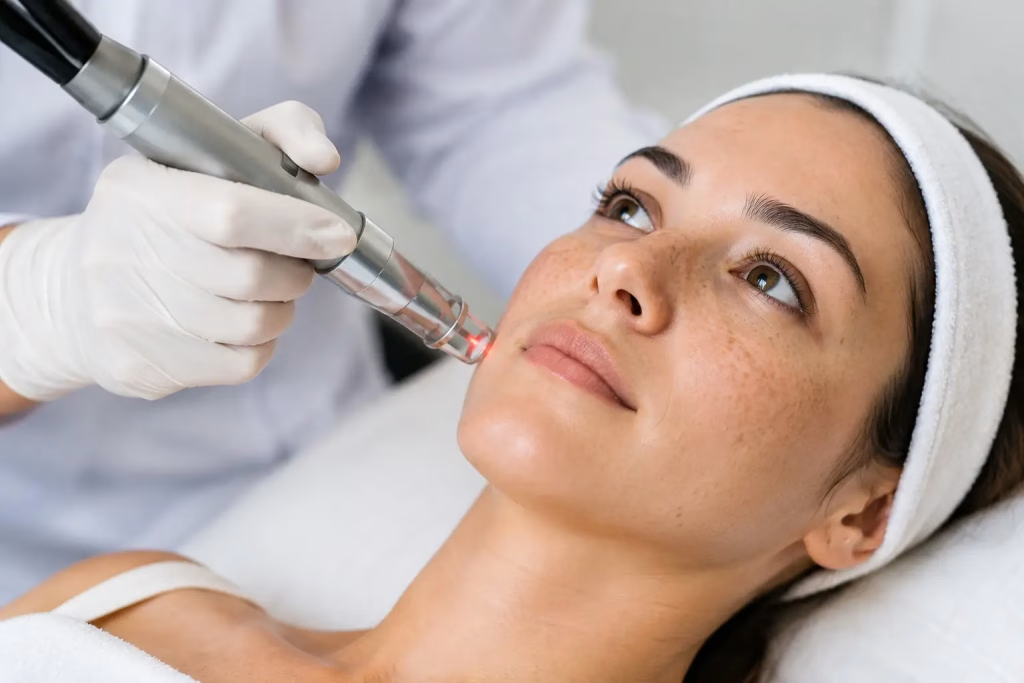
A scattering of freckles can look sun-kissed in one season and feel distracting in the next, especially when they become darker, more numerous, or unevenly distributed across the cheeks, nose, chest, and shoulders. So, can lasers treat freckles? Yes. The right laser treatment can visibly lighten or clear many freckles by targeting excess pigment with precision. The more meaningful question is whether laser treatment is appropriate for your skin, your pigmentation pattern, and the results you hope to maintain.
Freckles are not simply a surface concern to be erased with a single setting. They are influenced by genetics, sun exposure, skin tone, and the way your skin produces melanin. A thoughtful, doctor-led assessment helps distinguish freckles from other forms of pigmentation and creates a treatment plan that respects both your complexion and your long-term skin health.
Can Lasers Treat Freckles With Lasting Results?
Lasers can effectively treat freckles, particularly the small, well-defined brown spots that deepen after UV exposure. These spots, medically known as ephelides, are common in people with lighter skin tones but can occur across a range of complexions. They tend to fade somewhat when sun exposure decreases and return or darken with repeated exposure.
Pigment-targeting lasers work through selective photothermolysis, a precise process in which laser energy is absorbed by melanin, the pigment responsible for color in the skin. The energy breaks pigment into smaller particles that the body gradually clears. Following treatment, freckles commonly darken temporarily before they flake away or fade over the following days and weeks.
A Pico Laser is often considered for suitable pigmentation concerns because it delivers ultra-short pulses of energy. This may help fragment pigment efficiently while minimizing heat exposure to surrounding tissue. However, the best device and settings depend on more than the presence of brown spots. Your natural skin tone, recent sun exposure, sensitivity, history of post-inflammatory hyperpigmentation, and the exact diagnosis all matter.
Laser treatment can clear existing freckles very effectively, but it does not change your genetic tendency to form them. New freckles may appear with ongoing UV exposure. Think of laser treatment as a refined reset for visible pigment, paired with consistent protection to preserve a more even-looking complexion.
Freckles, Sun Spots, and Melasma Are Not the Same
Many people describe any brown mark as a freckle. In practice, pigmentation needs to be identified carefully before treatment begins.
Freckles are typically small, flat, and scattered. They often become more noticeable after time in the sun. Solar lentigines, often called sun spots or age spots, are usually more defined and persistent. They may respond well to laser treatment too, though they can require a different approach.
Melasma is different again. It often appears as larger, symmetrical patches across the cheeks, forehead, upper lip, or jawline. It is influenced by UV exposure, visible light, heat, hormones, and genetics. An aggressive laser approach may worsen melasma in some patients, particularly when inflammation triggers rebound pigmentation. In these cases, a measured plan may include topical skincare, diligent sun protection, carefully selected energy-based treatments, and maintenance rather than a one-time clearing session.
There is also an essential safety consideration: any new, changing, irregular, itchy, bleeding, or unusually dark spot should be medically evaluated before cosmetic treatment. A laser should never be used to disguise a lesion that requires diagnosis.
What a Personalized Freckle Laser Plan May Include
A premium laser experience should begin well before the device is placed on the skin. At Kelly Oriental Aesthetic Clinic, treatment planning is centered on consultation, skin assessment, and the selection of an approach that suits the individual rather than a standard package.
Your provider may first review your skin history, including prior pigmentation treatments, eczema or sensitivity, cold sore history, medications, pregnancy status, and tendency to scar or develop dark marks after inflammation. They will examine the color, depth, and distribution of pigmentation, as well as your baseline skin tone and current level of sun exposure.
For some patients, one carefully performed session can create a noticeable improvement in discrete freckles. Others may benefit from a series of treatments, especially when pigment is widespread or there are overlapping concerns such as uneven tone, sun damage, enlarged pores, or dullness. Treatments are typically spaced apart to allow the skin to recover and for pigment to clear naturally.
A bespoke plan may also include medical-grade skincare to support pigment control, barrier health, and a brighter overall tone. This is particularly valuable for patients whose freckles sit alongside dehydration, textural changes, or early signs of photoaging.
What Happens During and After Laser Treatment?
The treatment itself is usually efficient. After the skin is cleansed, protective eyewear is applied and the provider delivers controlled pulses across the treatment area. Sensation varies by device and settings, but many patients describe a brief snapping or warm feeling. Cooling measures may be used to enhance comfort.
Immediately afterward, the skin can look mildly red or feel warm, similar to a light sunburn. Treated freckles often appear darker within the first day or two. This is an expected part of the pigment-clearing process, not a sign that the treatment has failed.
Over the next several days, the spots may look peppered, dry, or slightly flaky. Avoid picking, exfoliating, or scrubbing the area. Gentle cleansing, a bland moisturizer, and broad-spectrum sunscreen are usually central to aftercare. Depending on the treatment intensity and your skin’s response, visible recovery may take several days to around a week.
Do not schedule laser treatment immediately before a beach vacation, outdoor sports event, or other period of significant sun exposure. A recent tan can increase treatment risk and make accurate pigment targeting more difficult. Your provider may also advise pausing certain active skincare ingredients before and after treatment.
Who Should Be More Cautious?
Laser treatment is highly customizable, but it is not identical for every complexion. Deeper skin tones can be treated safely with appropriate expertise and conservative settings, yet they may carry a higher risk of post-inflammatory hyperpigmentation. This is why a skin analysis, device choice, and experienced clinical judgment are so valuable.
You may need to postpone treatment if you are tanned, have active irritation or infection, are recovering from a recent peel or resurfacing procedure, or are using medications that heighten photosensitivity. Patients with melasma need particularly nuanced guidance, since the goal may be controlled brightening and maintenance rather than aggressively removing every trace of pigment.
Results also depend on expectations. Laser treatment can make freckles far less visible, but perfectly uniform skin is neither a realistic nor necessarily desirable promise. The most elegant outcomes preserve the character of your complexion while reducing the pigment that makes your skin look less even than you would like.
Keeping Freckles From Returning Too Quickly
Sun protection is the maintenance treatment that matters most. Use a broad-spectrum sunscreen with SPF 30 or higher every morning, applying enough product to cover the face, neck, and other exposed areas. Reapply when outdoors, near windows for prolonged periods, or after sweating and swimming.
A wide-brimmed hat, sunglasses, and intentional shade are not minor additions. They help prevent the UV stimulation that can bring freckles back after laser treatment. For patients prone to pigmentation, tinted sunscreen with iron oxides may offer additional support against visible light.
Your provider may recommend a pigment-conscious skincare routine with ingredients selected for your skin’s tolerance. Consistency is more valuable than using multiple strong products at once. Over-irritation can compromise the skin barrier and, in some cases, encourage further discoloration.
Questions Patients Commonly Ask
Does freckle laser treatment hurt?
Most patients tolerate it well, describing quick, mild snaps of heat. Comfort measures and treatment settings can be adjusted according to the area and your sensitivity.
How many sessions will I need?
Some freckles respond after one session, while widespread or stubborn pigmentation may require more. A consultation provides the most reliable estimate because the appearance of pigment does not always reveal its depth or cause.
Will my freckles come back after laser treatment?
The freckles treated can fade substantially or clear, but new pigmentation can develop with UV exposure. Daily sunscreen and periodic maintenance are the best way to protect your results.
Choosing laser treatment for freckles is less about pursuing flawless skin and more about giving your complexion the level of clarity and polish that feels true to you. With an accurate diagnosis, carefully selected technology, and attentive aftercare, brighter-looking skin can be achieved without losing its natural character.
