
Uncategorized
Does Collagen Regenerate? What Skin Can Rebuild
A fine line that appears more settled than it did last year, a jawline that looks less defined in photographs, or acne scars that remain visible long after breakouts have cleared can all lead to the same question: does collagen regenerate?
The reassuring answer is yes, but not in the quick, unlimited way many skincare claims suggest. Your skin is continuously making, breaking down, and reorganizing collagen. The challenge is that, with age and cumulative sun exposure, breakdown often begins to outpace production. Supporting collagen is therefore less about chasing an overnight transformation and more about choosing the right treatment plan for your skin’s needs, timeline, and tolerance for downtime.
Does Collagen Regenerate Naturally?
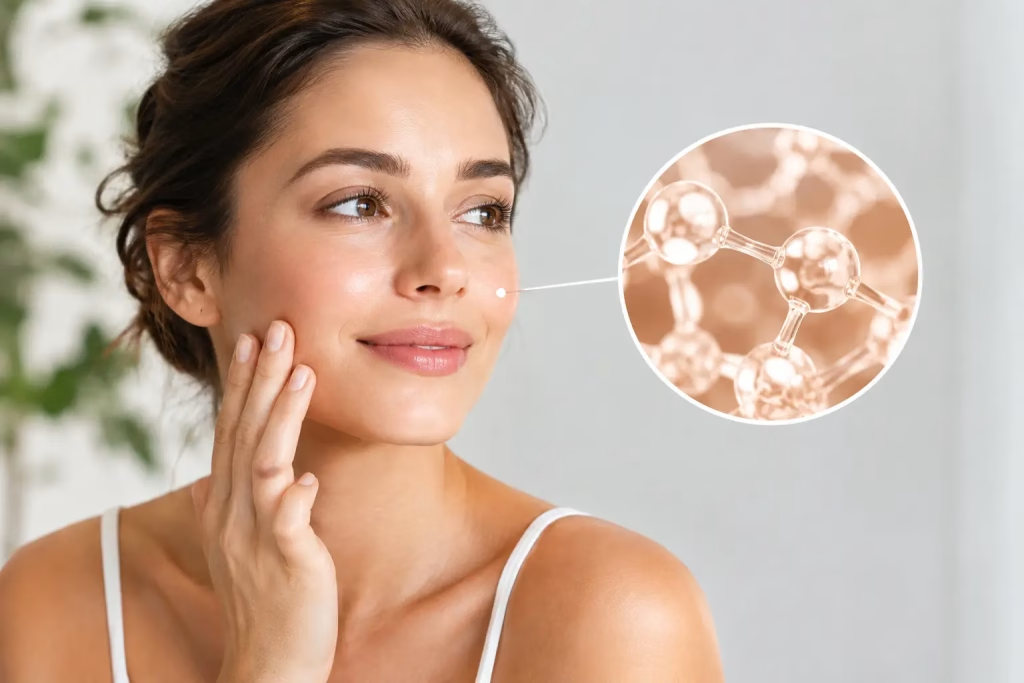
Collagen is the structural protein that gives skin much of its firmness, resilience, and smooth appearance. It is produced primarily by fibroblasts, the cells within the dermis, or deeper layer of the skin. When collagen fibers are plentiful and well organized, skin tends to look bouncy, refined, and supported.
Your body does regenerate collagen naturally. Small injuries, inflammation, hormonal changes, and normal cell turnover all prompt ongoing remodeling. However, collagen regeneration becomes less efficient over time. Starting in early adulthood, collagen production gradually slows, while existing fibers can become fragmented and less orderly.
This does not mean that visible skin changes are inevitable or beyond improvement. It means expectations should be grounded in biology. Topical skincare can support the skin barrier and encourage surface renewal, while professionally selected aesthetic treatments can create controlled stimulation in the skin to encourage a more meaningful remodeling response.
Why Collagen Declines Before Skin Looks Older
Chronological aging is only part of the picture. Sun exposure is among the most significant external causes of collagen degradation. Ultraviolet radiation creates oxidative stress and activates enzymes that break down collagen fibers. In a sunny climate, everyday incidental exposure, including commutes, outdoor lunches, and time near windows, can be consequential over the years.
Smoking, air pollution, poor sleep, prolonged stress, and diets consistently low in protein or essential nutrients may also affect skin quality. Rapid weight changes can further alter how supported the skin looks, particularly around the cheeks, jawline, neck, and body.
Genetics matter too. Some people maintain naturally thicker, firmer-looking skin for longer, while others notice laxity, enlarged pores, or fine lines earlier. A personalized approach respects these differences rather than applying the same treatment to every concern.
Collagen Loss Is Not Always the Only Issue
Not every line or hollow is caused by reduced collagen alone. Dynamic wrinkles form through repeated facial movement. Volume loss may result from changes in fat compartments and bone structure. Pigmentation can make the complexion appear less even, while dehydration may temporarily make fine lines look more pronounced.
This distinction matters because the most effective treatment is based on what is actually changing beneath the surface. Collagen-stimulating treatments can improve texture, firmness, scars, and fine lines, but they may not be the sole answer for deep folds, significant volume loss, or muscle-driven wrinkles.
How Long Does Collagen Regeneration Take?
Collagen remodeling is gradual. After a collagen-stimulating procedure, the early healing response begins promptly, but new collagen formation and reorganization unfold over weeks to months. Many patients start to notice improvements in radiance or texture first, followed by a more refined, firmer appearance as remodeling continues.
The exact timeline depends on the treatment, the intensity used, your age, your baseline skin condition, and how consistently you protect your skin afterward. Treatments that target deeper tissue layers may deliver results over several months. Others, especially those designed to address scars and pores through a series of sessions, build improvement progressively.
Patience is part of a polished result. An overly aggressive approach is not necessarily better, particularly when skin sensitivity, pigmentation risk, or lifestyle demands need to be considered. The goal is visible renewal that still looks like you – rested, refined, and naturally well cared for.
Treatments That Can Support Collagen Remodeling
At a medical aesthetics clinic, treatments are selected according to the concern, skin type, desired outcome, and available downtime. They do not replace your body’s own collagen. Rather, they work by creating signals that encourage the skin’s repair and remodeling processes.
Energy-Based Skin Tightening
Radiofrequency treatments such as Thermage deliver controlled heat to deeper skin layers, supporting collagen remodeling for a firmer, more lifted appearance. It is often considered for mild to moderate laxity around the face, eyes, jawline, neck, and body, with little to no social downtime.
Ultrasound-based lifting treatments such as Ultherapy can target foundational layers of tissue at precise depths. This may suit patients who are beginning to see softening along the lower face or neck and prefer a non-surgical approach. Results are gradual, which can be appealing for those who want change to appear understated rather than abrupt.
Neither treatment creates the immediate degree of lift associated with surgery. For appropriate candidates, however, they can be valuable options for supporting skin quality and contour over time.
Microneedling Radiofrequency for Texture and Scars
For concerns such as acne scars, enlarged pores, fine lines, and uneven texture, microneedling radiofrequency treatments such as Sylfirm X can be particularly relevant. The treatment combines fine needles with radiofrequency energy, delivering controlled stimulation at selected depths while helping to preserve the surrounding skin.
A series is often recommended because scars and textural concerns rarely respond fully to a single session. This is also where an experienced assessment matters. Different scar types, including rolling, boxcar, and ice-pick scars, may require different strategies, sometimes in combination with other procedures.
Laser Treatments and Skin Quality
Certain laser treatments can support skin renewal and improve concerns that make collagen loss more visible, including pigmentation, uneven tone, and textural irregularities. Pico Laser treatments, for example, may be included in a broader plan when discoloration and overall clarity are part of the concern.
Laser selection should be thoughtful, especially for skin prone to post-inflammatory hyperpigmentation. The right settings, treatment intervals, and post-treatment care are essential. A refined outcome is not simply about using a powerful device. It is about using the appropriate technology with precision.
Injectable Treatments in a Balanced Plan
Skin boosters can improve hydration and skin quality, helping fine lines appear softer and the complexion look more luminous. Biostimulating injectables may be considered in selected cases to encourage collagen production gradually. Neuromodulators can soften expression-related lines, while dermal fillers may restore support where structural volume loss is a primary issue.
These options address different mechanisms, which is why they are sometimes complementary rather than interchangeable. A consultation should consider the whole face, not just the line or area that first draws your attention.
What You Can Do Between Treatments
Professional treatments are most effective when paired with thoughtful daily care. Broad-spectrum sunscreen is non-negotiable for protecting existing collagen and preserving treatment results. A well-formulated retinoid, when suitable for your skin, can support cellular turnover and collagen-related pathways over time.
Adequate protein intake, regular sleep, hydration, and avoiding smoking can also support the conditions your skin needs to repair itself well. Collagen supplements may be helpful for some people, but they are not a substitute for sun protection, clinical treatment, or a consistent skincare routine. Their benefits tend to be subtle and vary between individuals.
Avoid assuming that stronger is always better. Over-exfoliation, frequent irritation, and using multiple active products without guidance can compromise the skin barrier and leave the complexion looking more reactive, rather than more radiant.
When to Seek Personalized Advice
If you are noticing early laxity, fine lines, uneven texture, acne scarring, or a loss of skin luminosity, an aesthetic consultation can help clarify which changes are collagen-related and which require another approach. Your clinician should assess skin thickness, pigment history, facial anatomy, medical history, and your preferences around downtime and treatment pace.
At Kelly Oriental Aesthetic Clinic, this type of assessment allows a treatment journey to be tailored with intention, whether your priority is firmer skin, smoother texture, clearer tone, or a more refreshed facial contour.
Collagen can regenerate, but it responds best to consistency, thoughtful stimulation, and realistic timing. The most elegant results are often built quietly: one considered decision, one well-chosen treatment, and one protected day in the sun at a time.
