

Uncategorized
How to Prevent Filler Bruising Before and After
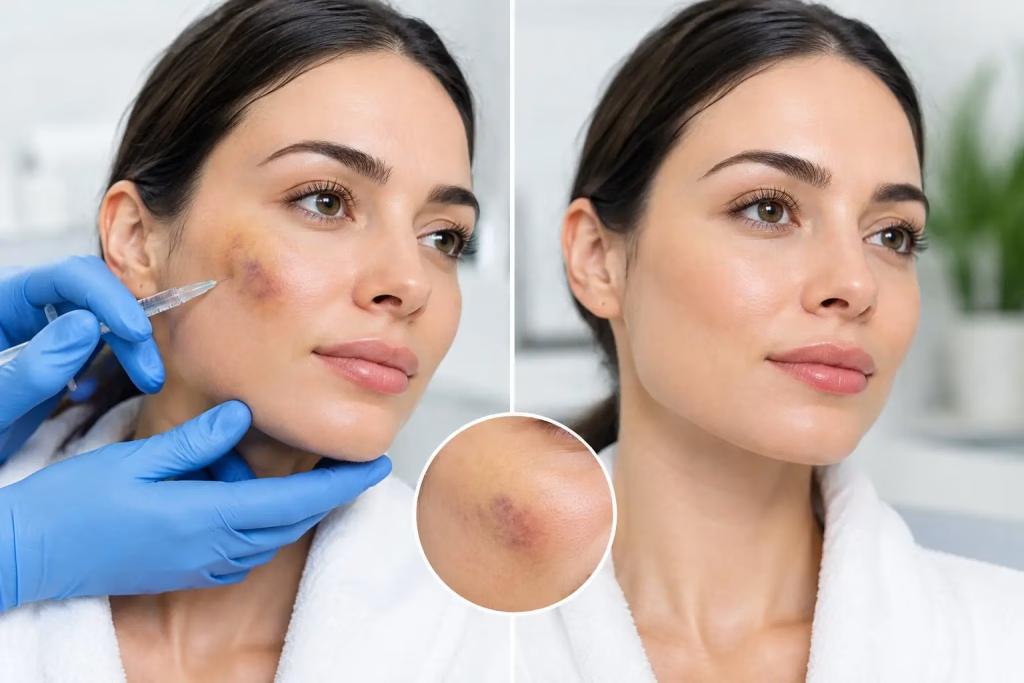
A beautifully placed dermal filler treatment should feel like a confidence-enhancing refinement, not a reason to cancel your plans. Knowing how to prevent filler bruising begins with realistic expectations: bruising is a common, temporary response to an injection, particularly in highly vascular areas such as the lips, tear troughs, and around the nose. While no practitioner can promise zero bruising, considered preparation, refined injection technique, and attentive aftercare can significantly reduce the likelihood and visibility of it.
For patients who value discretion and polished results, the best approach starts well before the appointment. Your medical history, skincare routine, medications, and social calendar all play a role in creating a smoother recovery.
Why bruising can happen after dermal filler
Bruising occurs when a needle or cannula disturbs a small blood vessel beneath the skin, allowing a small amount of blood to collect in the surrounding tissue. The face has a dense network of vessels, so even an expertly performed injection may occasionally result in a small bruise.
Your individual tendency to bruise matters as much as the treatment area. Skin that is thinner or more delicate, a history of easy bruising, certain health conditions, and medications or supplements that affect clotting can all increase the chance of discoloration. Lip filler, for example, often carries a higher bruising risk because the lips are richly supplied with blood vessels and are frequently mobile.
The good news is that most bruising is mild and resolves naturally. It may appear red, purple, or blue at first, then fade through green or yellow tones over several days. A skilled aesthetic clinician plans around facial anatomy, selects the appropriate instrument and technique, and treats conservatively where appropriate. These choices matter, but they cannot eliminate biology altogether.
How to prevent filler bruising before your appointment
The most effective preparation is personalized. At your consultation, be candid about every prescription medication, over-the-counter product, vitamin, herbal supplement, and previous reaction to injectable treatments. Your clinician needs the complete picture to make informed recommendations for your safety.
Some substances can increase bruising by affecting platelets or blood clotting. These may include aspirin, ibuprofen and other anti-inflammatory medications, fish oil, vitamin E, ginkgo, garlic supplements, turmeric supplements, and alcohol. Never stop, start, or alter prescribed medication solely for an aesthetic appointment. If you take a blood thinner or antiplatelet medication for a medical condition, speak with the doctor who prescribed it and your aesthetic clinician first. Your health always takes priority over a minor, temporary bruise.
If your clinicians agree that adjustments are appropriate, they will advise you on timing based on your individual treatment plan. Avoid making assumptions based on a friend’s experience or generic advice online. Even seemingly harmless supplements can be relevant, especially when several are taken together.
It is also wise to schedule thoughtfully. If you have a wedding, a professional presentation, holiday photos, or another event where you want to look fully settled, book your treatment at least two weeks beforehand when possible. Many people recover much faster, but this window allows for the small possibility of bruising, swelling, tenderness, or a need for a review appointment.
In the 24 to 48 hours before treatment, avoid alcohol if your clinician recommends it. Alcohol can dilate blood vessels and may make bruising more likely. Arrive well hydrated, well rested, and having eaten a normal meal unless you have been given different medical instructions. Skipping meals can leave some patients feeling lightheaded and does not improve results.
Choose technique and expertise over shortcuts
The injector’s training, anatomical knowledge, and judgment are central to a considered filler experience. An experienced medical professional assesses your facial structure, skin quality, treatment goals, and risk factors before deciding whether filler is suitable and which technique best serves the area.
Needles and blunt-tip cannulas each have a role in injectable treatment. A cannula may reduce the chance of puncturing certain vessels in selected areas because it glides through tissue differently than a needle. However, it is not automatically the right choice for every patient or every facial zone. The best instrument is the one your clinician can use precisely and safely for your anatomy and aesthetic plan.
Equally, more filler is not necessarily better. A bespoke approach with carefully placed product supports elegant, balanced results and helps avoid unnecessary manipulation of the tissue. At Kelly Oriental Aesthetic Clinic, doctor-led consultation is designed to place safety, proportionality, and your individual facial harmony at the center of every treatment decision.
Gentle aftercare can limit bruising and swelling
Once your treatment is complete, follow the aftercare instructions provided by your clinician rather than relying on a one-size-fits-all routine. In many cases, a clean cool compress applied lightly and intermittently on the day of treatment can help reduce early swelling and discomfort. Do not press hard, rub, or massage the treated area unless your injector has specifically instructed you to do so.
For the first day or two, be gentle with your face. Avoid intense exercise, hot yoga, saunas, steam rooms, and very hot showers if these have been listed in your aftercare plan. Increased heat and circulation may worsen redness, swelling, or the appearance of bruising for some people. Avoid alcohol during this immediate recovery period as advised.
Try to sleep with your head slightly elevated on the first night if you are prone to swelling. Keep your skincare uncomplicated: cleanse gently, avoid vigorous facial massage, and pause active products near injection sites if your clinician recommends it. Makeup can often be worn after a suitable interval, provided injection points are closed and clean, but use clean brushes or applicators and apply with a light hand.
Resist the urge to check, touch, and compare the area repeatedly. Filler can look temporarily uneven while swelling settles, especially in mobile areas such as the lips. Excess handling will not improve the result and may irritate sensitive tissue.
What may help a bruise fade
If bruising does occur, patience is usually the most effective remedy. A cool compress may be useful in the early phase, while your clinician may later recommend a different approach depending on the location and appearance of the bruise. Do not apply heat immediately after treatment unless you have been advised to do so.
Some patients ask about arnica creams, tablets, or bromelain supplements. Evidence for these options is mixed, and natural does not always mean suitable. Supplements can interact with medications or affect bleeding risk, so ask your clinician before using them. A color-correcting concealer can offer a discreet cosmetic solution once the skin is intact and makeup is permitted. Peach or orange tones can help offset blue-purple discoloration, while a gentle, fragrance-free concealer can be layered on top.
A bruise that changes color as it fades is usually following a normal course. Most small bruises improve within several days to two weeks, although healing time varies with the individual, the area treated, and the extent of the bruise.
When to contact your injector promptly
Bruising alone is generally expected and not usually a cause for alarm. However, a responsible treatment journey includes knowing when to seek help. Contact your injector urgently if you develop severe or worsening pain, unusual blanching or dusky discoloration of the skin, a mottled pattern, marked swelling, a cold sensation in the area, visual changes, or any symptom that feels concerning to you.
These symptoms are uncommon, but they require prompt professional assessment. Do not attempt to massage aggressively, use unapproved devices, or wait for an online remedy if something feels distinctly different from ordinary tenderness or bruising. A reputable clinic should provide clear aftercare instructions and an avenue for timely support.
Plan for a refined recovery
The most polished injectable results are not rushed. Give yourself a comfortable buffer before important occasions, disclose your medical history fully, and choose a clinician who treats every injection as a medical procedure as well as an aesthetic one. A little preparation allows you to enjoy the subtle enhancement you came for, with the discretion and reassurance that thoughtful care provides.
