

Uncategorized
Pico Laser Review: Is It Worth It?
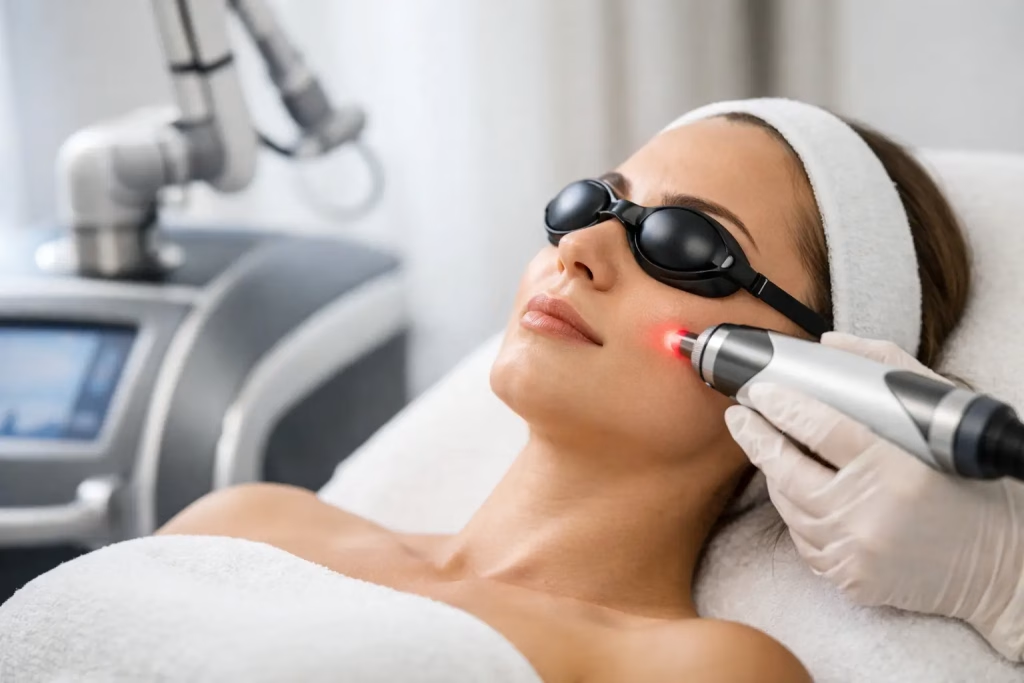
If you are considering laser treatment for pigmentation, acne scars, pores, or overall skin refinement, a thoughtful pico laser review matters more than glossy before-and-after photos. Pico laser is often presented as the elegant answer to multiple skin concerns at once, but the real question is simpler: does it deliver visible improvement in a way that feels worth your time, budget, and recovery?
The short answer is yes, for the right concern and the right patient. Pico laser can be an excellent choice for people who want measurable skin improvement with relatively little downtime. It is especially appealing to busy professionals and image-conscious patients who want results that look polished rather than overdone. Still, it is not magic, and it is not the best fit for every skin issue.
What makes pico laser different
Pico laser works by delivering ultra-short pulses of energy into the skin. Those pulses are measured in picoseconds, which are far shorter than traditional nanosecond lasers. In practical terms, that speed allows the laser to target pigment and stimulate skin renewal with less heat spreading into surrounding tissue.
Why does that matter? Less unwanted heat can mean a lower risk of prolonged redness and post-inflammatory pigmentation, particularly in skin tones that are more reactive. It also means treatment can be used in a refined, controlled way for concerns such as sunspots, melasma, post-acne marks, uneven tone, enlarged pores, mild textural irregularities, and certain tattoo colors.
This is where many patients become interested. Pico laser sits at the intersection of correction and maintenance. It can treat visible concerns, but it can also support a brighter, smoother, more even complexion over time.
Pico laser review for common skin concerns
A realistic pico laser review should separate what the treatment does very well from what it improves only modestly.
For pigmentation, pico laser is often one of the strongest options in a modern aesthetic clinic. Sunspots, freckles, and acne marks tend to respond well, particularly when the discoloration sits closer to the surface. Patients often notice that their skin looks clearer and fresher after a series, with a more even tone and less dullness.
For melasma, the answer is more nuanced. Pico laser can help, but melasma is a chronic, hormonally and environmentally triggered condition. It often requires a broader strategy that includes sun protection, medical-grade skincare, and carefully timed sessions. If a clinic suggests pico laser as a one-time cure for melasma, that is a red flag.
For acne scars, pico laser can be impressive, especially with specialized modes designed to stimulate collagen remodeling. Shallow boxcar scars, post-acne texture, and enlarged pores may soften over time. Deep tethered scars, however, usually need combination treatment. Subcision, radiofrequency microneedling, or other resurfacing approaches may be more appropriate depending on scar type.
For general skin rejuvenation, pico laser tends to create a refined result rather than a dramatic one. Think brighter tone, smoother texture, smaller-looking pores, and a more rested appearance. If your goal is skin that looks expensive, healthy, and quietly maintained, this is where pico laser shines.
What treatment feels like
Most patients want a straightforward answer here. Pico laser is tolerable, but it is not completely sensation-free. The feeling is often described as quick snapping or tiny pinpricks against the skin. Some areas, especially around the forehead or upper lip, can feel sharper than others.
Topical numbing may be used depending on the treatment settings and the area being treated. Sessions are usually fairly quick, which makes the discomfort manageable for most people. Afterward, the skin may look pink or mildly flushed, similar to a light sun exposure. Some targeted pigment spots can darken temporarily before they flake or fade.
This is one reason pico laser appeals to patients with full schedules. In many cases, downtime is light enough that normal activities can resume quickly, provided you are diligent with sun protection and follow aftercare properly.
Results timeline: fast, but not instant
One of the more honest parts of any pico laser review is this: results often come in layers. A brighter glow may appear relatively soon, sometimes within days. Pigmented spots can look darker before they improve. Texture and pores usually change more gradually as collagen remodeling takes place.
For mild discoloration, you may notice visible improvement after one session. For acne marks, deeper pigmentation, or textural concerns, a series is usually needed. Many patients are advised to expect three to six sessions, spaced several weeks apart, although this depends on diagnosis, energy settings, and treatment goals.
That makes pico laser a strong option for people who appreciate cumulative refinement. It is less suitable for someone hoping for a single dramatic transformation before a major event next week.
Who is a good candidate
Pico laser tends to suit patients who want meaningful improvement without extended downtime. It is attractive for men and women who prefer non-surgical options and want skin that looks healthier, clearer, and better maintained rather than obviously treated.
It can be especially suitable for:
- uneven pigmentation and sun damage
- acne marks and selected acne scars
- dullness and rough texture
- enlarged pores
- tattoo removal in some cases
That said, suitability depends on more than the concern itself. Skin tone, sensitivity, history of melasma, recent sun exposure, active acne, medications, and even how disciplined you are with aftercare all matter. In a premium clinical setting, this is where physician assessment becomes important. The best outcomes come from matching the treatment to the biology of your skin, not just to a trend.
When pico laser may not be the best choice
A balanced pico laser review should also be clear about limitations. If you have significant skin laxity, pico laser will not replace a lifting treatment. If your acne scars are deep and fibrotic, laser alone may not be enough. If your primary issue is facial redness from vascular conditions, a different laser category may be more relevant.
There is also the matter of expectations. Pico laser improves, but it does not erase. Skin can become more even, more luminous, and smoother, yet still remain real skin with pores, movement, and texture. The most satisfied patients tend to be those who want polished progress rather than perfection.
Is pico laser worth the cost?
This is often the deciding factor. Pico laser is generally positioned as a premium treatment, and pricing reflects the technology, practitioner skill, and level of customization. Whether it is worth the investment depends on two things: the accuracy of the treatment plan and the value you place on lower downtime.
For someone trying to treat stubborn pigmentation with over-the-counter products for months, pico laser may feel very worthwhile because it shortens the path to visible change. For someone with concerns better suited to another device, it can be an expensive detour.
A high-quality clinic should explain not only the benefits of pico laser, but also why it is being recommended instead of another option. That level of clinical honesty is often what separates a luxury experience from a merely expensive one.
What to look for in a clinic
Technology matters, but judgment matters more. A good provider will assess your skin thoroughly, discuss whether your concern is pigment, vascular, textural, or structural, and explain how many sessions may be realistic. They should also speak openly about maintenance, recurrence, and the role of skincare.
This is particularly important for patients with melasma, post-acne pigmentation, or medium-to-deeper skin tones, where overtreatment can create setbacks. In a doctor-led environment such as Kelly Oriental Aesthetic Clinic, that personalized planning is part of the value. The treatment should feel tailored, not templated.
Final verdict in this pico laser review
Pico laser is one of the more versatile and sophisticated treatments available for pigmentation, mild textural concerns, pores, and overall skin refinement. Its appeal lies in the combination of precision, relatively light downtime, and elegant-looking results. For the right candidate, it can absolutely be worth it.
The key is to see it for what it is: not a miracle, not a shortcut, but a highly effective tool within a carefully designed skin plan. If your goal is clearer, brighter, more even skin that looks quietly well cared for, pico laser deserves serious consideration. The best next step is not to chase the strongest promise, but to choose the most precise one for your skin.
