

Uncategorized
Sylfirm X for Rosacea: Is It Worth It?
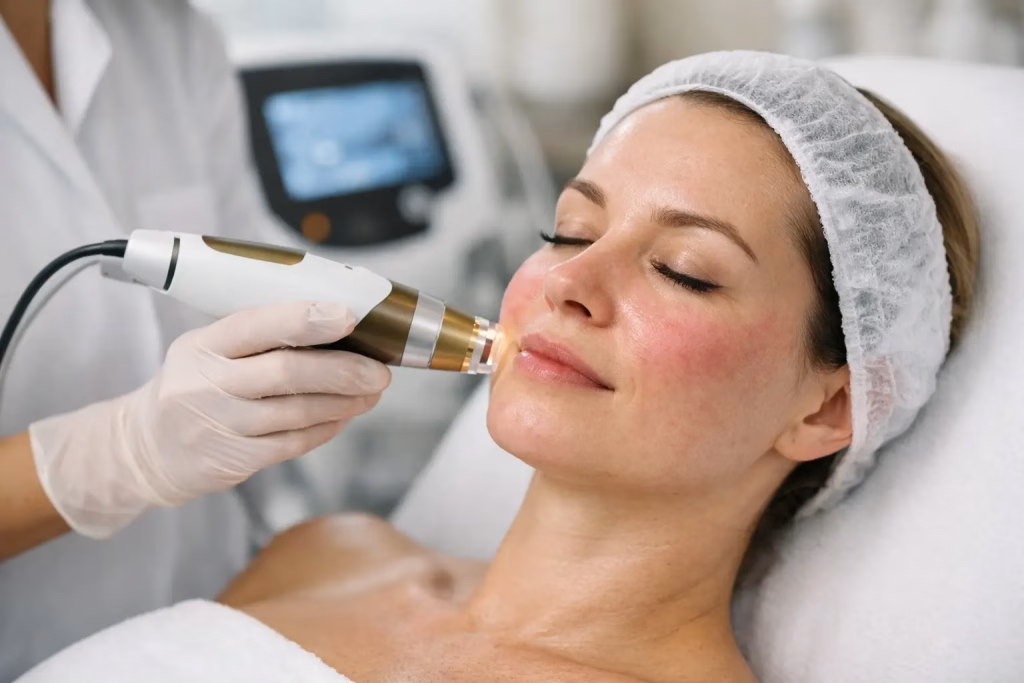
Rosacea rarely behaves the same way twice. Some days it looks like a light flush. On others, the redness lingers, capillaries show more clearly, and even heat, stress, or skincare can tip skin into another flare. That is why interest in Sylfirm X for rosacea has grown so quickly – it offers a more targeted way to address visible redness without relying on harsh resurfacing or prolonged recovery.
Why sylfirm x for rosacea gets attention
Rosacea is not simply a cosmetic concern. It is a chronic inflammatory skin condition with different patterns, triggers, and levels of sensitivity. For some people, the main issue is diffuse redness. For others, it is visible blood vessels, skin reactivity, warmth, or a rougher, more irritated texture.
Treating rosacea well requires restraint as much as technology. Skin that is already reactive does not always respond kindly to aggressive energy treatments. This is where Sylfirm X stands apart. It uses radiofrequency microneedling with pulsed wave and continuous wave modes, allowing practitioners to treat vascular and inflammatory concerns with more precision than many traditional approaches.
In practical terms, that means the treatment can help calm redness and improve the appearance of superficial vessels while supporting overall skin quality. It is not a cure for rosacea, and no reputable clinic should frame it that way. What it can do, in the right candidate and the right hands, is make the skin look less persistently flushed and feel less cosmetically difficult to manage.
How Sylfirm X works on rosacea-prone skin
Sylfirm X delivers energy through ultrafine needles into controlled depths of the skin. Unlike treatments that broadly heat the skin surface, this approach is designed to act more selectively below the surface. That distinction matters for rosacea patients, because excessive superficial heat can sometimes aggravate redness instead of helping it.
One of the reasons Sylfirm X for rosacea is so often discussed is its pulsed wave mode, which is associated with targeting abnormal blood vessels and inflammatory pathways. When visible redness is driven in part by fragile, overactive vascular structures, a treatment that can address that network more precisely may offer a meaningful cosmetic benefit.
There is also a secondary advantage. Many people with rosacea are not only concerned about redness. They may also notice enlarged pores, early textural changes, or a general loss of skin refinement because they have had to keep their routines extremely basic. Radiofrequency microneedling can support collagen remodeling, so the treatment may improve texture at the same time. That combination is appealing, especially for patients who want a more comprehensive skin-rejuvenation plan rather than chasing one concern at a time.
What concerns Sylfirm X can help improve
Sylfirm X is best understood as a treatment that may improve the visible signs commonly associated with rosacea, rather than eliminate the condition itself. Patients often consider it when they are dealing with persistent background redness, visible capillaries, post-flare sensitivity, and skin that looks chronically inflamed even when breakouts are not severe.
Results can vary depending on the subtype of rosacea. If the main concern is diffuse redness and superficial vascular activity, treatment may be especially worthwhile. If flushing is severe and strongly triggered by heat, exercise, alcohol, or emotional stress, improvement is still possible, but expectations should be more measured. Trigger management still matters.
For individuals with active papules and pustules, Sylfirm X may be part of a broader plan, but it is not always the first or only step. Some patients need inflammation controlled first with medical-grade skincare or prescription support before energy-based treatment is introduced. That is why a personalized consultation matters. Rosacea can look straightforward from a distance and be more layered on closer examination.
What a treatment course usually looks like
Most patients do not see their best result after a single session. A series is usually recommended, often spaced several weeks apart, depending on skin severity, sensitivity, and the degree of vascular involvement. Improvements tend to build gradually as the skin settles and remodels.
During treatment, a topical numbing cream is typically applied first. The session itself is generally well tolerated, with sensations of heat and pressure rather than sharp pain. Immediately afterward, the skin may appear pink or mildly red, which can feel ironic for a rosacea treatment, but this short-term response is expected. In many cases, downtime is relatively light compared with more aggressive resurfacing procedures.
That said, “minimal downtime” does not mean “no recovery considerations.” If your skin is exceptionally reactive, even controlled treatment can produce temporary warmth, swelling, or a sandpapery texture for a few days. Social downtime is often modest, but timing still matters if you have an event, travel plans, or a history of unpredictable flushing.
Is Sylfirm X better than laser for rosacea?
This is where nuance matters. Some vascular lasers are excellent for visible blood vessels and redness, and for certain patients they may be the more direct option. But not every rosacea patient is a straightforward laser candidate, especially if the skin barrier is compromised or the skin tends to flare with heat.
Sylfirm X occupies an interesting middle ground. It offers vascular-focused benefits while also improving skin texture and resilience. For someone who wants both redness management and overall rejuvenation, it can be a compelling option. For someone whose main issue is a cluster of very obvious broken capillaries, another device may sometimes be recommended instead, or used as part of a combination plan.
The best treatment is rarely decided by trend or popularity. It depends on whether your redness is diffuse or vessel-based, whether your skin is sensitive or resilient, and whether you want a single-focus treatment or a more complete skin-quality approach.
Who is a good candidate for sylfirm x for rosacea
A good candidate is usually someone with mild to moderate rosacea-related redness, visible vessels, or chronic flushing who wants improvement with a relatively elegant recovery. It may also suit patients who are looking for dual benefits – redness reduction plus smoother, firmer, more refined skin.
The treatment tends to be most successful when patients understand that rosacea is ongoing. Even excellent results may need maintenance, and daily habits still play a role. Sun exposure, alcohol, spicy food, overheating, friction, and harsh actives can all continue to influence the skin.
It may not be ideal for everyone at every moment. Very inflamed skin, active infection, certain medical conditions, pregnancy, or recent use of treatments that have already stressed the skin may mean postponing or choosing another approach. A responsible provider will assess not just whether the device can be used, but whether it should be used now.
What to ask before booking
If you are considering treatment, the quality of assessment is as important as the device itself. Ask how your rosacea type affects treatment planning, whether the settings are adjusted for reactive skin, how many sessions are typically needed, and what kind of maintenance may be required afterward.
It is also wise to ask what your provider would do if your skin flares easily. A thoughtful clinic should be able to explain pre-care, post-care, and how they reduce the risk of overstimulation. Premium aesthetic care is not simply about having advanced technology on site. It is about knowing when to treat conservatively, when to combine therapies, and when to say no to a plan that sounds attractive but is not right for your skin.
At a doctor-led clinic such as Kelly Oriental Aesthetic Clinic, that level of customization is part of the value. Rosacea-prone skin benefits from careful calibration, not a standardized protocol.
What results feel realistic
The most satisfying outcomes are usually not dramatic overnight transformations. They are quieter than that. Skin looks less constantly flushed. Makeup sits better. Triggers feel slightly less punishing. The mirror stops showing redness before you have even started your day.
Some patients notice visible improvement after the first session, while others need multiple treatments before the skin appears meaningfully calmer. Maintenance sessions may be suggested, especially if rosacea has been longstanding or triggers are difficult to avoid.
A realistic goal is better control over the appearance of redness and improved skin quality, not permanent freedom from rosacea. Framed that way, Sylfirm X can be a very worthwhile treatment for the right patient.
If your skin has reached the point where every flare feels like a negotiation, the next step is not guessing which treatment is fashionable. It is choosing a plan that respects both the biology of rosacea and the standard of results you want to see in the mirror.
