
Uncategorized
Hydrafacial for Glowing Skin: Is It Worth It?
The difference between skin that looks polished and skin that merely looks clean often comes down to hydration. You can exfoliate diligently, invest in high-quality skincare, and still find your complexion looking flat by midweek. That is why hydrafacial for glowing skin has become such a sought-after treatment – it addresses congestion, dehydration, and texture in one appointment, while giving skin the fresh, refined finish many people want before an event, after travel, or as part of a long-term maintenance routine.
For busy professionals and image-conscious clients, that appeal is easy to understand. The treatment is gentle enough for many skin types, requires little to no downtime, and offers a level of immediate radiance that is difficult to replicate at home. Still, not every glow is created equal, and the real value of Hydrafacial lies in how thoughtfully it is chosen and customized.
What makes Hydrafacial for glowing skin different?
Many facials feel relaxing. Fewer are designed with a clinical methodology behind them. Hydrafacial stands apart because it combines cleansing, exfoliation, extraction, hydration, and serum infusion in a structured, device-assisted treatment rather than relying purely on manual techniques.
At its core, the treatment uses a vortex-style delivery system to remove impurities while simultaneously replenishing the skin with targeted solutions. That matters because aggressive extractions can leave skin irritated, while rich hydrating products layered onto congested skin may not penetrate effectively. Hydrafacial is designed to do both jobs at once – clear what is sitting on the surface and within pores, then deliver ingredients that support a smoother, more luminous complexion.
For patients seeking glow, this balance is key. Radiance is not simply about exfoliating more. In fact, over-exfoliation can leave the skin barrier stressed, red, and paradoxically dull. Healthy glow usually comes from skin that is clean, evenly hydrated, and calm enough to reflect light well.
How the treatment creates visible radiance
A true glow is usually the result of several small improvements happening together. Hydrafacial supports this by addressing the common reasons skin loses brightness.
The first is buildup. Dead skin cells, excess oil, and environmental debris can create a rough, tired-looking surface. Gentle exfoliation helps reveal fresher skin and improves overall clarity. The second is congestion. When pores are clogged, skin often appears uneven and lacks refinement. By clearing debris with less trauma than traditional manual extraction, the treatment can make the complexion look cleaner and more balanced.
The third is dehydration, which is often underestimated. Even oily skin can be dehydrated, especially in air-conditioned environments, after travel, or when active skincare is overused. Proper hydration helps the skin appear plumper, smoother, and more reflective. Finally, targeted serums can support specific concerns such as dullness, enlarged pores, or fine lines, which all influence how radiant the skin appears in natural light.
This is why many people leave a well-performed Hydrafacial looking rested rather than obviously treated. The finish is less about dramatic transformation in a single hour and more about skin looking refined, healthy, and expensive.
Who is Hydrafacial for glowing skin best suited for?
One of the reasons Hydrafacial remains popular is its versatility. It can suit first-time facial clients, regular aesthetic patients, and those who want visible results without committing to more intensive downtime. It is especially appealing for people dealing with dullness, mild congestion, uneven texture, enlarged pores, or dehydration.
It can also work well before social events because the skin often appears brighter shortly after treatment. That said, timing still matters. Even gentle treatments can occasionally cause temporary redness, particularly in reactive skin, so it is often wiser to schedule a few days ahead rather than on the same day as an important event.
There are, however, situations where expectations should be adjusted. If the primary concern is deep acne scarring, significant pigmentation, pronounced sagging, or advanced textural change, Hydrafacial may be a helpful supporting treatment rather than the main solution. In those cases, patients often benefit more from a broader treatment plan that may include energy-based devices, medical-grade skincare, injectables, or doctor-led procedures.
That does not diminish the value of Hydrafacial. It simply places it in the right category. It is excellent for maintenance, glow, and skin conditioning. It is not a replacement for every other aesthetic treatment.
What to expect during treatment
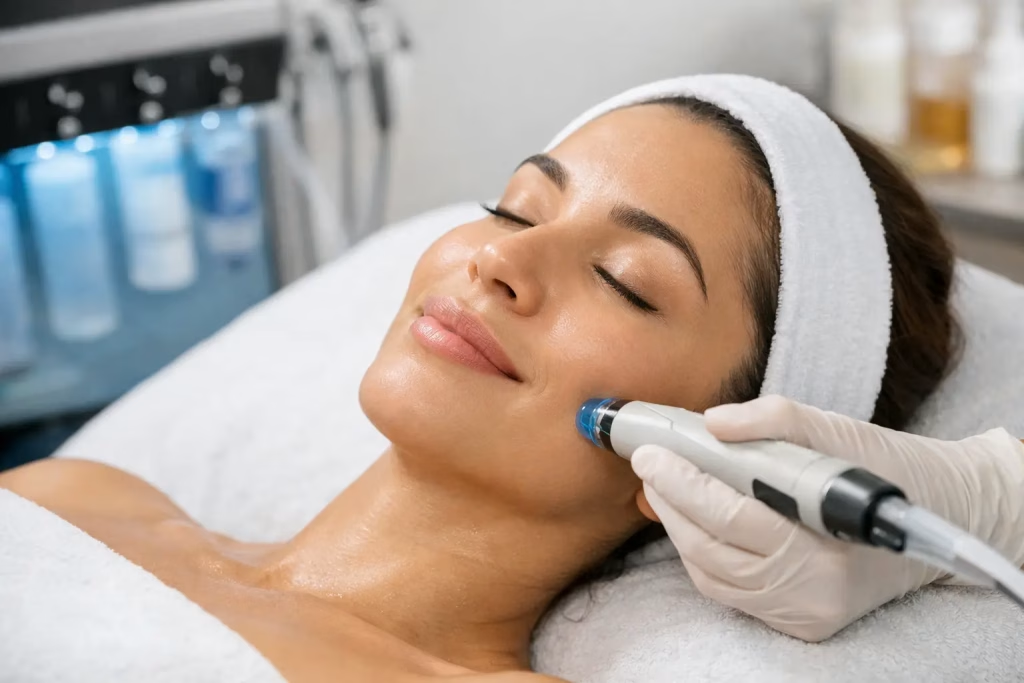
A Hydrafacial session is typically comfortable and methodical. The skin is first cleansed and exfoliated to remove surface buildup. This is followed by a painless suction-based extraction step, which helps clear pores without the squeezing and pressure many clients associate with traditional facials. Hydrating and treatment-specific serums are then infused into the skin.
The sensation is often described as cool, refreshing, and surprisingly satisfying, especially during the extraction phase. There is no harsh scraping and usually no need for significant recovery time. Afterward, skin often feels cleaner, softer, and better hydrated immediately.
In a premium clinical setting, the difference is not only the device itself but the judgment behind its use. Personalization matters. A patient with oily, congestion-prone skin should not be approached in exactly the same way as someone with sensitivity, dehydration, or early signs of aging. At a doctor-led aesthetic clinic such as Kelly Oriental Aesthetic Clinic, this tailored approach is part of what elevates a straightforward treatment into a more intentional skin journey.
How long do results last?
The visible glow from a Hydrafacial can appear immediately, which is part of its appeal. Skin often looks smoother and more hydrated for several days, and for some patients, that fresh appearance lasts longer with proper home care. But no facial, however sophisticated, stops your skin from producing oil, collecting debris, or responding to stress, hormones, and environment.
For that reason, results are best viewed as cumulative. An occasional treatment before a wedding, gala, or vacation can be worthwhile, but regular sessions generally provide the most consistent improvement in clarity and texture. The ideal frequency depends on your skin condition, goals, and the rest of your regimen. For some, monthly maintenance is appropriate. For others, spacing treatments further apart makes more sense.
This is where professional guidance matters. Too frequent treatment is not always better, and not every glowing-skin plan should revolve around facials alone.
Hydrafacial vs traditional facials
Traditional facials can be deeply relaxing and beneficial, especially when performed by experienced hands. They often emphasize massage, manual extraction, and topical masks. Hydrafacial takes a more technology-supported approach with a focus on consistent delivery, controlled exfoliation, and serum infusion.
For clients who want a spa-like ritual, a traditional facial may feel more indulgent. For those seeking predictable skin refinement with a clinical edge, Hydrafacial often feels more results-oriented. Neither is inherently superior in every situation. It depends on whether the priority is relaxation, immediate skin clarity, ongoing maintenance, or a blend of all three.
In a well-curated medispa environment, these worlds do not need to compete. The most compelling patient experience often combines medical credibility with a calming, elevated setting.
How to maintain your glow after Hydrafacial
After treatment, skin is often more receptive, which means good habits can extend the results and poor ones can undermine them quickly. Gentle cleansing, daily sun protection, and appropriate hydration are foundational. If your skincare routine is packed with strong acids, retinoids, and exfoliating scrubs, it may need refinement rather than more intensity.
Lifestyle also shows up on the skin faster than many expect. Long flights, poor sleep, alcohol, heat exposure, and chronic stress can all flatten the post-facial glow. On the other hand, consistency tends to reward you. Skin that is cared for steadily usually behaves better than skin that is only rescued before major events.
It is also worth thinking beyond one treatment. If dullness keeps returning alongside redness, recurring breakouts, pigmentation, or laxity, the issue may not be surface-level alone. That is when a more bespoke plan becomes valuable.
Is it worth it?
If your goal is brighter, cleaner, more hydrated skin without significant downtime, Hydrafacial is often worth serious consideration. It offers a polished result that suits modern schedules and can fit comfortably into a maintenance-focused aesthetic routine. It is especially attractive for patients who want visible improvement with minimal disruption to work, social plans, or travel.
The key is to choose it for the right reason. Hydrafacial excels at enhancing skin quality and radiance. It is less suited for concerns that require deeper remodeling or more intensive correction. When patients understand that distinction, satisfaction tends to be much higher.
Beautiful skin rarely comes from a single appointment. More often, it comes from making thoughtful choices consistently – choosing treatments that suit your skin, respecting the barrier, and investing in care that is both effective and intelligently personalized. Sometimes glow is not about doing more. It is about doing what your skin will actually respond to, and doing it well.
