

Uncategorized
Best Treatment for Rosacea: What Works
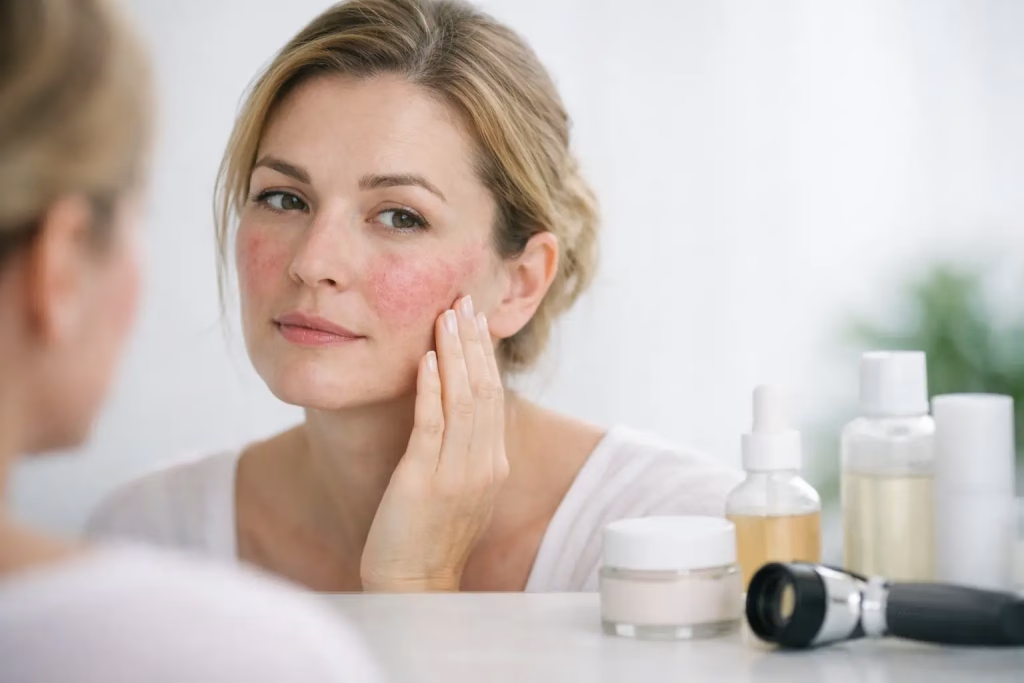
Rosacea rarely behaves the same way twice. One week, your skin looks calm enough to forget about it. The next, a glass of wine, a humid commute, or one active skincare product too many can leave your cheeks flushed, warm, and difficult to settle. That unpredictability is exactly why so many people ask about the best treatment for rosacea – and why the answer is never a single cream, device, or quick fix.
Rosacea is a chronic inflammatory skin condition, but it can present in very different ways. Some people mainly struggle with persistent redness and visible capillaries. Others experience acne-like bumps, stinging, heat sensitivity, or skin that feels dry and reactive no matter how much moisturizer they apply. In more advanced cases, the skin may gradually thicken. The most effective approach starts by identifying which type of rosacea is showing up on your skin, how severe it is, and what keeps triggering it.
What is the best treatment for rosacea?
The best treatment for rosacea is usually a personalized combination of trigger management, barrier-supportive skincare, and doctor-guided in-clinic treatment when redness or inflammation is more established. For mild cases, gentle topicals and lifestyle adjustments may be enough to reduce flare-ups. For persistent redness, visible blood vessels, or recurring inflammatory bumps, energy-based treatments and prescription support often deliver more meaningful improvement.
This is where nuance matters. Rosacea is often mistaken for sensitive skin, adult acne, sun damage, or even an allergic reaction. Treating it as the wrong condition can make it worse. Strong exfoliants, harsh acne products, and overuse of retinoids are common examples. A polished treatment plan is not about doing more. It is about doing the right things, in the right order, with a clear understanding of your skin’s threshold.
Why rosacea treatment depends on your symptoms
Not all redness is the same. If your main concern is background flushing across the cheeks and nose, the treatment pathway may look very different from someone dealing with red papules and pustules. Visible vessels may respond best to light- or laser-based treatments, while inflamed bumps may need anti-inflammatory topicals or oral medication first.
Skin sensitivity also changes the plan. A person with a compromised barrier may need to stabilize the skin before starting more advanced procedures. This step is easy to underestimate, especially for high-functioning professionals who want visible change quickly. But when rosacea-prone skin is pushed too hard, it often pushes back.
That is why a doctor-led consultation is valuable. It helps separate what is active inflammation from what is residual redness, what can be treated immediately, and what needs calming first.
The foundation of the best treatment for rosacea
Before any laser or device enters the picture, rosacea care starts with reducing irritation. Gentle cleansing, fragrance-free hydration, mineral sunscreen, and avoiding aggressive actives create the baseline that every other treatment depends on. If your skin barrier is unstable, even premium treatments can feel uncomfortable or produce less predictable results.
Trigger management is equally important. Common triggers include sun exposure, heat, alcohol, spicy food, stress, exercise, and unsuitable skincare. That does not mean every person must avoid the same things forever. It means noticing patterns and reducing the triggers that clearly worsen your skin.
This stage can feel understated, but it is often what turns treatment from temporary improvement into lasting control. Elegant results usually come from consistency, not intensity.
Topical and oral options for rosacea
For many patients, prescription skincare plays a useful role. Depending on the presentation, doctors may recommend topical agents that reduce inflammation, manage rosacea bumps, or help with persistent facial redness. In some cases, oral medication is used during flares, especially when papules and pustules are more active.
These treatments can be effective, but they have limits. Topicals often help calm inflammatory symptoms, yet they may do less for longstanding visible capillaries or diffuse redness that has become part of the skin’s baseline appearance. Oral medication can reduce activity, but it is usually not the whole answer for people seeking a clearer, more even complexion over time.
There is also the practical side. Some patients prefer to avoid relying on long-term medication if a procedural approach can help reduce redness more efficiently. Others benefit from a combination strategy, where skincare and prescriptions control inflammation while in-clinic treatments target the vascular component.
Laser and device-based treatment for rosacea redness
When patients ask for the best treatment for rosacea because they are tired of constant flushing or visible facial vessels, lasers and energy-based treatments often become part of the conversation. These technologies are especially relevant when redness is persistent rather than occasional.
The goal is to target the vascular changes beneath the surface that contribute to visible redness. Certain laser and light treatments can help reduce diffuse redness and minimize broken capillaries, leading to a calmer and more refined appearance. Results are typically progressive rather than instant, and multiple sessions may be needed depending on severity.
Not every red face is ready for laser on day one. If the skin is actively inflamed, highly sensitized, or reacting to unsuitable skincare, the priority may be calming the skin first. This is one reason treatment sequencing matters. In a premium aesthetic setting, the best outcomes often come from a curated plan rather than a one-off session chosen in isolation.
At a doctor-led clinic such as Kelly Oriental Aesthetic Clinic, that planning process can include balancing vascular treatments with skin-calming support so improvement feels both visible and manageable.
Supportive facials and skin-calming treatments
Rosacea-prone skin often benefits from professional treatments designed to hydrate, reduce irritation, and support the skin barrier. This is not the same as a traditional facial focused on exfoliation or extraction. In fact, overly aggressive facials can provoke flare-ups.
Calming, medically guided treatments may help reduce discomfort, improve hydration, and prepare the skin for more targeted procedures later on. For some patients, this type of support makes a noticeable difference in how reactive the skin feels day to day. It can also improve tolerance to active treatment.
The trade-off is that supportive treatments may not dramatically remove visible vessels on their own. They are best viewed as part of a broader rosacea strategy – especially valuable for sensitive, dehydrated, or easily inflamed skin.
Skincare mistakes that make rosacea worse
People with rosacea are often trying very hard to fix their skin, which is why overcorrection is so common. Acid toners, grainy scrubs, peel pads, strong acne gels, and frequent product switching can all keep rosacea active. Even products marketed for glow or resurfacing may be too stimulating.
A more refined routine is usually a simpler one. A gentle cleanser, a barrier-repair moisturizer, and diligent sunscreen are often more helpful than a shelf full of high-performance actives. If brightening or anti-aging products are introduced, they should be chosen carefully and adjusted to your skin’s tolerance.
This is where professional guidance saves time. Rosacea can coexist with pigmentation, enlarged pores, fine lines, and breakouts, but trying to treat everything at once is rarely wise. The skin tends to respond better when priorities are staged.
How long does rosacea treatment take?
Rosacea management is usually measured in phases, not overnight transformations. Some people notice less stinging and flushing within a few weeks of changing their routine and avoiding triggers. Prescription treatment may improve inflammatory bumps within weeks as well. Laser-based improvement in redness often unfolds over a series of sessions and continues as the skin settles.
Maintenance matters because rosacea is chronic. Even after the skin looks significantly better, flare-ups can return if triggers build up or skincare becomes too aggressive. The encouraging part is that once you understand your pattern, control becomes far more realistic.
When to seek professional treatment
If redness is persistent, your skin burns easily, visible capillaries are becoming more obvious, or breakouts are not responding to acne treatment, it is worth getting assessed. Rosacea tends to be more manageable when treated early. Waiting until the skin is constantly reactive usually makes the process longer.
The best treatment for rosacea is one that respects both the medical reality of the condition and the aesthetic goal behind treatment. Most patients are not only looking for symptom control. They want skin that feels comfortable, looks even, and allows them to move through work, social events, and daily life with more confidence.
That is a reasonable goal. With the right diagnosis, a calm skincare foundation, and a tailored plan that may include prescription support and in-clinic technology, rosacea can be managed beautifully. The most reassuring place to start is not with the strongest product on the market, but with a treatment strategy designed around your skin, your triggers, and the way rosacea actually shows up for you.
