
Uncategorized
How LDM Facial Supports Healing After Treatment
Jul
A well-planned aesthetic treatment should not end when you leave the treatment room. The days that follow can shape how comfortable your skin feels and how confidently you return to your routine. Understanding how LDM facial supports healing helps clarify why this gentle, technology-led treatment is often considered when skin is temporarily reactive, dehydrated, or visibly flushed after selected procedures.
At Kelly Oriental Aesthetic Clinic, recovery is approached as part of a bespoke treatment journey, not an afterthought. LDM can be incorporated thoughtfully where appropriate to support skin comfort, hydration, and a calmer-looking complexion without adding unnecessary stress to already sensitized skin.
What Is an LDM Facial?
LDM, or Local Dynamic Micromassage, is an ultrasound-based skin treatment that uses rapidly alternating frequencies. Unlike treatments designed to create controlled injury or stimulate more intensive remodeling, an LDM facial is typically valued for its gentle, restorative character.
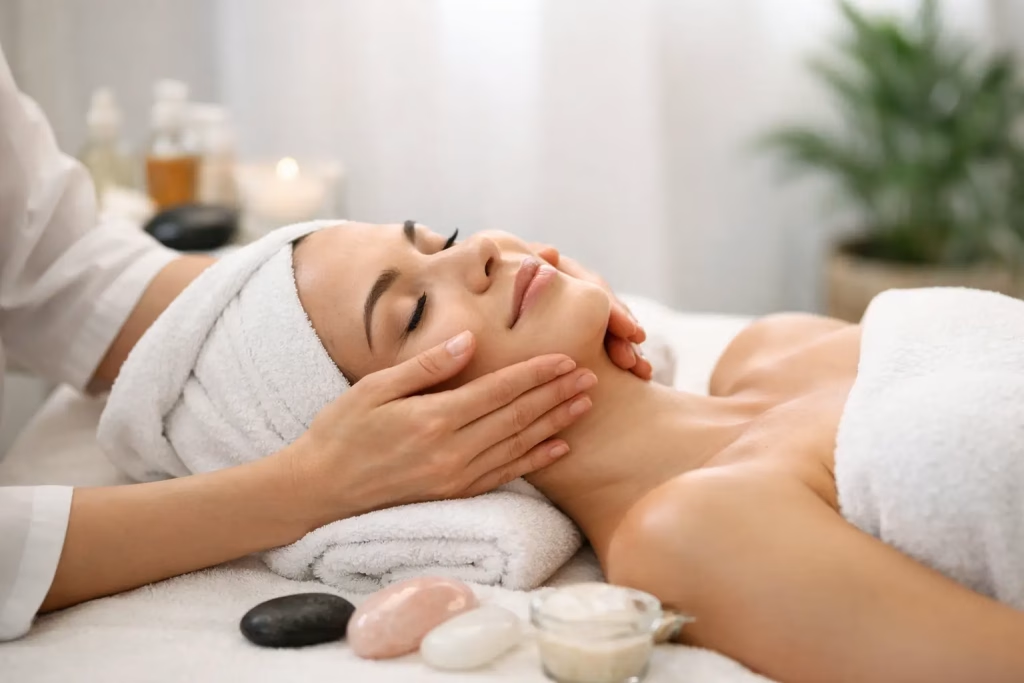
During the treatment, a trained therapist glides an ultrasound handpiece across the skin with a conductive gel. The experience is generally comfortable and relaxing, with no needles, peeling, or significant downtime. Treatment settings and duration should be selected according to your skin condition, recent procedures, and the goals set out during consultation.
The appeal lies in its ability to deliver a refined, low-disruption addition to a recovery-focused plan. For skin that feels tight after a procedure or looks temporarily red from environmental stress, the goal is not to force fast results. It is to create supportive conditions for skin to settle.
How LDM Facial Supports Healing and Recovery
“Healing” can mean different things in aesthetics. It may refer to the natural recovery period after a clinical procedure, the gradual return of a more even-looking complexion, or support for a compromised-feeling skin barrier. LDM should not be presented as a replacement for medical wound care or a cure for a skin condition. Its role is more measured: it can complement professionally guided aftercare for suitable skin concerns.
It helps calm the look of post-treatment redness
Many energy-based or exfoliating treatments can leave skin with temporary visible redness. This response is often expected and can vary according to treatment intensity, individual sensitivity, and the area treated. LDM’s gentle ultrasound approach is often chosen when the skin needs a quieter phase of care.
By supporting a soothing treatment environment and pairing well with hydrating topical products, LDM may help the complexion appear more settled over time. It is particularly appealing to clients who want a non-invasive recovery adjunct before an important meeting, occasion, or return to a demanding schedule.
It supports hydration when skin feels tight or depleted
After certain procedures, skin may feel dry, warm, or less comfortable than usual. A clinician may recommend a conservative recovery plan that prioritizes hydration and minimizes potential irritants. An LDM facial uses a conductive medium and can be paired with professional-grade, skin-appropriate hydrating care.
Well-hydrated skin often looks smoother, fresher, and more luminous. That does not mean every client should receive LDM immediately after every procedure. Timing matters. A doctor or trained aesthetic professional should first assess the skin and determine whether ultrasound is appropriate at that stage of recovery.
It offers a gentle option for reactive-feeling skin
When skin is sensitized, more is not always better. Aggressive exfoliation, strong active ingredients, heat exposure, or overly frequent treatments may prolong discomfort rather than improve it. LDM offers an alternative for clients who want to continue caring for their complexion without introducing another intensive modality.
The treatment is designed to feel light and non-disruptive. For clients prone to visible flushing or those managing a period of dryness, it can fit into a plan focused on maintaining comfort and supporting a balanced, well-rested appearance.
It can complement a structured aesthetic plan
LDM is rarely the entire answer to a complex skin concern. Acne scarring, deep pigmentation, laxity, and textural changes may call for targeted treatments such as laser procedures, microneedling radiofrequency, ultrasound lifting, injectables, or medical-grade skincare. LDM’s value is often in the spaces between those treatments.
A considered plan may use LDM to support skin comfort before a major event, during a maintenance phase, or after selected procedures when the treating provider considers it suitable. This approach respects the fact that visible results are built through both treatment precision and sensible recovery.
When LDM May Be Considered
An LDM facial may suit clients who are experiencing temporary dryness, dullness, visible redness, or a tight feeling following an appropriate aesthetic treatment. It may also appeal to those seeking a calming facial experience without the downtime associated with more intensive resurfacing procedures.
However, suitability depends on the individual. Active infection, open skin, certain medical devices, pregnancy considerations, recent treatments, and underlying health conditions can affect whether LDM is recommended. If you have persistent redness, worsening pain, swelling, blistering, or signs of an allergic reaction after a procedure, seek advice from your treating provider rather than booking a facial as a substitute for medical assessment.
What to Expect During and After an LDM Facial
A typical appointment begins with an assessment of how your skin is feeling and what treatments you have recently received. Your therapist may cleanse the skin before applying a suitable gel. The ultrasound handpiece is moved methodically over the treatment area, usually with gentle pressure.
Most clients describe the session as soothing. There is typically little to no downtime, though your provider may still advise a simplified routine afterward, especially if your skin is recovering from another procedure. This may include gentle cleansing, generous moisturizer, broad-spectrum sunscreen, and a temporary pause on retinoids, exfoliating acids, scrubs, or other potentially irritating products.
The skin may look immediately more hydrated or refreshed, but the experience is not intended to deliver a dramatic overnight transformation. Results vary with skin condition, treatment history, and home care. Consistency and the right timing often matter more than adding treatments indiscriminately.
LDM Aftercare: The Details That Protect Your Results
A restorative facial works best alongside disciplined aftercare. Avoid introducing a new active serum simply because your skin looks brighter after treatment. When the barrier is vulnerable, familiar and gentle products are usually the wiser choice.
Protecting the skin from UV exposure is equally essential. Freshly treated or reactive skin can be more susceptible to visible discoloration, particularly in bright climates. Use sunscreen as advised by your provider, limit prolonged direct sun exposure, and avoid excessive heat from hot yoga, saunas, and steam rooms if your clinician recommends doing so.
It is also worth managing expectations around scheduling. If you are preparing for a wedding, presentation, or vacation, plan your treatment journey early. A professional consultation allows enough time to select suitable procedures, build in recovery days, and adapt the plan if your skin needs a slower approach.
Why Personalized Guidance Matters
The same facial can feel entirely different on calm, resilient skin than it does on skin that has just undergone a targeted procedure. That is why treatment planning should never be based on a trend, a friend’s experience, or a single concern viewed in isolation.
A doctor-led aesthetic practice can assess your skin quality, sensitivity, aesthetic history, and desired outcome before recommending the right sequence of care. For some clients, LDM may be an elegant addition to a post-procedure plan. For others, the best recommendation may be time, prescribed aftercare, and a follow-up review.
The most reassuring recovery plan is one that respects your skin’s pace. When LDM is used at the right moment and for the right indication, it offers a calm, considered way to support skin that is working its way back to comfort, hydration, and healthy-looking balance.
