

Uncategorized
Guide to Ultherapy Aftercare and Recovery
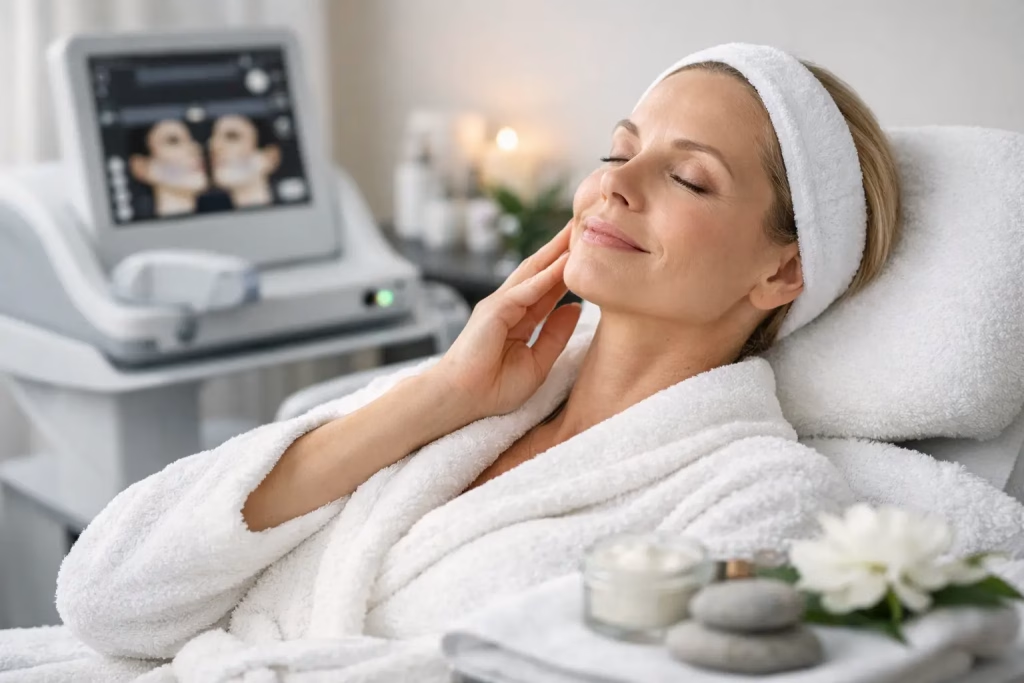
Your Ultherapy appointment may be complete in an afternoon, but the treatment’s most meaningful work happens gradually beneath the surface. This guide to Ultherapy aftercare is designed to help you care for your skin with confidence, understand the recovery timeline, and recognize when personalized medical advice is needed.
Ultherapy is a noninvasive ultrasound treatment that targets selected layers of skin and underlying tissue to support collagen production. Unlike treatments that rely on surface-level recovery, it works deeper within the skin. That is why most people can return to their usual routine promptly, while results continue to refine over the weeks and months that follow.
What to Expect Right After Ultherapy
It is common for the treatment area to look mildly flushed immediately after your appointment. This usually settles within a few hours, though some people experience light redness for up to a day. You may also notice temporary swelling, tenderness, tingling, or a sensation of sensitivity when touching the treated areas.
These effects can vary according to the treatment area, your skin’s baseline sensitivity, and the intensity required for your individualized plan. The jawline, chin, brow, and neck can feel particularly tender because the ultrasound energy has been delivered with precision into deeper tissue layers.
There is generally no need to plan for social downtime. Makeup can often be applied after treatment if your provider has confirmed that your skin is comfortable and intact. Still, a quieter evening, gentle skincare, and a little patience can make the first 24 hours feel more comfortable.
Guide to Ultherapy Aftercare for the First 48 Hours
The aim of early Ultherapy aftercare is simple: minimize unnecessary irritation while allowing your skin to settle. Cleanse with lukewarm water and a mild cleanser, then follow with hydrating, non-irritating skincare. A fragrance-free moisturizer and broad-spectrum sunscreen are especially worthwhile, as treated skin may feel temporarily more reactive.
For the first day or two, avoid activities that create excess heat or friction on the skin. This includes very hot showers, steam rooms, saunas, heated yoga, and intense exercise. These are not always prohibited for every patient, but they can make redness or swelling feel more noticeable. If you have an event shortly after treatment, keeping the skin cool and calm is the more polished choice.
Do not massage, scrub, or use a facial device over the treated area unless your aesthetic provider has specifically advised it. Ultherapy does not require aggressive aftercare, and there is no benefit to trying to “work” the area yourself. Let the tissue recover on its own schedule.
If your skin feels warm or puffy, a cool compress may provide comfort. Use it lightly, with a clean cloth between the compress and your skin. Avoid placing ice directly on the face, as extreme cold can be unnecessarily harsh on sensitive skin.
Your Skincare Routine: What to Pause and What to Keep
Most patients can resume a gentle home routine quickly. Hydration, barrier support, and daily sun protection are appropriate priorities. If you use prescription skincare or active ingredients, however, your timeline should reflect your provider’s instructions and your skin’s response.
For a short period, consider pausing products that commonly cause stinging, dryness, or peeling. These may include retinoids, exfoliating acids, benzoyl peroxide, physical scrubs, and stronger at-home peels. For some patients, this pause may only be a day or two. For others, especially those with sensitive skin or visible redness, a longer break is more comfortable.
Vitamin C and other antioxidant products may be suitable once the skin feels settled, but there is no need to rush. The best routine after Ultherapy is not the most elaborate one. It is a considered routine that protects the skin barrier and supports consistent sunscreen use.
Sun Protection Matters During Collagen Remodeling
Ultherapy does not make the skin photosensitive in the same way certain laser treatments can. Even so, ultraviolet exposure remains one of the key contributors to collagen breakdown, uneven tone, and premature aging. Daily broad-spectrum SPF 30 or higher helps protect the quality of the skin while your collagen response develops.
For outdoor days, reapply sunscreen as needed and consider a hat or other physical protection. This is particularly relevant in bright, humid climates, where incidental sun exposure can add up during commutes, lunches, and weekend activities.
Normal Sensations in the Days and Weeks Ahead
Mild tenderness can continue for several days, and some patients describe a fleeting tingling, sensitivity, or soreness along the jawline or cheekbones. Temporary numbness or slight swelling may also occur. These effects are usually self-limited and should gradually improve rather than intensify.
You may not see a dramatic change immediately. Ultherapy is a collagen-stimulating treatment, not a volumizing treatment or surgical lift. Some patients notice early refinement as swelling settles, but the more meaningful improvement tends to appear progressively over two to three months. Collagen remodeling may continue for up to six months.
The final result depends on several factors: age, degree of skin laxity, collagen reserves, lifestyle, treatment area, and the treatment plan selected. For early laxity, Ultherapy may create a refreshed, firmer appearance with a more defined contour. For more advanced sagging, a provider may recommend combining it with other treatments or setting more conservative expectations.
When to Contact Your Provider
Most post-treatment effects are mild. However, you should contact your treating clinic promptly if something feels unusual, worsening, or concerning. Seek professional guidance for any of the following:
- Increasing pain that is not improving or feels severe
- Significant swelling, blistering, or an expanding rash
- Persistent weakness, asymmetry, or difficulty moving part of the face
- Signs of infection, such as spreading warmth, discharge, or fever
- Numbness or altered sensation that does not gradually improve
Do not rely on online advice if you are worried about your recovery. Your provider knows the treatment settings, the areas addressed, your medical history, and the specific aftercare plan created for you. That context matters.
Supporting Results Beyond Aftercare
The value of Ultherapy lies in its ability to encourage your skin to produce new collagen over time. Aftercare protects comfort in the immediate period, while your everyday habits help preserve the quality of your results over the longer term.
Prioritize sun protection, adequate sleep, hydration, and a stable skincare routine that your skin tolerates well. Smoking and frequent unprotected sun exposure can work against collagen health. Weight fluctuations may also affect facial contour, particularly when the treatment focus is the lower face or jawline.
A thoughtful treatment plan can make a meaningful difference. Depending on your concerns, Ultherapy may be paired at a later date with treatments that address surface texture, pigmentation, volume loss, or dynamic wrinkles. The timing should be individualized rather than based on a one-size-fits-all schedule.
At Kelly Oriental Aesthetic Clinic, a doctor-led consultation helps place Ultherapy within a more considered aesthetic journey, balancing your facial anatomy, skin quality, and goals for natural-looking refinement. The most elegant results are rarely about changing your features. They are about helping you look rested, defined, and confidently like yourself.
Give your skin the time it needs to respond. With gentle care, realistic expectations, and guidance from a qualified provider, Ultherapy recovery can be a quiet and manageable part of a longer-term commitment to skin vitality.
