
Uncategorized
Can Hydrafacial Cause Breakouts? What to Know
Aug
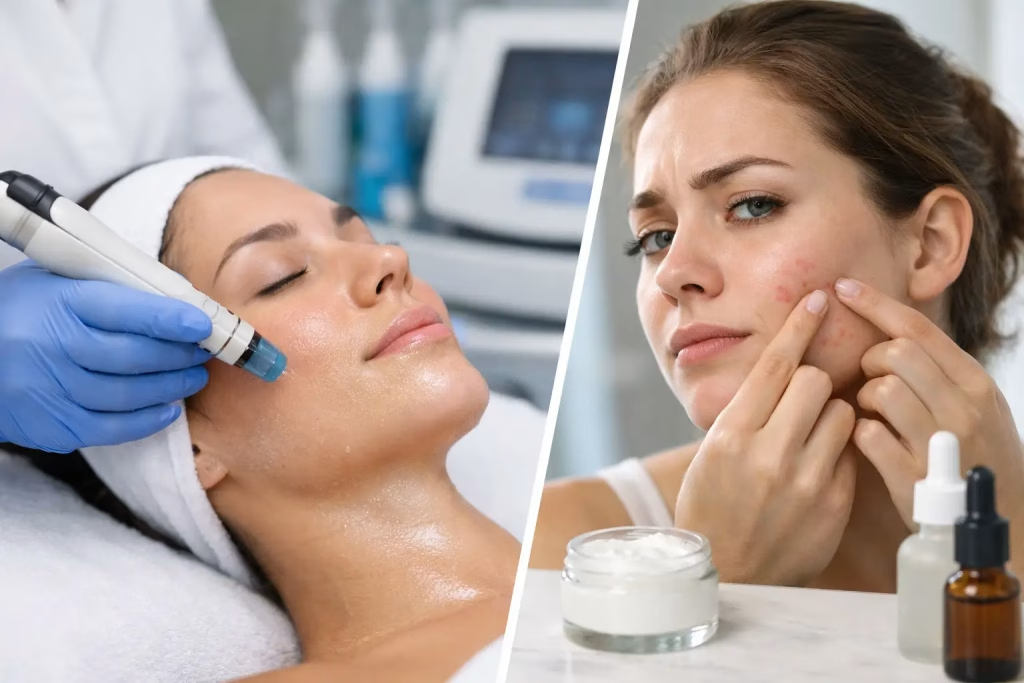
A few new blemishes after a complexion-focused treatment can feel especially frustrating when you booked it to achieve clearer, more luminous skin. So, can Hydrafacial cause breakouts? It can coincide with temporary congestion or acne-like bumps in some people, but a true breakout caused by the treatment is not the most common outcome. The distinction matters because the right next step depends on whether your skin is adjusting, becoming irritated, or revealing an underlying acne tendency that needs a more considered plan.
A Hydrafacial is designed to cleanse, exfoliate, extract pore congestion, and infuse the skin with targeted hydration. When it is selected thoughtfully and performed with appropriate settings, it can be an excellent maintenance treatment for dullness, dehydration, enlarged pores, and mild congestion. Yet every complexion has its own threshold, particularly if it is acne-prone, sensitized, or using active skincare at home.
Why Can Hydrafacial Cause Breakouts in Some Skin?
The treatment itself does not typically create acne in the way that hormonal shifts, certain medications, or pore-clogging products can. However, several factors may lead to post-treatment blemishes, especially within the first few days.
Existing congestion may surface
Skin can hold microcomedones – tiny, developing clogs beneath the surface that are not yet visible. Exfoliation and extractions may bring some of this existing congestion to the surface more quickly. This is often described as purging, although the term is used too broadly online. A short-lived flare of small whiteheads or pimples in your usual breakout areas may reflect pre-existing blockage becoming apparent rather than new acne being created.
That said, not every blemish after a Hydrafacial is purging. Purging should be limited in duration and should not steadily worsen. If breakouts are appearing in unusual locations, becoming painful or cystic, or continuing beyond several weeks, it is worth reassessing the treatment and your skincare routine.
The skin barrier may be temporarily stressed
A Hydrafacial combines several steps in one session. For most patients, it feels comfortable and leaves skin looking refreshed. But skin that is already reactive may find exfoliation, suction, or certain treatment boosters too stimulating. This can result in redness, stinging, itchiness, or clusters of small bumps that resemble acne but are more consistent with irritation.
Barrier stress is more likely when a patient has recently used retinoids, exfoliating acids, benzoyl peroxide, at-home peels, or strong acne treatments. Rosacea-prone and eczema-prone skin may also need a gentler approach. More intensive is not always better, particularly when the goal is clear, balanced skin over time.
Products and aftercare can make a difference
The serums used during a Hydrafacial are chosen according to skin needs, but even well-formulated products may not suit every individual. Rich occlusive skincare, heavy makeup applied immediately after treatment, or trying several new products at once can also contribute to congestion.
The timing can make the Hydrafacial appear responsible when the trigger is actually elsewhere. A new sunscreen, a humid commute, frequent mask wear, hair products along the hairline, or a fluctuating menstrual cycle can all influence acne activity. A careful review of the days before and after treatment often provides more useful clues than assuming one cause.
Purging, Irritation, or a Breakout: How to Tell
The appearance and behavior of the skin provide helpful context. Purging is generally limited to areas where you normally experience clogged pores, such as the forehead, chin, or jawline. It may occur shortly after treatment and should begin settling as the skin completes its normal renewal cycle.
Irritation tends to arrive with discomfort. Think persistent warmth, itchiness, diffuse redness, tightness, flaking, or many tiny uniform bumps. In this case, adding more exfoliation to “clear it out” may aggravate the problem. The priority is to simplify your routine and allow the barrier to recover.
A typical acne flare may include inflamed papules, pustules, or deeper tender lesions. It can appear in familiar acne zones or spread beyond them, and it may not improve quickly. This is particularly relevant for patients with active inflammatory acne, hormonal acne, or a history of post-inflammatory hyperpigmentation. Treating each new blemish aggressively can increase the risk of marks, especially in deeper skin tones.
How to Reduce the Chance of Post-Hydrafacial Blemishes
The most refined results begin before the appointment. Let your provider know about active acne, recent breakouts, prescription skincare, allergies, pregnancy, sensitivity, or any history of reacting to facials. A personalized protocol may mean using gentler exfoliation, limiting extractions, selecting specific boosters, or postponing treatment if the skin is acutely inflamed.
For several days before your appointment, follow the guidance provided by your clinician. This may include pausing retinoids or exfoliating acids if appropriate for your regimen. Avoid experimenting with a new product immediately before treatment. Your provider should have a clear view of your skin’s baseline rather than trying to interpret a reaction caused by a last-minute at-home peel.
Afterward, keep the routine uncomplicated. Use a mild cleanser, a comfortable fragrance-free moisturizer, and broad-spectrum sunscreen during the day. Resist the urge to scrub, pick, or use spot treatments repeatedly on every small bump. The skin has just been treated and generally responds better to calm consistency than to a corrective product marathon.
For the first 24 to 48 hours, it is also sensible to avoid intense exercise, steam rooms, saunas, and heavy makeup if your skin feels warm or sensitive. These are not universal rules for every patient, but reducing heat, friction, and unnecessary product layers gives the skin space to settle.
When Hydrafacial May Need a Different Approach
Hydrafacial can be part of an acne-conscious care plan, but it is not a substitute for medical acne treatment when acne is moderate, severe, painful, or scarring. Active cystic lesions may require a doctor-led assessment first. Depending on the pattern of acne and your skin goals, the best plan may combine prescription management, gentle maintenance treatments, targeted energy-based procedures, or treatment for acne scars once breakouts are controlled.
Patients who are highly sensitive, experiencing a rosacea flare, or recovering from another procedure should also be assessed individually. A premium treatment should never be treated as one-size-fits-all. The appropriate technique, level of exfoliation, and post-treatment plan should reflect what your skin can comfortably tolerate now, not simply what is trending.
At Kelly Oriental Aesthetic Clinic, a consultation-led approach allows the treatment to be calibrated around your skin condition, lifestyle, and longer-term concerns, whether that means congestion, dehydration, visible pores, pigmentation after acne, or early signs of sensitivity.
When to Contact Your Provider
Mild redness and a temporary adjustment period can be normal, but contact your provider if you develop increasing swelling, significant itchiness, hives, blistering, marked pain, or a rapidly spreading rash. You should also seek professional advice if acne-like lesions are worsening rather than improving, especially if they are deep, tender, or likely to leave marks.
Bring a simple record of what you used before and after the treatment, including skincare, makeup, supplements, and medications. Clear information helps a clinician distinguish acne from folliculitis, contact dermatitis, or another concern that may look similar at first glance.
Healthy skin rarely responds best to more, faster, or stronger. If blemishes appear after a Hydrafacial, give your complexion the benefit of thoughtful observation and professional guidance. A carefully adjusted plan can protect your skin barrier while keeping your pursuit of clear, polished skin on course.
