
Uncategorized
Are Skin Boosters Safe? What to Know First
A treatment that promises a fresher, more hydrated complexion should never feel like a leap of faith. So, are skin boosters safe? For many suitable patients, they can be a well-tolerated option when the product, injection technique, and aftercare are carefully selected by a qualified medical professional. But safety is not defined by a treatment’s popularity. It is defined by the details behind it.
Skin boosters are designed to improve skin quality rather than create dramatic facial volume or alter facial structure. They are often chosen by patients who want skin that appears more luminous, supple, and refined, particularly across the cheeks, under-eye area, neck, décolletage, or hands. The appeal is understandable. The decision still deserves the same thoughtful consultation as any injectable treatment.
Are Skin Boosters Safe When Performed Professionally?
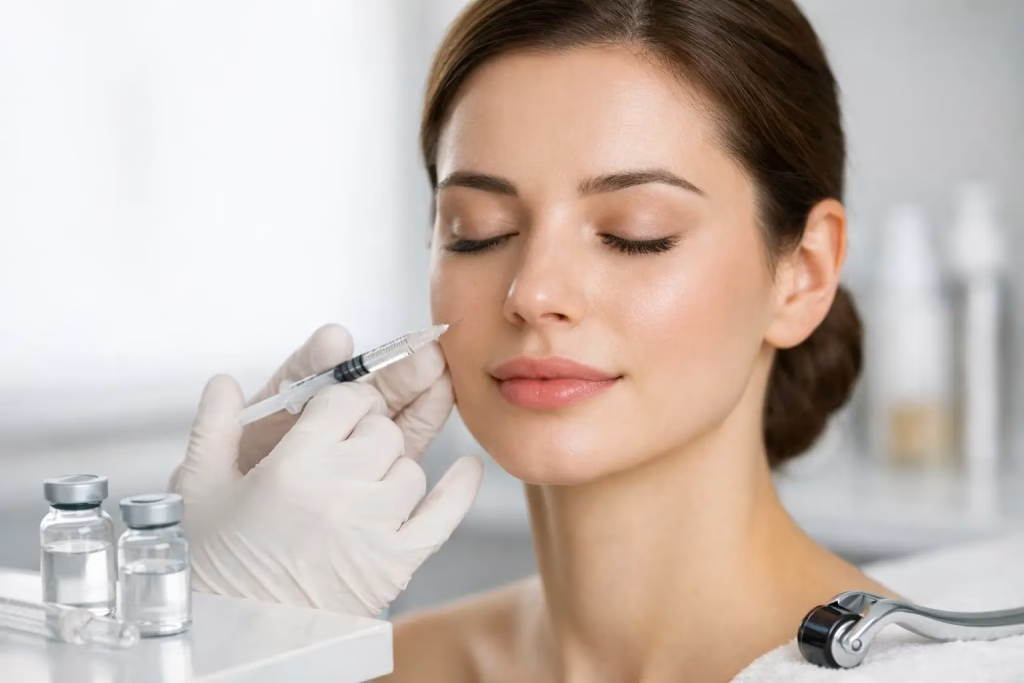
Skin boosters are typically administered through a series of small injections placed within the skin. Many formulations contain hyaluronic acid, a molecule naturally present in the body that attracts water. Others may include polynucleotides, amino acids, vitamins, or other ingredients intended to support hydration and skin revitalization. The exact composition, approved uses, and evidence base differ from product to product.
When an appropriate product is used by a trained and experienced injector, skin booster treatments are generally considered safe for suitable candidates. However, “generally safe” does not mean risk-free. Any injectable procedure can cause side effects, and the face is anatomically complex. A medical assessment, sterile technique, precise placement, and the ability to recognize and manage complications all matter.
This is why treatment should not be selected from a menu alone. A polished result begins with understanding your skin condition, goals, medical history, and whether an injectable is the right choice at all. For some patients, energy-based treatments, medical-grade skincare, or a different form of rejuvenation may be more appropriate.
What Skin Boosters Can and Cannot Do
A skin booster is not the same as traditional dermal filler. Fillers are often placed more deeply to restore volume, contour features, or soften certain folds. Skin boosters are usually delivered more superficially and in smaller amounts, with the aim of improving hydration, texture, fine lines, and overall radiance.
That distinction is valuable because it helps set realistic expectations. A skin booster may help dull, dehydrated skin look more refreshed, but it will not lift significantly sagging skin, replace lost facial volume, or erase deep wrinkles. Results also develop gradually. Depending on the formulation and treatment plan, a series of sessions may be recommended, followed by maintenance at intervals tailored to the individual.
The safest treatment plan is rarely the most aggressive one. It is the one that respects your anatomy, skin needs, and tolerance for downtime while keeping the outcome elegant and believable.
Common Side Effects After Treatment
Most side effects are mild and temporary. Immediately after treatment, small raised bumps at the injection points are common, especially with certain hyaluronic acid skin boosters. These usually settle as the product integrates and the skin calms.
You may also experience redness, tenderness, mild swelling, itching, or bruising. These reactions often resolve over several days, though bruising can last longer in some individuals. The under-eye area and areas with thinner skin may be more prone to visible swelling or bruising.
It is sensible to schedule your appointment with some breathing room before a major event, professional photo shoot, or holiday. Even a beautifully performed treatment can involve a short recovery window, and skin responds differently from person to person.
Simple aftercare often includes keeping the area clean, avoiding makeup for the period advised by your clinician, and postponing strenuous exercise, heat exposure, alcohol, and facial treatments for a short time. Your provider should give you clear, individualized instructions rather than relying on a one-size-fits-all approach.
Less Common Risks That Deserve Serious Attention
Although uncommon, more significant complications can occur with skin booster injections. These can include infection, persistent nodules, inflammatory reactions, allergic reactions, or uneven results. Certain products may not be suitable for people with particular allergies, autoimmune conditions, active skin disease, or a history of problematic scarring.
A rare but urgent risk associated with facial injectables is unintentional injection into or compression of a blood vessel. This may compromise blood flow and requires immediate medical attention. Severe pain, skin blanching or unusual discoloration, mottled skin, worsening swelling, visual changes, or symptoms that feel out of proportion should never be dismissed as routine recovery.
The goal is not to create fear. It is to make an informed choice. A reputable clinic will discuss both expected effects and uncommon complications before treatment, explain how concerns are handled, and provide a clear route for follow-up care.
Who Should Delay or Avoid Skin Boosters?
Suitability is personal. Skin boosters may need to be postponed if you have active acne, eczema, rosacea flare-ups, a cold sore outbreak, open wounds, or another infection in the planned treatment area. Injecting through compromised or inflamed skin can increase risk and may worsen irritation.
Pregnant or breastfeeding patients are commonly advised to defer elective injectable treatments because safety data in these settings are limited. Those taking blood-thinning medication, using certain supplements, or with a history of easy bruising should discuss this openly with their clinician. Do not stop prescribed medication without guidance from the doctor managing your care.
It is also essential to disclose prior injectable treatments, facial surgery, allergies, medical conditions, and medications. This information is not a formality. It allows the clinician to choose a suitable approach, identify contraindications, and avoid treating areas that may need additional caution.
Product Quality and Injector Skill Matter
The phrase “skin booster” can describe different products and protocols, so it is worth asking what is being injected. You should know the product name, its key ingredient, where it was sourced, and whether it is appropriate for the area being treated. A legitimate clinic should be transparent and use products obtained through authorized channels.
Technique is equally important. Injection depth, amount of product, spacing, and knowledge of facial anatomy influence both safety and the quality of the final result. More product is not necessarily better. An overtreated face can look puffy, uneven, or inflamed, even when the treatment itself was intended to create subtle hydration.
At a doctor-led aesthetic clinic, consultation is an opportunity to look beyond a single concern. Dehydration, enlarged pores, fine lines, pigmentation, and laxity can coexist, but they do not always respond to the same treatment. A considered plan may combine skin boosters with suitable skin maintenance or technology-based treatments at the right intervals, rather than layering procedures indiscriminately.
Questions Worth Asking Before Your Appointment
Before proceeding, ask who will perform the injections and what medical qualifications and experience they have. Ask which product is being recommended, why it suits your skin goals, what results are realistic, and how many sessions may be needed. You should also understand the expected downtime, total cost of a treatment course, and the clinic’s protocol for managing complications.
Pay attention to the consultation itself. You should not feel rushed toward treatment or pressured into a package before your questions have been answered. The right provider will assess your facial proportions and skin health, explain alternatives when relevant, and be comfortable advising against treatment if it is not in your best interest.
At Kelly Oriental Aesthetic Clinic, this measured approach reflects a simple principle: refined aesthetic care should feel personal, medically considered, and never excessive. The best outcomes preserve what already looks like you, while helping your skin appear rested and quietly radiant.
The Sensible Way to Approach Skin Boosters
If you are considering skin boosters, begin with a proper medical consultation rather than a promotional offer. Bring photos of results you admire, but be prepared to discuss the quality of your skin rather than only the features you want to change. A trusted clinician can help separate a worthwhile treatment goal from an unrealistic expectation.
Choose safety over urgency, provenance over bargain pricing, and thoughtful planning over a quick fix. When your treatment is selected with care and performed with clinical precision, skin rejuvenation can remain exactly what it should be: a confident, considered part of your long-term self-care.
