

Uncategorized
How to Fade Sun Spots With a Personalized Plan
Aug
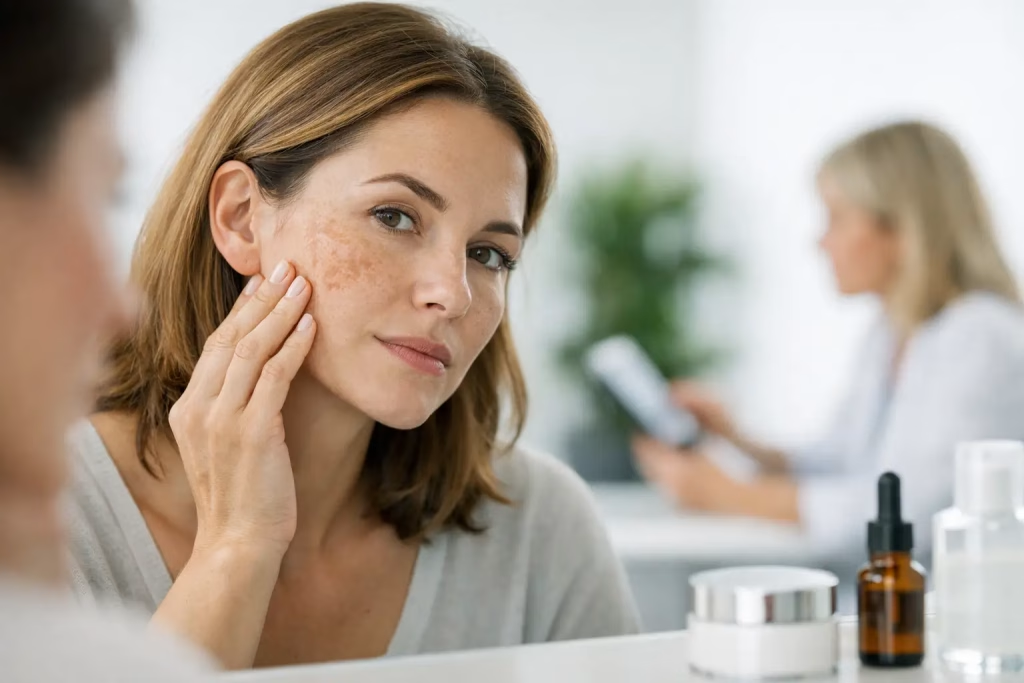
Sun spots often become noticeable long after the beach holiday, outdoor lunch, or years of commuting without consistent sun protection. If you are wondering how to fade sun spots, the most effective approach is rarely one product or one procedure. It is a considered plan that addresses existing pigment while preventing the ultraviolet and visible-light exposure that encourages it to return.
Also called solar lentigines or age spots, sun spots are flat, defined brown or tan patches that commonly appear on the cheeks, temples, forehead, chest, shoulders, and hands. They are harmless in many cases, but they can make the complexion appear uneven and older than it feels. With the right diagnosis, diligent home care, and professionally selected treatments, they can often be visibly softened.
First, make sure it is truly a sun spot
Not every dark mark should be treated in the same way. Post-inflammatory hyperpigmentation can follow acne, irritation, or injury. Melasma tends to appear as broader, symmetrical patches and is often influenced by heat, hormones, and light exposure. A spot that is new, changing in color or shape, itchy, bleeding, or irregular should be assessed by a qualified medical professional before any aesthetic treatment.
This distinction matters because pigment behaves differently in different skin types. An aggressive approach may be appropriate for a clearly defined sun spot, yet may aggravate melasma or trigger post-treatment darkening in pigment-prone skin. A doctor-led consultation provides the clarity needed to choose a safer, more precise path forward.
How to fade sun spots at home
Daily sun protection is the foundation of every pigmentation plan. Without it, even excellent laser results and active skincare can be undermined by ongoing exposure. Apply a broad-spectrum sunscreen with SPF 30 or higher each morning, using enough for the face, neck, and ears. Reapply when outdoors, near windows for extended periods, sweating, or exercising.
For persistent pigmentation, a tinted sunscreen containing iron oxides can be especially worthwhile. Along with ultraviolet light, visible light may contribute to darkening in some complexions, particularly when melasma or deeper skin tones are involved. A wide-brimmed hat, sunglasses, and intentional shade are practical additions, not optional extras.
A thoughtful skincare routine can gradually improve surface-level unevenness. Vitamin C in the morning offers antioxidant support and can help brighten the appearance of existing discoloration. At night, ingredients such as retinoids, azelaic acid, niacinamide, tranexamic acid, kojic acid, or alpha arbutin may be recommended depending on your skin sensitivity and concerns.
Consistency matters more than using every active at once. Combining strong exfoliating acids, retinoids, and brightening products too quickly can compromise the skin barrier, causing inflammation that leads to more pigmentation. Introduce one change at a time and allow your skin to settle. If your skin is dry, reactive, or prone to rosacea, gentle barrier support may need to come before more intensive brightening.
When skincare alone is not enough
Topical care can improve overall radiance and help maintain results, but established sun spots often sit too deep to disappear completely with skincare alone. In-clinic treatments can target pigment more directly, with the choice guided by the depth and pattern of discoloration, your skin tone, downtime preferences, and history of pigmentation.
Pico laser for defined pigmentation
Pico laser treatments use ultra-short pulses of energy to fragment unwanted pigment into smaller particles that the body can gradually clear. This makes them a refined option for many forms of sun-induced discoloration, especially distinct spots on the face, hands, chest, or shoulders.
Treatment settings should never be one-size-fits-all. A skilled provider will adjust the approach based on skin type, the darkness and location of the spots, and how your skin has responded to prior procedures. Some clients see brightening after a session, while others benefit from a series of treatments spaced apart to allow the skin to recover and reveal progress gradually.
Temporary redness, mild warmth, and darkening of targeted spots before they flake away can occur. Sun avoidance and disciplined sunscreen use afterward are essential. The goal is not to treat skin aggressively, but to improve clarity while respecting its natural balance.
Chemical peels and skin-renewing facials
For diffuse dullness, fine surface discoloration, and uneven texture, a professionally selected chemical peel may support a brighter, more polished complexion. Peels encourage controlled exfoliation and can complement pigment-focused home care. Their intensity should be carefully matched to the skin, particularly for clients who are sensitive or susceptible to post-inflammatory hyperpigmentation.
Hydration-focused facials and restorative treatments can also play a role when the barrier is compromised. They will not erase a deeply set sun spot on their own, but well-hydrated, resilient skin is better prepared to tolerate active skincare and clinical treatments. This is where a personalized treatment journey is more valuable than chasing the strongest procedure available.
Combination plans for more complete results
Pigmentation often comes with other concerns, such as enlarged pores, rough texture, fine lines, dehydration, or acne marks. In those cases, a combined approach may deliver a more naturally refreshed result than spot treatment alone. A practitioner may sequence pigment laser sessions with restorative care, medical-grade skincare, or collagen-supporting procedures based on what your complexion needs at each stage.
At Kelly Oriental Aesthetic Clinic, this type of planning begins with a doctor-led assessment rather than a preset package. The right plan accounts for your skin’s history, your lifestyle, and the degree of downtime you can comfortably accommodate.
What results can you realistically expect?
Sun spots can lighten significantly, but no reputable provider should promise that pigment will never return. Your skin retains the memory of cumulative sun exposure, and new discoloration can develop with age, outdoor activity, hormonal shifts, and inconsistent protection. Maintenance is part of refined skin care, not a sign that treatment has failed.
Expect gradual improvement rather than an overnight transformation. Laser-treated spots may initially appear darker before they fade. Brightening skincare typically takes several weeks of consistent use to show its full effect. For more widespread pigmentation, improvement may unfold over several months as treatments and home care work together.
The most satisfying outcomes tend to look balanced rather than overtreated: a clearer, more even complexion that still looks like your own skin. Photographs taken in consistent lighting can be useful for tracking subtle changes that are easy to miss in the mirror.
Habits that help keep sun spots from returning
Once pigment has improved, protect your investment with a routine you can genuinely maintain. Keep sunscreen by the door or alongside your morning skincare, and consider a travel-size option for your bag. Reapply before long outdoor lunches, weekend walks, sports, or drives with strong side-window sun exposure.
Avoid picking at blemishes and be cautious with harsh at-home peels or unverified brightening products. Skin irritation can create a new cycle of discoloration, especially in deeper skin tones. If you become pregnant, start a prescription medication, or notice a change in your pigmentation pattern, revisit your routine with a medical professional.
Clearer skin is built through precision and patience. A considered consultation can help you move beyond guesswork, choose treatments that respect your skin, and enjoy a complexion that looks rested, luminous, and confidently cared for.
