
Uncategorized
Your Guide to Aesthetic Treatment Safety
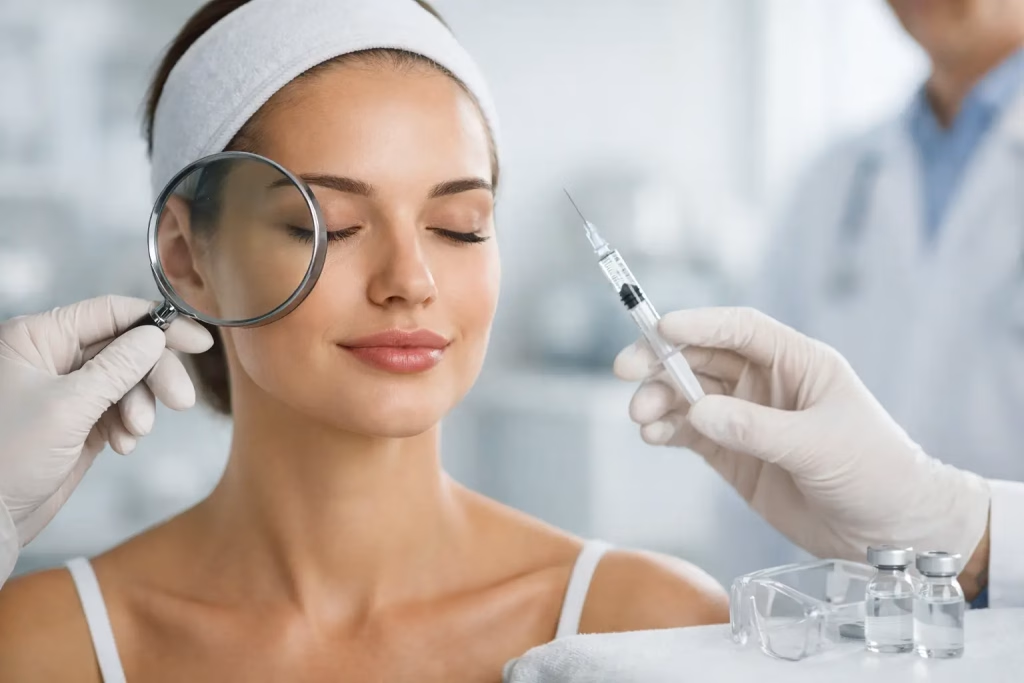
A glowing complexion, a more refined profile, or firmer-looking skin should never come at the expense of your well-being. This guide to aesthetic treatment safety is designed to help you make discerning choices before you commit to any injectable, energy-based procedure, laser treatment, or skin rejuvenation plan. The right treatment can be transformative, but only when it is chosen for your needs, delivered by qualified professionals, and supported by thoughtful aftercare.
For patients who value natural-looking refinement, safety is not a single checkpoint. It is the standard that informs every detail of the experience, from consultation and diagnosis to the technology used and the way your skin is cared for afterward.
Start With a Proper Medical Consultation
Aesthetic care should begin with a conversation, not a package. Before recommending treatment, a qualified doctor should understand your concerns, examine the area being treated, review your medical history, and discuss what is realistically achievable.
This is particularly relevant for treatments involving injections, heat, ultrasound, radiofrequency, lasers, or prescription-strength skincare. Pigmentation, acne scarring, facial laxity, redness, and volume loss can appear similar at first glance, yet they may require very different approaches. Treating the wrong concern with the wrong modality can lead to disappointing results and, in some cases, unnecessary complications.
Be prepared to disclose allergies, medications, previous procedures, skin conditions, pregnancy or breastfeeding status, a history of cold sores, and any tendency toward scarring or post-inflammatory hyperpigmentation. These details help your provider tailor the treatment safely. For example, patients prone to pigmentation may need a more conservative laser protocol, while a history of cold sores may call for preventive medication before certain procedures around the mouth.
A considered consultation should also include an honest discussion about downtime. Some treatments are designed for a lunchtime return to routine, while others may involve redness, swelling, pinpoint bleeding, peeling, or a period of gradual collagen remodeling. There is no benefit in choosing a treatment based solely on speed if the recovery does not suit your calendar or comfort level.
Choose Credentials Over Convenience
A premium clinic experience should feel calm and welcoming, but reassurance must be grounded in clinical standards. Look for a practice where medical aesthetic treatments are overseen or performed by appropriately licensed, trained professionals, with clear protocols for patient assessment, consent, hygiene, and follow-up.
Credentials matter most when a treatment carries greater risk. Injectables require detailed knowledge of facial anatomy and the ability to recognize and manage vascular complications. Energy-based treatments such as Pico Laser, radiofrequency microneedling, Ultherapy, and Thermage require an understanding of skin type, tissue depth, device settings, and contraindications. A device is only as safe as the judgment guiding its use.
Ask who will perform your treatment, what training they have received, and who is available if you have concerns after your appointment. These are reasonable questions, not uncomfortable ones. A credible provider will welcome them and explain the process without pressure.
It is also wise to be cautious of unusually steep discounts, vague treatment descriptions, or promises of dramatic results in a single session. Pricing alone does not determine quality, but a thoughtful treatment plan includes time for consultation, appropriate products or devices, clinical expertise, and post-treatment support. Those elements are part of what you are choosing.
Understand the Treatment, Not Just the Trend
A treatment that works beautifully for a friend, colleague, or social media creator may not be the right choice for you. Facial structure, skin tone, skin sensitivity, lifestyle, and goals all influence the ideal approach.
Injectables can soften expression lines, restore selected areas of volume, or enhance contour, but they should be planned with restraint and proportion in mind. More product is not automatically better. A refined result often comes from treating only the areas that genuinely benefit from support, then allowing time to assess how your face settles.
Laser and light-based treatments can address concerns such as pigmentation, acne scars, enlarged pores, and tattoo removal, but parameters must be individualized. Skin that tans easily or has a deeper tone may require extra care to reduce the risk of irritation or uneven pigmentation. Likewise, active acne, eczema, rosacea flares, or a compromised skin barrier may mean that treatment should be delayed or modified.
Energy-based lifting treatments may appeal to patients who want gradual improvement without surgery. They work by stimulating collagen at specific depths, and results typically develop over weeks to months rather than overnight. The trade-off is patience. When providers promise immediate, surgical-level transformation from a non-surgical treatment, it is sensible to pause and ask for a clearer explanation.
A Guide to Aesthetic Treatment Safety Before Your Appointment
Good outcomes often begin before you arrive at the clinic. Your provider may give you tailored instructions based on the procedure, your medications, and your skin condition. Follow them closely, even when they seem minor.
For certain treatments, this may include avoiding excessive sun exposure, tanning products, exfoliating acids, retinoids, or hair removal methods that can sensitize the skin. Before injectables, your clinician may review supplements or medications that can increase bruising risk. Never stop prescribed medication without consulting the clinician who manages it.
Come to your appointment with clean skin unless you have been instructed otherwise. Avoid trying a new active skincare product, facial treatment, or at-home device immediately beforehand. If you are feeling unwell, have a new rash, active infection, or unexpected skin irritation in the treatment area, contact the clinic before your visit. Rescheduling may be the safer choice.
Photographs can also be a valuable part of responsible care. Standardized before-and-after images help your provider assess progress objectively rather than relying on memory or a single flattering mirror angle. They are especially useful for gradual treatments targeting pores, pigmentation, fine lines, body contour, or hair restoration.
During Treatment, Comfort Should Never Replace Communication
Aesthetic procedures can involve varying sensations, from warmth and pressure to quick pinches or temporary tenderness. Your provider should explain what you may feel, what is normal, and when to speak up.
Do not assume discomfort is something to endure silently. If pain feels sharp, intense, or different from what was described, let the practitioner know immediately. The treatment can often be adjusted, paused, or reassessed. This is particularly meaningful with laser and energy-based procedures, where settings should match both your treatment goal and your skin’s response.
A professional clinic will also prioritize clean technique, appropriate protective equipment, and clear documentation. For laser treatments, eye protection is essential. For injections, sterile products, proper preparation, and an understanding of emergency protocols are fundamental. These details may happen quietly in the background, but they are the marks of conscientious care.
Aftercare Protects Your Results
Aftercare is not an optional add-on. It is the final stage of treatment safety and often shapes how smoothly your skin recovers. Your clinic should provide clear instructions tailored to the procedure, including what to use, what to avoid, and what changes are expected over the next few hours or days.
Following many skin treatments, a gentle routine is best: mild cleansing, barrier-supportive hydration, and consistent broad-spectrum sunscreen. Resist the urge to exfoliate, pick, scrub, or test new products while the skin is settling. With treatments that create controlled micro-injury or heat, your skin needs time to repair before returning to stronger active ingredients.
For injectables, follow your provider’s specific advice about exercise, pressure on the area, makeup, heat exposure, or massage. Recommendations vary by product and treatment site, so generalized advice from social media should never override the instructions you received in person.
Know which signs warrant a call to your clinic. Persistent or worsening pain, unusual blanching or discoloration, blistering, severe swelling, increasing warmth, discharge, fever, or visual changes should be addressed promptly. Most post-treatment effects are mild and temporary, but timely communication is always preferable to waiting and worrying.
Prioritize a Plan That Evolves With You
The safest aesthetic journey is rarely built around one dramatic appointment. It is shaped over time, with each treatment evaluated against your skin’s response, your comfort, and your evolving goals. A plan for acne scars may begin with inflammation control and skin strengthening before laser resurfacing. A facial rejuvenation plan may combine subtle injectables, collagen stimulation, and medical-grade skincare rather than relying on a single procedure.
At Kelly Oriental Aesthetic Clinic, this measured approach reflects the value of doctor-led assessment and personalized treatment planning. Advanced technology has a meaningful role in aesthetics, but discernment remains the most sophisticated tool in the room.
Choose a provider who makes you feel informed rather than rushed, heard rather than sold to, and supported long after your appointment ends. Beautiful results are most compelling when they are achieved with care, clinical judgment, and the confidence that your well-being has remained central throughout.
