

Uncategorized
Best Procedures for Facial Redness, Explained
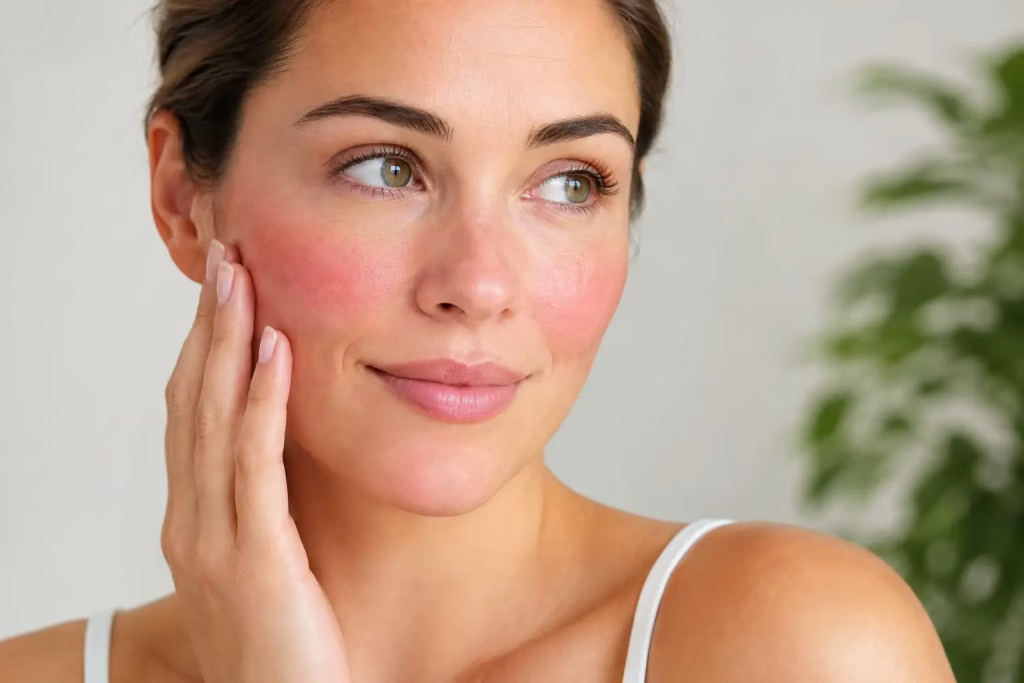
Facial redness can be deceptively complex. A flush across the cheeks after coffee, persistent pinkness around the nose, fine visible vessels, and an irritated, burning complexion may look similar in the mirror, yet they can require very different care. The best procedures for facial redness begin with identifying what is causing the redness, then selecting treatment that respects the skin’s sensitivity rather than simply trying to cover it.
For many patients, the goal is not an unnaturally flawless finish. It is skin that feels calmer, looks more even, and no longer dictates every makeup choice, social plan, or close-up photograph. A thoughtful, doctor-led treatment plan can make that goal far more realistic.
Why the Cause of Redness Comes First
Redness may be linked to rosacea, sun-related vascular changes, broken capillaries, acne inflammation, contact irritation, eczema, or a compromised skin barrier. Hormonal shifts, heat, alcohol, spicy foods, exercise, stress, and unsuitable skincare can also intensify flushing. In some cases, redness can signal a medical condition requiring dermatologic assessment rather than aesthetic treatment alone.
This is why a consultation should look beyond the surface. A clinician will consider where redness appears, whether it comes and goes or remains constant, the presence of bumps or visible vessels, your skincare routine, medical history, and known triggers. Treating prominent vessels with a light-based procedure may be highly effective, for example, but it will not resolve flushing caused by unmanaged rosacea triggers or ongoing irritation from strong exfoliants.
The right approach is often layered: first stabilize the skin, then address visible redness with an appropriate procedure, and finally maintain the result with carefully chosen home care.
Best Procedures for Facial Redness by Concern
Vascular laser treatments for visible vessels and diffuse redness
For persistent redness and fine, visible capillaries, vascular laser treatments are often among the most targeted options. These devices use specific wavelengths of light to focus on hemoglobin, the pigment in blood vessels. The heat generated can help reduce the appearance of small surface vessels and diffuse redness while preserving the surrounding skin when treatment settings are selected appropriately.
Pulsed dye lasers and long-pulsed Nd:YAG lasers are commonly considered for vascular concerns. The ideal device and settings depend on vessel depth, skin tone, the extent of redness, and whether rosacea is active. Some patients see a clearer complexion after one session, while more established redness or widespread capillaries typically benefit from a series of treatments.
There are trade-offs. Mild swelling, warmth, or temporary redness can occur after treatment, and some vascular lasers may cause brief bruising. A conservative plan is particularly valuable for reactive skin. The aim is gradual refinement with minimal unnecessary downtime, not an aggressive session that overwhelms an already sensitive complexion.
IPL for widespread uneven tone and flushing
Intense pulsed light, often called IPL, can be a suitable option when redness is diffuse and accompanied by visible sun damage, brown spots, or uneven tone. Unlike a single-wavelength laser, IPL delivers broad-spectrum light that can be filtered to target pigment and vascular irregularities.
IPL may be especially appealing to patients who want a more comprehensive brightening effect alongside improvement in facial redness. It is not, however, a universal answer for every red complexion. Active inflammation, a recently tanned complexion, certain medications, and deeper skin tones all require careful assessment. Inappropriately selected settings can increase irritation or pigmentary risk, which is why device choice and clinician experience matter.
For rosacea-prone skin, IPL is generally approached as part of a broader management plan. It may reduce background redness and visible vessels, but it does not remove the need to identify personal triggers or use prescribed medical treatment where necessary.
Gentle supportive treatments for a weakened skin barrier
When redness is accompanied by tightness, stinging, flaking, or dehydration, the skin barrier may need attention before energy-based procedures are considered. A gentle, nonabrasive facial treatment can help remove surface impurities and replenish hydration without the harshness of aggressive scrubs, strong acids, or extraction-heavy facials.
Hydrafacial-style treatments can be adapted with mild settings and calming formulations for suitable patients. The keyword is adapted. A protocol designed for congestion and intensive exfoliation is not necessarily right for reactive skin. Your provider should be willing to reduce suction, avoid irritating actives, and prioritize comfort over a one-size-fits-all treatment menu.
LDM, or local dynamic micromassage ultrasound, is another supportive option sometimes incorporated into plans for sensitive or inflamed-looking skin. It is valued for its gentle approach and may complement a barrier-focused regimen. Results are usually subtler than a vascular laser, but supportive treatments can be meaningful when the immediate priority is restoring comfort and resilience.
Microneedling radiofrequency for redness with acne scarring or textural change
Not all redness is purely vascular. Post-acne redness can linger alongside enlarged pores, uneven texture, and acne scars. In appropriately selected patients, microneedling radiofrequency treatments such as Sylfirm X may help improve texture and support collagen remodeling while targeting certain vascular and pigment concerns.
This is not usually the first choice for an acutely inflamed rosacea flare. Microneedling RF creates controlled micro-injuries and heat within the skin, so timing, depth, and energy levels deserve meticulous planning. For patients whose redness is stable and whose main concern includes scars or texture, it can be part of a more comprehensive rejuvenation strategy.
Expect some temporary redness after treatment. The recovery period is often manageable, but it should be planned around work, social events, and your skin’s known reactivity. Patients prone to post-inflammatory hyperpigmentation should receive personalized guidance on settings and sun protection.
Procedures That May Not Be Right Right Now
A procedure can be excellent in the right context and counterproductive in the wrong one. Strong chemical peels, abrasive microdermabrasion, frequent scrubbing, and high-heat treatments can aggravate a sensitized face. Even a popular laser treatment may need to wait if the skin is actively burning, peeling, infected, sunburned, or reacting to a new product.
For patients with rosacea, acne-like bumps, eye symptoms, or sudden unexplained redness, medical evaluation is especially important. Prescription topical or oral therapies may be needed to bring inflammation under control before aesthetic procedures are introduced. This is not a setback. It is the safest route to better, more durable results.
What a Personalized Treatment Journey Can Look Like
A refined plan rarely starts with the most powerful device. It starts with a careful assessment and a clear sequence. If skin is irritated, the first phase may focus on calming care, trigger reduction, and a simplified home routine. Once sensitivity is more controlled, light-based treatment may be used to reduce persistent vascular redness. Maintenance sessions can then be scheduled according to how the skin responds and how often flushing returns.
At Kelly Oriental Aesthetic Clinic, this kind of sequencing is central to a bespoke approach. Rather than treating redness as one isolated concern, a doctor can consider the relationship between vessels, inflammation, dehydration, pigmentation, texture, and your desired downtime. The result should feel curated, clinically appropriate, and realistic for your lifestyle.
At home, avoid turning your bathroom shelf into an experiment. Use a gentle cleanser, a fragrance-free moisturizer that supports the barrier, and broad-spectrum sunscreen every day. Introduce active ingredients one at a time, and pause any product that causes persistent stinging or worsening redness. Sun exposure is a major driver of visible vessels and inflammation, so diligent protection helps preserve the benefits of in-clinic treatment.
Questions to Ask Before Treating Facial Redness
Before committing to a procedure, ask what the provider believes is causing your redness and why that procedure is suitable for your skin. You should also understand the expected number of sessions, recovery time, possible side effects, and how the plan will change if your skin flares.
Ask whether a test area is appropriate, particularly if you have a deeper skin tone, a history of pigmentation, very reactive skin, or previous adverse reactions to treatments. A reputable provider will welcome these questions and set expectations with care rather than promise an instant transformation.
The most beautiful outcome is not simply less red skin. It is the confidence of knowing your complexion is being treated with precision, patience, and respect for what it needs.
