

Uncategorized
How to Treat Dry Skin Without Overcomplicating It
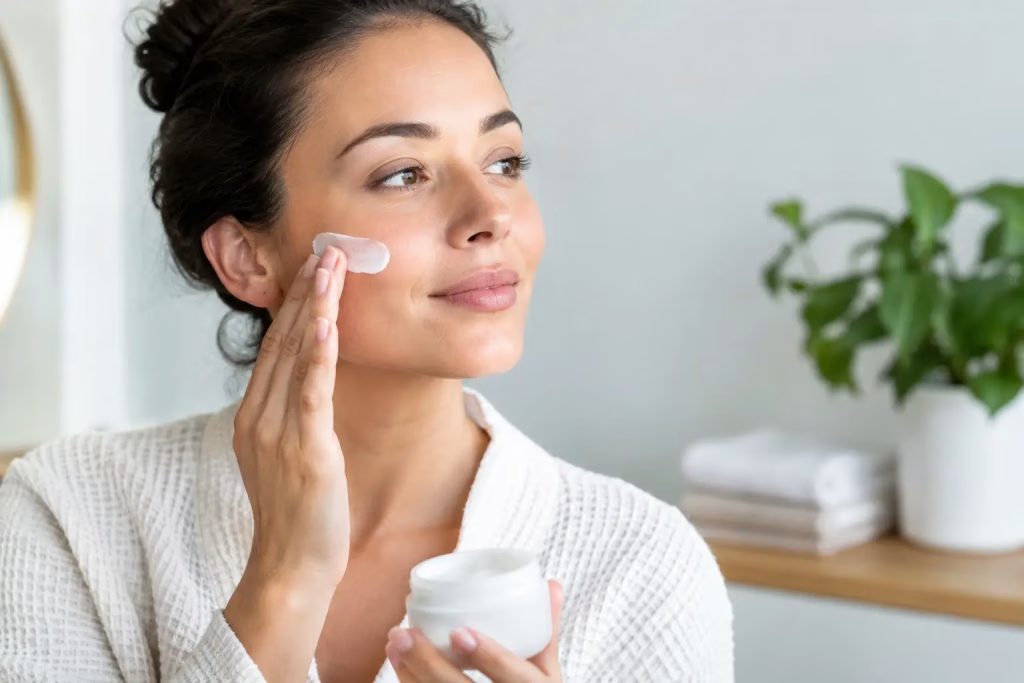
Skin that feels tight after cleansing, catches on makeup, or develops fine flakes beneath a polished complexion is not simply asking for a richer cream. It is often signaling that its protective barrier needs more thoughtful support. Knowing how to treat dry skin begins with recognizing what is changing beneath the surface, then choosing care that restores comfort without overwhelming a sensitized complexion.
Dry skin can look different from one person to the next. For some, it is a seasonal concern around the cheeks and hands. For others, it presents as persistent roughness, dullness, itching, redness, or makeup that refuses to sit smoothly. A refined routine should address both immediate comfort and the long-term resilience of the skin barrier.
Dry skin versus dehydrated skin
These terms are often used interchangeably, but they describe different concerns. Dry skin is a skin type characterized by a lower production of natural oils, or lipids. These oils help form the barrier that keeps moisture in and external irritants out. Dry skin commonly feels rough, flaky, and prone to sensitivity.
Dehydrated skin, by contrast, is a temporary condition caused by a lack of water. Even oily or acne-prone skin can become dehydrated, particularly after over-cleansing, using strong active ingredients, spending time in air-conditioned spaces, traveling, or recovering from environmental stress. It may feel tight while still appearing shiny, and fine lines can become more noticeable.
The distinction matters because a lightweight hydrating serum may help dehydration, while truly dry skin often needs both water-binding ingredients and replenishing lipids. Many complexions experience a blend of both.
How to treat dry skin by rebuilding the barrier
The skin barrier is the outermost layer of the skin, often described as a brick-and-mortar structure. Skin cells are the bricks; ceramides, cholesterol, and fatty acids make up much of the mortar. When that structure is compromised, moisture escapes more easily and everyday products can begin to sting.
Start by simplifying your cleansing routine. Use lukewarm rather than hot water, and choose a gentle, low-foam cleanser that leaves the skin comfortable rather than squeaky-clean. That tight, stripped feeling after washing is not a sign of thorough cleansing. It is often a sign that the skin’s protective oils have been removed too aggressively.
Apply hydration while the skin is still slightly damp. Humectants such as glycerin, hyaluronic acid, panthenol, and beta-glucan attract and hold water within the upper layers of the skin. Follow with a moisturizer containing ceramides, squalane, shea butter, or other skin-compatible emollients. The right texture depends on your complexion and climate: a lotion may be sufficient for combination skin, while a richer cream can be more comfortable for mature or very dry skin.
For areas that crack or flake repeatedly, such as around the nose, lips, hands, or elbows, a thin occlusive layer at night can reduce moisture loss. Petrolatum and dimethicone are effective options. They are not glamorous ingredients, but used selectively, they can be exceptionally protective.
Be selective with active ingredients
Well-chosen active ingredients can support radiant, healthy-looking skin. Too many at once, however, can keep dry skin in a cycle of irritation. Retinoids, exfoliating acids, vitamin C formulas with a low pH, acne treatments, and fragranced products may all be appropriate for certain concerns, but their frequency and formulation should be considered carefully.
If dryness or stinging has become persistent, pause nonessential exfoliation first. Avoid using multiple exfoliating products in the same routine, and do not assume that visible flaking needs more scrubbing. Flaking can reflect a weakened barrier, not a buildup of dead skin that needs to be removed.
Retinoids deserve a nuanced approach. They remain valuable for concerns such as fine lines, uneven texture, and acne, but dry or reactive skin may benefit from a lower strength, fewer applications per week, or the “sandwich” method of applying moisturizer before and after the retinoid. A personalized recommendation is especially worthwhile if you have rosacea, eczema-prone skin, or a history of sensitivity.
During a barrier-recovery phase, prioritize a concise routine: gentle cleanse, hydrate, moisturize, and use broad-spectrum sunscreen each morning. Consistency is more elegant and effective than a crowded bathroom shelf.
Sunscreen is part of dry-skin care
Daily sunscreen protects against UV exposure, which can contribute to inflammation, premature skin aging, and barrier disruption. Yet some formulas can emphasize dryness or pill under makeup. If your skin feels tight after sunscreen, look for a moisturizing cream or lotion formula with humectants and barrier-supporting ingredients rather than a matte, alcohol-heavy finish.
For deeper skin tones, a sunscreen that blends without a visible cast can make daily use far more realistic. For acne-prone skin, a non-comedogenic fluid or lightweight lotion may offer the balance you need. The best sunscreen is one that feels comfortable enough to apply generously and reapply when needed.
Small daily habits that make a visible difference
A few habits can quietly undermine an otherwise excellent routine. Long, hot showers, harsh body washes, frequent scrubs, and fragranced laundry products can all aggravate dry skin. Apply body moisturizer within a few minutes of bathing, before water evaporates from the skin.
Environmental conditions matter as well. Heated rooms and powerful air conditioning can leave the skin feeling parched, even in humid climates. A bedside humidifier may be helpful for some people, especially during colder months. Drinking adequate water supports overall health, although it cannot replace topical barrier care when dry skin is driven by lipid deficiency or irritation.
Pay attention to makeup removal too. Wiping repeatedly with a makeup wipe can create friction, particularly around the eyes and mouth. A gentle cleansing balm, oil cleanser, or micellar cleanser followed by a mild face wash is often a more comfortable approach.
When dry skin calls for professional guidance
Most mild dryness responds well to a focused routine within several weeks. Persistent discomfort, however, deserves closer attention. If your skin is painful, intensely itchy, cracked, bleeding, suddenly inflamed, or develops a rash, seek medical evaluation. These symptoms may be related to eczema, contact dermatitis, psoriasis, infection, or another condition that requires more than cosmetic care.
Professional guidance can also be valuable when dryness coexists with concerns such as pigmentation, acne, enlarged pores, rosacea, or visible signs of aging. Treating one concern too aggressively can worsen another. A doctor-led consultation helps clarify whether your skin needs a gentler home regimen, prescription support, or an in-clinic approach designed around hydration and barrier recovery.
At Kelly Oriental Aesthetic Clinic, a personalized skin assessment can help distinguish dry, dehydrated, sensitized, and reactive skin, allowing treatments and home care to be tailored with greater precision. The aim is not to chase an artificially dewy finish, but to cultivate skin that feels calm, supple, and consistently comfortable.
Give your skin time to respond
Barrier repair is rarely instant. You may notice improved comfort within days, while flaking, texture, and sensitivity can take several weeks to settle. Resist the urge to introduce a new serum each time progress feels slow. Let a simple, well-matched routine do its work, then reintroduce targeted actives gradually if they still serve your goals.
The most luxurious result is not a complicated ritual. It is skin that feels balanced enough to look like itself, only smoother, stronger, and more at ease.
