
Uncategorized
Medical Aesthetics Trends Worth Watching in 2026
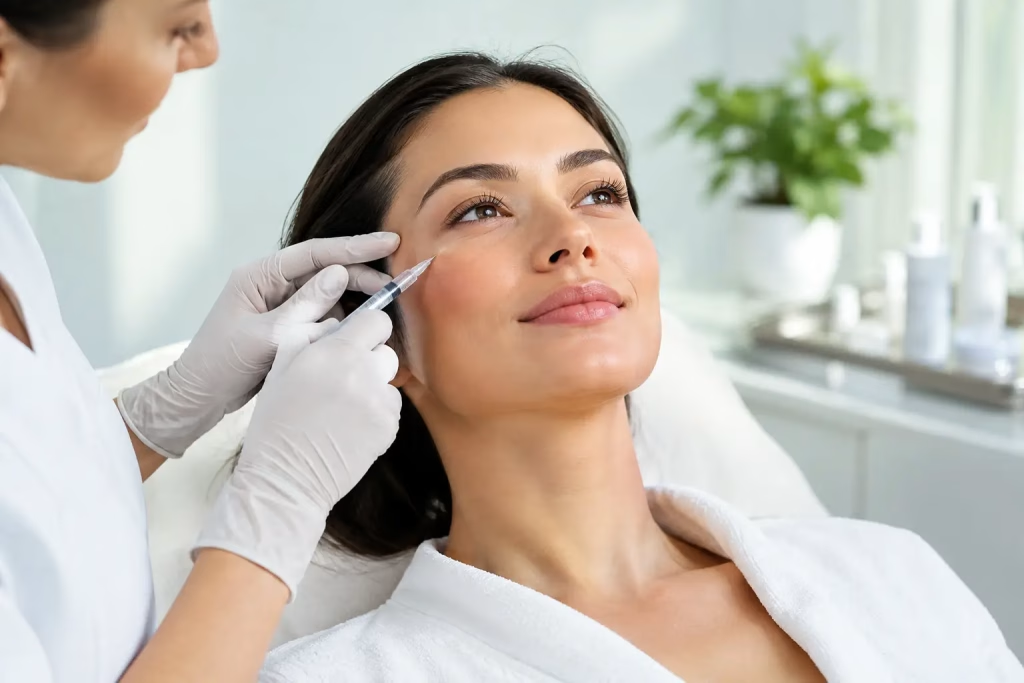
A noticeably refreshed complexion should never require an explanation. The most compelling medical aesthetics trends in 2026 are moving away from obvious transformation and toward a more considered result: skin that looks rested, facial contours that remain recognizably yours, and treatment plans designed around long-term skin health rather than a single appointment.
For discerning patients, this shift is welcome. Aesthetic care is becoming less about following a procedure of the moment and more about choosing the right combination of technologies, injectables, and skin-supporting treatments for your concerns, timeline, and comfort level. The best results are often quiet, gradual, and highly personal.
Medical Aesthetics Trends Are Becoming More Intentional
The era of one-size-fits-all beauty is losing relevance. Patients are arriving with better information, stronger preferences, and a more sophisticated understanding of what they do and do not want. They may want to soften a tired appearance without looking overfilled, improve laxity without surgery, or address pigmentation while preserving a natural glow.
This has made consultation-led care more valuable. A doctor-led assessment can distinguish between concerns that may look similar in the mirror but require different approaches. For example, a shadow beneath the eyes may be related to volume loss, pigmentation, skin thinning, or facial structure. Treating every under-eye concern with filler would not be appropriate, and in some cases, it may make the area appear heavier.
The same principle applies to facial slimming, skin tightening, acne scarring, and body contouring. An effective plan starts with diagnosis, then considers the sequence of treatments. A patient may benefit from improving skin quality before addressing volume, or from combining energy-based treatments with a carefully placed injectable rather than relying on one modality alone.
Natural-Looking Injectables Remain a Priority
Injectables continue to be a central part of aesthetic care, but the aesthetic preference has changed. Rather than seeking dramatic projection or a heavily sculpted look, many patients now favor strategic refinement. The objective is to support balance, soften selected lines, and preserve expression.
Neuromodulators can help relax dynamic wrinkles, particularly around the forehead and eyes, while dermal fillers may restore structure in areas affected by age-related volume changes. Yet dosage, placement, facial proportions, and muscle movement all matter. A result that suits one face may not suit another.
The growing interest in skin boosters reflects this more subtle approach. These treatments are chosen not to alter facial shape but to support hydration, luminosity, and smoother-looking skin. They can be particularly appealing for patients who feel their complexion appears dehydrated or dull despite a consistent home routine.
A thoughtful injectable plan should also respect timing. Major events, travel, and first-time treatment experiences all influence when and how a procedure should be performed. A conservative approach can be adjusted over time. An aggressive first appointment is much harder to reverse.
Skin Quality Is Taking Center Stage
A smooth, luminous complexion has become a marker of modern aesthetics. It is also one of the most nuanced goals to treat because “glow” can involve hydration, even tone, refined pores, smoother texture, and skin that reflects light more evenly.
This is why multi-layered skin programs are increasingly favored over a single corrective treatment. Hydrafacial treatments, for example, can support regular cleansing and hydration, while LDM may be incorporated into plans focused on sensitive, compromised, or dehydrated skin. The ideal frequency depends on the skin’s condition, season, lifestyle, and concurrent treatments.
For concerns such as pigmentation, enlarged pores, textural irregularities, and acne scars, energy-based treatments remain highly relevant. Pico Laser can be considered for pigment-related concerns and tattoo removal, while Sylfirm X combines microneedling with radiofrequency to address selected texture, pore, and skin rejuvenation concerns. No device should be treated as a universal answer, however. Skin tone, sensitivity, downtime tolerance, and the cause of the concern all shape the recommendation.
This trend also reflects a broader understanding that procedures work best when they are supported by appropriate skincare and sun protection. A treatment can initiate visible change, but daily habits help protect the investment.
Non-Surgical Skin Tightening Is Becoming More Personalized
The appeal of non-surgical lifting and tightening is easy to understand. Many patients want to address early signs of laxity around the cheeks, jawline, neck, or eye area without undergoing surgery or taking extended time away from work.
Technologies such as Thermage and Ultherapy remain important options in this space, but expectations should be realistic. Results are often progressive rather than immediate, as collagen remodeling takes time. The degree of improvement also depends on age, baseline laxity, skin quality, and anatomy.
The trend is not simply toward more treatments. It is toward better treatment selection. Someone with mild laxity and good skin thickness may be an excellent candidate for an energy-based procedure. Someone with more advanced volume loss or significant excess skin may need a different strategy to achieve a satisfying result. An ethical consultation should make these distinctions clear.
Combination planning is increasingly common. Skin tightening may be paired with skin boosters, collagen-supporting procedures, or carefully selected injectables to address several dimensions of facial aging. The goal is harmony, not a collection of unrelated procedures.
Regenerative Thinking Is Shaping Treatment Plans
Patients are increasingly interested in treatments that support the skin’s own renewal processes. This does not mean there is a shortcut to permanent youthfulness. It means that collagen stimulation, barrier support, and gradual improvements in texture and firmness are becoming as desirable as immediate correction.
Microneedling radiofrequency, ultrasound-based lifting, radiofrequency tightening, and selected laser treatments all fit within this broader regenerative mindset. They are often selected for patients who value progressive, natural-looking change and are willing to follow a treatment schedule rather than expect a single dramatic result.
This approach can be especially useful for acne scars. Scar revision often requires patience because scars may be tethered, depressed, pigmented, or texturally uneven. A personalized program may involve more than one treatment type and several sessions. The most responsible conversation is one that discusses improvement, not perfection.
Body and Hair Treatments Are Entering the Maintenance Era
Medical aesthetics is no longer focused solely on the face. Body contouring, skin rejuvenation, and hair restoration are increasingly part of a complete personal care plan, particularly for patients who want discreet solutions that fit around demanding professional and social calendars.
For body concerns, patients are often seeking refinement rather than a substitute for weight management. Non-surgical body treatments may help target selected areas or support skin appearance, but they are most effective when expectations are aligned with what the technology can realistically achieve.
Hair concerns are also being addressed earlier. Thinning can affect confidence long before it becomes obvious to others, and early assessment may offer more options than waiting until hair loss is extensive. The right approach depends on the pattern, cause, medical history, and stage of thinning, which is why professional evaluation matters.
The Luxury Standard Is Comfort With Clinical Substance
A premium aesthetic experience is no longer defined only by an elegant setting. Patients want privacy, attentive service, and a sense that their concerns have been heard. They also want clinical credibility: clear treatment rationale, appropriate safety protocols, honest discussion of downtime, and guidance that does not feel pressured.
At Kelly Oriental Aesthetic Clinic, this philosophy is reflected in bespoke treatment journeys that pair medical expertise with a restorative clinic experience. The most valuable luxury is not excess. It is the confidence of knowing that every recommendation has a purpose.
As the field continues to evolve, the strongest trend remains timeless: choose care that respects your features, your skin, and your pace. A well-designed aesthetic plan should leave you looking like yourself on a particularly good day, with results that continue to make sense long after the latest trend has passed.
