
Uncategorized
Best Treatments for Fine Lines Around Mouth
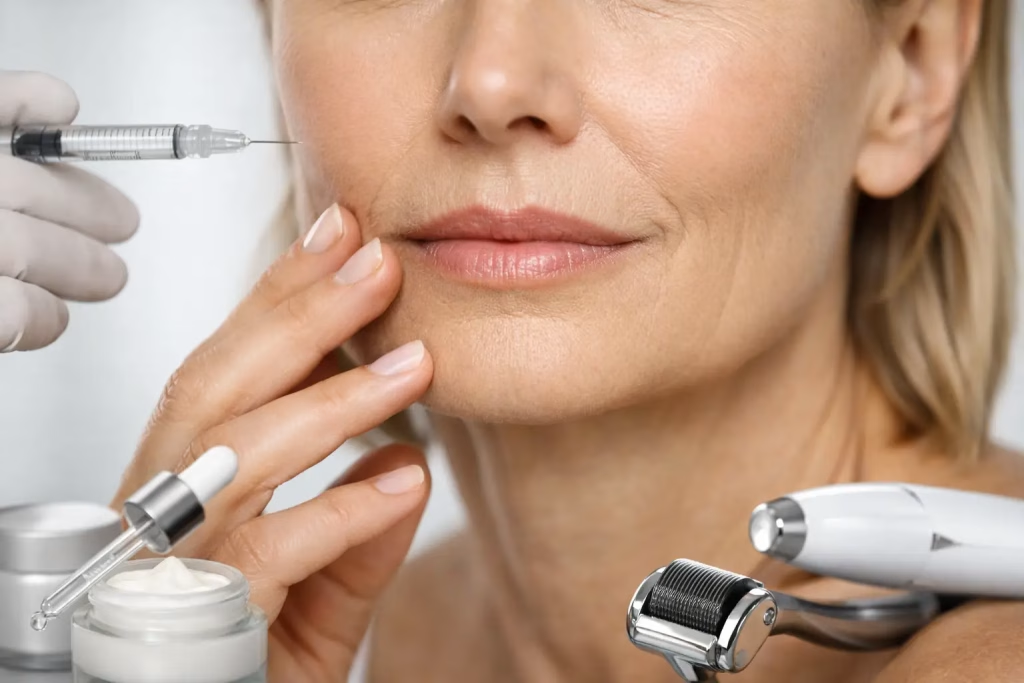
The lines that appear around the mouth can feel especially noticeable because they move with every conversation, smile, sip, and expression. Effective treatments for fine lines around mouth are rarely about simply filling a crease. The most refined results come from understanding whether the concern is dehydration, repetitive muscle movement, collagen loss, sun damage, or a gradual change in facial support.
For many patients, the goal is not to erase every line. It is to soften the etched appearance of the skin while preserving the natural character and movement of the face. A thoughtful treatment plan can refresh the perioral area without creating an overfilled or unnatural look.
Why Fine Lines Form Around the Mouth
The skin around the lips is thin, expressive, and constantly in motion. Over time, repeated pursing, speaking, smiling, and drinking through a straw can contribute to vertical lip lines, sometimes called lipstick lines. Collagen and elastin production also decline with age, so the skin does not rebound as easily after movement.
Sun exposure is another major factor. UV damage can weaken collagen and contribute to a crepey texture, uneven tone, and more deeply set lines. Smoking can accelerate these changes, but fine lines around the mouth occur in nonsmokers as well. Genetics, skin dryness, hormonal changes, and natural volume loss through the cheeks and lower face can all play a role.
This is why one person may benefit most from skin resurfacing while another needs subtle support with an injectable treatment. A doctor-led assessment should look beyond the individual line to the quality, movement, and structure of the surrounding skin.
Treatments for Fine Lines Around Mouth: A Tailored Approach
Skin Boosters for Hydration and Skin Quality
When fine lines look more visible in dry or dehydrated skin, skin boosters can be an elegant starting point. These injectable treatments are designed to improve hydration, suppleness, and luminosity within the skin rather than create obvious volume. As skin becomes better hydrated, very fine creasing around the mouth may appear softer and smoother.
Skin boosters are particularly suited to patients who want a subtle improvement in texture or who are not ready for volumizing filler. Results develop gradually and are often best maintained through a series of treatments and an individualized maintenance schedule. They will not replace lost structure or erase deeply etched lines, but they can improve the overall canvas.
Collagen-Stimulating Treatments for Crepey Texture
Fine lines that are visible even when the face is at rest often reflect changes in collagen. Collagen-stimulating treatments can help improve skin density and texture over time, making them valuable for the delicate perioral region.
Radiofrequency microneedling, such as Sylfirm X, creates controlled micro-injuries while delivering radiofrequency energy into targeted layers of the skin. This encourages collagen remodeling and may improve fine lines, enlarged pores, and textural concerns. Because collagen renewal is gradual, results tend to unfold over several weeks to months rather than overnight.
The right settings, depth, and number of sessions depend on skin thickness, sensitivity, pigmentation concerns, and the severity of the lines. For patients with deeper creasing, collagen induction is often paired with another modality rather than used alone.
Laser Resurfacing for More Defined Lines
Laser-based treatments can be highly effective when sun damage, uneven texture, and etched vertical lines are part of the picture. By creating controlled renewal in the skin, resurfacing treatments can encourage collagen production and improve surface smoothness.
The ideal approach depends on your lifestyle and tolerance for downtime. Some laser treatments are designed for a gentler, more gradual refresh with minimal disruption, while more intensive resurfacing may offer a greater correction with a longer recovery period. A consultation is essential for evaluating skin tone, history of pigmentation, and the level of treatment appropriate for your goals.
Pico Laser may be considered within a wider skin rejuvenation plan, particularly where pigmentation and overall skin quality are concerns. It is not a universal answer for every wrinkle, but it can complement treatments focused on texture and collagen support.
Neuromodulators for Lines Caused by Movement
If repeated pursing of the lips is a primary driver, carefully placed neuromodulator injections may help reduce the muscle activity that folds the skin. This is a precise area to treat. The mouth is involved in speaking, eating, drinking, and expression, so dosing must be conservative and performed by an experienced medical professional.
For the right candidate, a small amount can soften the repetitive pull contributing to vertical lines. For someone with already significant skin laxity or deep static wrinkles, it may provide only a modest benefit on its own. It is often most effective as one component of a combined plan.
Dermal Fillers for Structural Support, Not Overfilling
Dermal filler can soften selected lines and restore subtle support around the mouth, but it should be approached with restraint. Directly filling every visible crease can add heaviness or create an unnatural result, particularly in a region where facial movement is constant.
Instead, a skilled injector may assess volume changes in the cheeks, chin, jawline, and corners of the mouth. Restoring support in these areas can reduce the pull that contributes to folds and shadows around the lips. When appropriate, a very small amount of filler may be placed directly around the mouth for refinement.
The key is proportion. The most beautiful outcomes preserve the soft movement of the lips and lower face while making the area look rested, not treated.
How to Choose the Right Treatment Plan
The best option depends on what you see in the mirror. If the lines are fine and become more obvious with dryness, skin boosters and medical-grade skincare may be enough to begin. If the skin appears thin, crepey, or sun-damaged, collagen-stimulating treatments or laser resurfacing may be more relevant. If the lines deepen mainly with pursing, conservative neuromodulator treatment may be considered.
For deeper lines with loss of support around the lower face, a carefully planned combination may provide the most balanced result. This could involve restoring hydration, improving skin texture over time, and addressing structural volume only where needed. Staging treatments can also be preferable to doing everything at once, allowing the skin to respond gradually and the plan to be adjusted thoughtfully.
At Kelly Oriental Aesthetic Clinic, treatment planning begins with the individual rather than a fixed protocol. Your doctor should consider your facial anatomy, skin quality, aesthetic preferences, prior treatments, and comfort with recovery time before recommending a course of care.
Daily Habits That Help Protect Results
Clinical treatments work best when paired with consistent skin care and sun protection. Broad-spectrum sunscreen helps limit the UV exposure that contributes to collagen breakdown and uneven texture. A gentle cleanser, moisturizer that supports the skin barrier, and professionally selected active ingredients can support smoother-looking skin between appointments.
Avoid over-exfoliating the perioral area. This skin can become irritated easily, and irritation may make lines appear more pronounced temporarily. If you use a retinoid or other active treatment, introduce it gradually and seek professional advice if the area becomes persistently dry or sensitive.
Smoking cessation, adequate hydration, and a balanced approach to nutrition also support skin health. These habits will not replace an in-clinic treatment, but they can help preserve the quality of your results.
What to Expect From Treatment
A successful outcome is usually progressive rather than dramatic overnight. Hydration-focused treatments may bring a freshened appearance relatively quickly, while collagen-stimulating procedures typically require patience as remodeling takes place. Injectable treatments can offer earlier refinement, yet they should be placed conservatively and reviewed over time.
Temporary redness, swelling, tenderness, or bruising can occur, depending on the treatment selected. Your provider should explain expected recovery, aftercare, and any reasons a specific procedure may not be suitable for you. The safest, most satisfying results are grounded in realistic expectations and precise treatment selection.
Fine lines around the mouth are a nuanced concern, but they do not need a one-size-fits-all answer. With the right combination of medical expertise, technology, and restraint, the area can look smoother, more hydrated, and naturally refreshed while still looking entirely like you.
