
Uncategorized
A Guide to Radiofrequency Microneedling
Acne scars that catch the light differently, pores that seem more visible by late afternoon, and early laxity around the lower face can be frustrating because topical skincare alone may not fully address them. This guide to radiofrequency microneedling explains how this clinically guided treatment works, what results can realistically look like, and why a personalized plan matters as much as the device itself.
What Is Radiofrequency Microneedling?
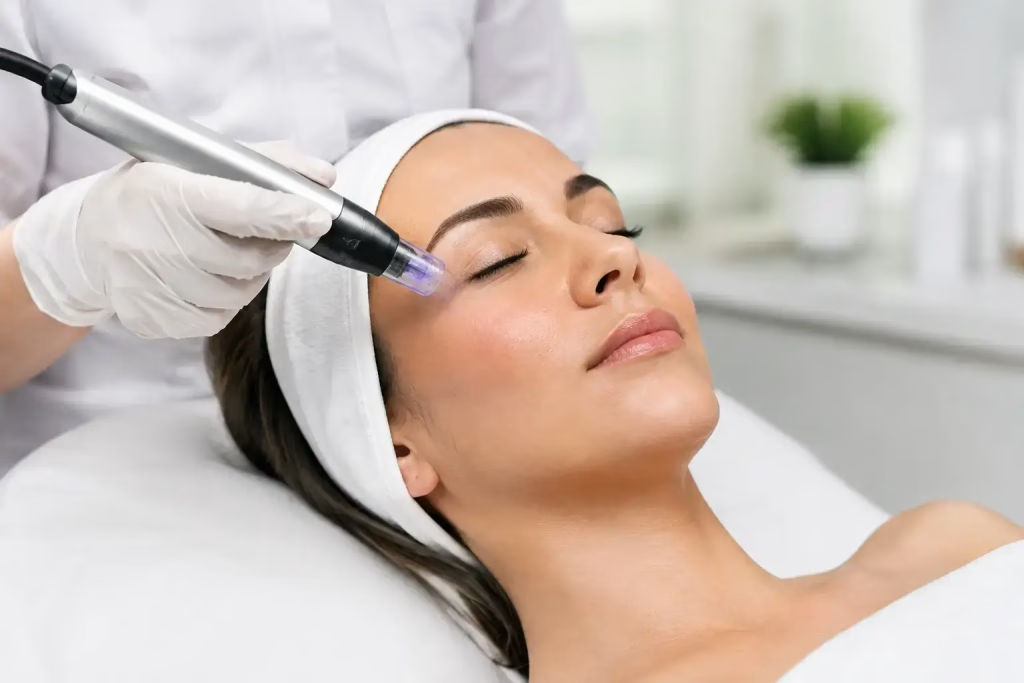
Radiofrequency microneedling is a skin-rejuvenation treatment that pairs two proven mechanisms. Fine, sterile needles create controlled microchannels in the skin while radiofrequency energy is delivered at selected depths. The energy gently heats the deeper layers of the skin, supporting the production and remodeling of collagen and elastin.
Collagen is the structural protein that helps skin feel firm and look smooth. As collagen renewal naturally slows over time, skin may begin to show fine lines, enlarged pores, uneven texture, or a loss of definition. By stimulating a measured wound-healing response beneath the surface, radiofrequency microneedling can improve skin quality without removing the uppermost layer of skin in the way some more aggressive resurfacing treatments do.
At a doctor-led aesthetic clinic, treatment settings should never be one-size-fits-all. Needle depth, energy level, pulse duration, and the number of passes can be adjusted according to the treatment area, skin concern, skin thickness, and individual tolerance. This degree of control is particularly valuable for concerns that vary across the face, such as acne scars on the cheeks and fine lines around the eyes.
A Guide to Radiofrequency Microneedling Benefits
The appeal of radiofrequency microneedling is its versatility. It is commonly considered for textural concerns, including enlarged pores, fine lines, crepey skin, uneven texture, and certain types of acne scarring. It may also support firmer-looking skin along areas prone to early laxity, including the cheeks, jawline, neck, and selected body areas.
Results are generally gradual rather than dramatic overnight. In the first days after treatment, skin can look temporarily smoother or more radiant as swelling settles. The more meaningful changes occur over the following weeks and months as collagen remodeling progresses. For many patients, a series of sessions produces a more noticeable refinement than a single treatment.
That said, radiofrequency microneedling is not the same as a surgical lift, and it cannot erase every scar or deeply established wrinkle. Depressed acne scars may respond best when radiofrequency microneedling is incorporated into a broader plan that may include subcision, laser treatments, targeted peels, or other procedures selected by a medical professional. The best approach depends on the scar type, degree of skin laxity, pigmentation risk, and desired downtime.
Why Radiofrequency Changes the Treatment Conversation
Traditional microneedling relies on the controlled action of needles alone. Adding radiofrequency energy allows treatment to reach deeper tissue with thermal stimulation, while the skin surface is comparatively preserved. This may make it an appealing option for patients seeking collagen-focused rejuvenation with manageable recovery time.
It is not automatically the best choice for every concern. Pigmentation, redness, active acne, volume loss, and pronounced sagging each have different causes. A thoughtful consultation distinguishes what radiofrequency microneedling can improve from what may need another technology or a combined treatment strategy.
What Happens During an Appointment?
A refined treatment journey starts well before the device is applied. Your clinician should assess your medical history, current skincare routine, previous aesthetic treatments, tendency toward pigmentation or scarring, active skin conditions, and treatment goals. This is the time to mention prescription medications, recent isotretinoin use, recurrent cold sores, allergies, pregnancy, breastfeeding, and any implanted electronic medical devices.
On the day of treatment, skin is cleansed and a topical numbing cream is typically applied to promote comfort. Once the area is prepared, the practitioner moves the handpiece across the skin in a planned pattern. Patients often describe a combination of pressure, warmth, and brief pinprick sensations. More sensitive areas, such as the forehead or upper lip, may feel stronger than the cheeks.
A full-face appointment often takes about 45 to 90 minutes when preparation time is included. Treatment time itself is usually shorter, although it varies according to the areas being addressed and the protocol recommended for you.
Premium care is not simply about making the appointment pleasant. It is about careful treatment mapping, appropriate settings, hygienic technique, clear aftercare, and a clinician who can adjust the plan when your skin indicates that a gentler or more targeted approach is warranted.
Recovery: What Your Skin May Need Afterward
Most patients experience redness and a warm, sun-kissed sensation immediately after treatment. Mild swelling, pinpoint marks, dryness, or a slightly rough texture can also occur. These effects commonly improve within one to several days, though recovery can be longer when stronger settings or more intensive protocols are used.
For the first 24 hours, keep skincare simple and protective. Use a gentle cleanser, a bland moisturizer, and broad-spectrum sunscreen as directed by your provider. Avoid makeup if your clinician advises it, and do not pick, scrub, exfoliate, or introduce strong active ingredients before the skin has recovered. Retinoids, exfoliating acids, and potentially irritating vitamin C formulas are commonly paused for a period recommended by your treatment team.
Heat can intensify temporary redness. It is usually sensible to postpone strenuous exercise, hot yoga, saunas, steam rooms, and prolonged sun exposure for the initial recovery window. If you have a social event approaching, allow enough time for your skin to settle rather than scheduling treatment the day before.
How Many Sessions Will You Need?
A series of three treatments, often spaced several weeks apart, is a common starting point for collagen renewal and texture concerns. However, the right number is highly individual. Mild pore concerns may need a lighter protocol than rolling acne scars, while skin maintenance may involve occasional follow-up sessions after an initial series.
Your timeline should also account for collagen biology. It can take two to three months to appreciate early remodeling, with continued improvement possible beyond that point. Treatment photographs taken in consistent lighting and positioning can be more useful than judging results from day to day.
For patients seeking a more comprehensive refresh, radiofrequency microneedling may be scheduled alongside complementary treatments at different intervals. Hydration-focused facials and skin boosters can address dryness and glow, while selected energy-based treatments or injectables may be better suited to pigmentation, dynamic wrinkles, volume loss, or more pronounced tightening needs. Combining treatments should be deliberate, not excessive. Skin needs recovery time, and the order of treatments can influence both comfort and outcomes.
Who Should Postpone or Avoid Treatment?
A qualified provider will determine suitability, but radiofrequency microneedling is often postponed for active acne breakouts, open wounds, skin infections, severe eczema flares, or recent sunburn in the proposed treatment area. Individuals who are pregnant or breastfeeding are generally advised to defer elective energy-based treatments. Certain medical conditions, medications, bleeding disorders, implanted devices, or a history of abnormal scarring may also change the recommendation.
Darker skin tones can be treated thoughtfully, but they require an especially careful assessment of inflammation and post-inflammatory hyperpigmentation risk. Experience, conservative settings where appropriate, pre-treatment skin preparation, and diligent sun protection all matter. No responsible clinic should promise identical results across every skin type or concern.
Choosing a Thoughtful Treatment Plan
The device name matters, but it is only one part of the decision. Look for a clinic that begins with an in-person assessment, explains why a specific protocol is being recommended, and speaks candidly about expected improvement, recovery, cost, and alternatives. Before-and-after photographs should represent comparable lighting, angles, and timelines rather than immediate post-treatment swelling.
At Kelly Oriental Aesthetic Clinic, a treatment plan can be curated around the quality of your skin, your lifestyle, and the level of downtime you can accommodate. The goal is not to pursue every available procedure. It is to choose treatments with a clear purpose and allow visible results to develop with care.
Healthy-looking skin rarely comes from a single appointment. It is built through precise treatment choices, patient aftercare, daily sun protection, and the confidence of knowing your plan is designed for your skin rather than someone else’s.
