
Uncategorized
Enlarged Pores Treatment That Works
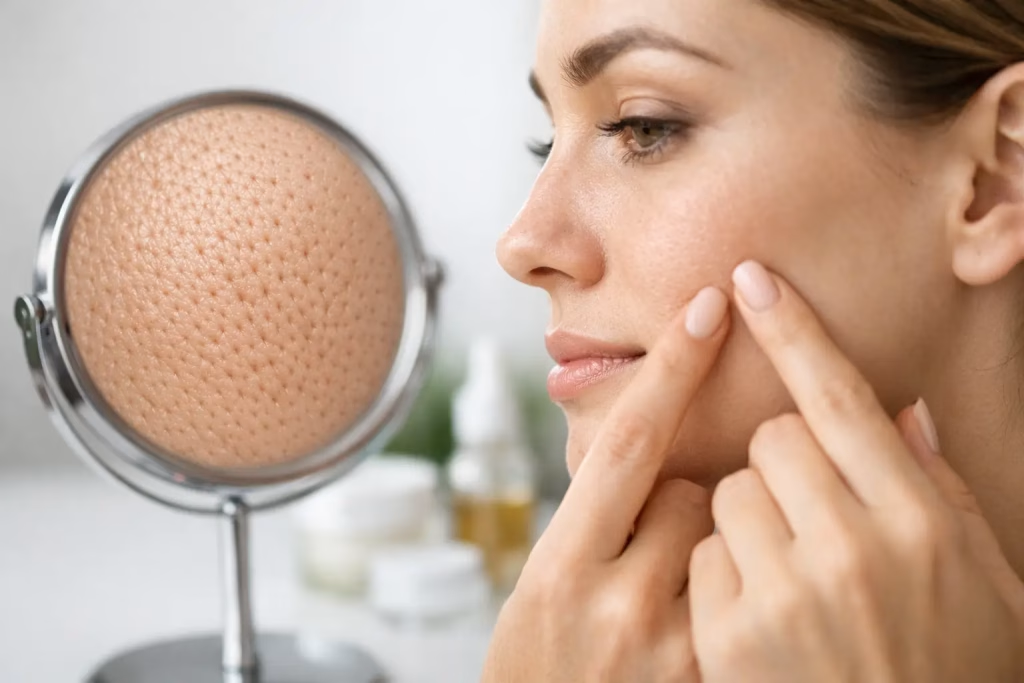
If your makeup settles unevenly, your skin looks textured under daylight, or your T-zone seems glossy no matter what you use, enlarged pores are often the real concern behind it. Effective Enlarged Pores Treatment starts with a simple truth: pores do not literally open and close, but they can appear larger when oil, congestion, collagen loss, and sun damage change the skin around them.
That distinction matters because pore size is not one single problem with one single fix. For some people, the issue is excess sebum and congestion. For others, it is acne scarring, age-related skin laxity, or rough texture that makes pores more obvious. The right approach is rarely about chasing a miracle product. It is about identifying what is making pores look more prominent, then matching treatment to that cause.
What causes pores to look enlarged
Pores are tiny openings in the skin that release oil and sweat. Their baseline size is partly genetic, which means some people naturally have more visible pores, especially around the nose, cheeks, and forehead. But genetics are only part of the picture.
Oilier skin tends to show pores more clearly because excess sebum stretches the pore lining over time. Dead skin buildup can also collect around the opening, making pores look broader and more shadowed. This is one reason pores often appear worse during periods of stress, heat, hormonal fluctuation, or inconsistent skincare.
Collagen loss is another major factor. As skin loses firmness with age and sun exposure, the tissue surrounding pores becomes less supportive. The result is a looser, less refined surface where pores look elongated rather than simply round. In patients with a history of acne, mild scarring can further exaggerate texture and create the impression of enlarged pores even when congestion is no longer active.
Why skincare alone sometimes falls short
Good skincare can improve the appearance of pores, but there are limits. If enlarged pores are mostly caused by oil and buildup, well-formulated topical care may make a visible difference. If they are linked to laxity, acne scars, or deeper textural change, creams and cleansers alone are less likely to deliver the refinement patients are hoping for.
This is where expectations need to be realistic. No ethical provider should promise to erase pores completely. Healthy skin has pores. The real goal is to make them look cleaner, tighter, and less noticeable by improving oil balance, boosting skin renewal, and strengthening the skin structure around them.
At-home care that supports pore refinement
A thoughtful home routine remains the foundation of any Enlarged Pores Treatment plan. Gentle cleansing helps prevent oil, sunscreen, and debris from lingering in the pores, but overly harsh washing can trigger more oil production and irritation. Skin that feels stripped is not necessarily cleaner. It is often just inflamed.
Chemical exfoliants can help when congestion is part of the picture. Salicylic acid is especially useful because it is oil-soluble and can work inside the pore lining. Retinoids can also improve texture by encouraging cell turnover and regulating clogged pores over time. Niacinamide is another valuable ingredient for patients who want a more refined, balanced complexion with less visible shine.
Daily sun protection is non-negotiable. UV exposure accelerates collagen breakdown, and that loss of support makes pores look more pronounced. In practice, many people invest in corrective treatments but undermine their progress by neglecting sunscreen. For pore concerns linked to aging and texture, that is a costly mistake.
Professional Enlarged Pores Treatment options
When home care reaches a plateau, in-clinic treatment can create a more meaningful change. The most effective approach depends on whether your pores are driven by congestion, post-acne texture, early laxity, or a combination of concerns.
Hydrating and deep-cleansing facials can be a strong starting point for patients whose pores are filled with oil and debris. Treatments such as Hydrafacial help clear congestion while infusing the skin with hydration, which can leave pores looking cleaner and less obvious. This is especially helpful for city living, humid climates, and patients who wear sunscreen and makeup daily.
Laser treatments are often considered when texture, acne scarring, and uneven skin quality are contributing factors. Pico Laser, when appropriately selected, can support skin renewal and improve overall smoothness. For some patients, that translates into pores appearing finer because the surrounding skin becomes more even and refreshed. The benefit here is not just surface exfoliation but a broader improvement in tone and texture.
For patients dealing with redness, sensitivity, inflammation, or weakened skin quality alongside pore concerns, energy-based platforms such as Sylfirm X may be considered as part of a more comprehensive skin program. This can be valuable when enlarged pores do not exist in isolation but sit within a larger picture of compromised skin health.
Skin boosters may also play a role. When the skin is dehydrated, dull, and lacking bounce, pores can stand out more sharply. Injectable skin boosters do not target pores in the same way a resurfacing treatment does, but they can improve overall skin quality and luminosity, helping the complexion look smoother and more refined.
Radiofrequency and ultrasound-based tightening treatments may be relevant when pore visibility is tied to collagen loss and mild laxity. In these cases, the treatment target is not the pore itself but the supporting framework of the skin. As firmness improves, pores may appear less stretched and less conspicuous. This is where a customized plan matters, because a patient in their twenties with oily congestion needs a very different strategy from a patient in their forties noticing enlarged pores with early sagging.
Which treatment is best for your skin type?
There is no universal best treatment, only the best fit for the skin in front of you. Oily, congestion-prone skin often responds well to regular exfoliation, deep cleansing, and sebum-balancing skincare, with clinic treatments used to maintain clarity. Patients with acne scar texture may need laser-based resurfacing or collagen-stimulating procedures for a more significant result.
If your pores look worse with age rather than breakouts, collagen-focused treatments tend to make more sense than repeated extraction facials. If your skin is reactive or easily inflamed, aggressive resurfacing may not be the first step. The most elegant results often come from sequencing treatments carefully rather than doing everything at once.
This is why a doctor-led consultation adds value. Enlarged pores can look similar in the mirror but behave very differently biologically. Treating the wrong cause usually leads to frustration, wasted time, and temporary improvement at best.
What results should you realistically expect?
The most satisfying outcomes are refinement, not perfection. With the right treatment plan, pores can look smaller, clearer, and less textured. Skin may reflect light more evenly, makeup may sit better, and the overall complexion can appear fresher and more polished.
Results also depend on consistency. A single treatment can create a visible boost, but pores are influenced by ongoing oil production, environmental exposure, and the natural aging process. Maintenance matters. In many cases, the best results come from combining periodic in-clinic treatments with disciplined daily skincare.
There are also trade-offs to consider. More intensive resurfacing may offer stronger textural improvement but can involve downtime. Gentle maintenance treatments may suit busy professionals better, though they usually require a series. The right plan balances visible results with your lifestyle, comfort level, and skin tolerance.
A more refined way to approach enlarged pores
For patients seeking visible improvement, enlarged pores should be treated as a skin quality issue, not just a cleansing issue. That shift changes everything. Instead of scrubbing harder or constantly switching products, the focus becomes clearer: regulate oil, reduce congestion, support collagen, and improve the condition of the surrounding skin.
In a premium clinical setting such as Kelly Oriental Aesthetic Clinic, that process is designed to feel precise rather than overwhelming. The most effective pore-refining journeys are not built on trends. They are built on diagnosis, customization, and treatments selected with restraint and intention.
If your pores have remained stubborn despite facials, acids, or expensive skincare, it may be time to look beyond the surface. Often, the breakthrough comes when treatment stops chasing the pore itself and starts restoring the skin around it.
