

Uncategorized
How to Manage Oily Skin Without Overcorrecting
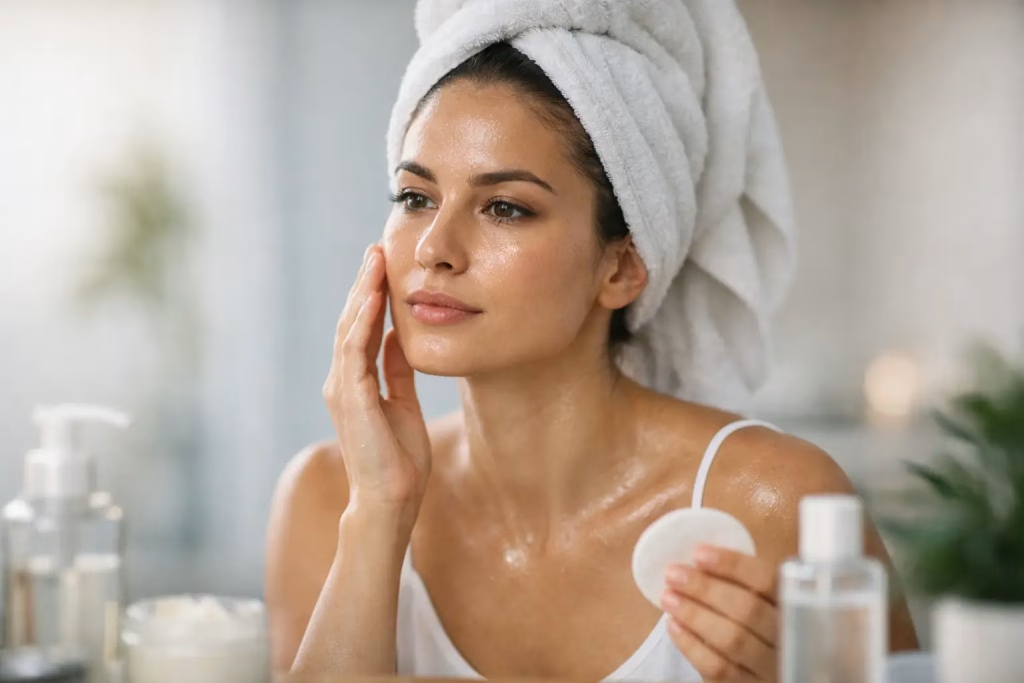
A complexion can look polished at 8 a.m. and noticeably shiny by lunch, even with careful makeup and a consistent routine. Learning how to manage oily skin is less about removing every trace of oil and more about guiding the skin back to a comfortable, balanced state. When oil is treated too aggressively, the result can be dehydration, sensitivity, and sometimes even more visible shine.
For many adults, oily skin is not simply a teenage concern. It may appear alongside enlarged pores, recurring congestion, hormonal breakouts, uneven texture, or makeup that slips throughout the day. The most effective approach is measured and personalized: support the skin barrier, keep pores clear, and choose professional care when home routines are no longer delivering the refinement you want.
Why oily skin can become difficult to control
Sebum is a natural oil produced by the skin to maintain flexibility and protect against moisture loss. Oily skin develops when sebaceous glands produce more of it than the skin needs. Genetics play a role, but climate, stress, hormones, sleep patterns, certain medications, and overly drying skincare can all influence how much oil appears on the surface.
This is why a routine that worked a few years ago may suddenly feel inadequate. Singapore’s humid climate, frequent air-conditioned environments, and a full professional schedule can create a cycle in which skin feels oily on the surface yet tight underneath. Heavy makeup, sunscreen that is not suited to your skin type, and irregular cleansing after exercise can add to congestion.
Oil itself is not the enemy. A healthy amount gives the complexion softness and resilience. The goal is to reduce excess shine and clogged pores without stripping the skin into a reactive state.
How to manage oily skin with a balanced daily routine
A thoughtful routine does not need to be complicated. It needs to be consistent, gentle enough to protect the barrier, and active enough to address the concerns that come with excess sebum.
Cleanse without leaving skin tight
Cleanse twice daily, and after a particularly sweaty workout if needed. Choose a gentle gel or low-foaming cleanser that removes sunscreen, makeup, and excess oil without the squeaky-clean feeling. That tight sensation is often a sign that the skin has been stripped of its protective lipids.
If you wear long-lasting makeup or water-resistant sunscreen, a two-step evening cleanse can be useful. Begin with a lightweight cleansing oil, balm, or micellar formula, then follow with your regular cleanser. Contrary to common belief, an appropriate cleansing oil does not automatically make oily skin oilier. It can help dissolve makeup and sunscreen more thoroughly, provided it is rinsed well and followed by a suitable second cleanse.
Use targeted exfoliation, not daily abrasion
Salicylic acid is a valuable ingredient for oily and congestion-prone skin because it is oil-soluble and can work within the pore lining. Used a few evenings each week, it may help improve blackheads, whiteheads, and visible texture.
More is not necessarily better. Daily acid use, harsh facial scrubs, cleansing brushes, and frequent peel-off masks can compromise the barrier, especially when used together. If your skin is stinging, flaking, or suddenly producing more oil after cleansing, reduce the frequency of exfoliation and simplify the routine. Sensitive or rosacea-prone skin may need a gentler plan altogether.
Hydrate with light, barrier-supporting formulas
Skipping moisturizer is one of the most common missteps with oily skin. Surface oil and hydration are different things: skin can be shiny while still lacking water. When dehydration is present, fine lines can look more pronounced, makeup can separate, and the complexion may feel uncomfortable despite the shine.
Look for a lightweight lotion, gel-cream, or fluid moisturizer with ingredients such as glycerin, hyaluronic acid, ceramides, niacinamide, or panthenol. These support hydration and barrier function without the heavy finish some richer creams can leave behind. The ideal texture depends on your individual skin, the season, and whether you are using prescription acne treatments or exfoliating acids.
Wear sunscreen every morning
A broad-spectrum sunscreen is essential, particularly if your routine includes exfoliating acids, retinoids, or professional treatments. For oily skin, modern fluid, gel, and soft-matte textures can provide protection without a greasy feel. Give sunscreen a few minutes to set before makeup, and consider a formula designed to sit comfortably under foundation.
Sunscreen also matters for post-breakout marks. Picking at congestion and leaving skin unprotected can make discoloration linger longer, especially in deeper skin tones.
Make practical adjustments throughout the day
The urge to repeatedly wash or wipe the face can be understandable, but it usually does more harm than good. Blotting papers or clean, soft tissues can lift surface oil without disturbing sunscreen and makeup as much as frequent cleansing. Press gently rather than rubbing.
A finely milled setting powder can help those who prefer a more matte finish, while a hydrating makeup base may be better for skin that is oily but dehydrated. If makeup starts separating by midday, the answer may not be more powder. Review the layers underneath it: a heavy moisturizer, incompatible primer, or excess product can all affect wear.
It is also worth keeping hair products, phone screens, pillowcases, and makeup tools clean. These details do not cause all breakouts, but they can contribute to avoidable buildup around the hairline, cheeks, and jawline.
When oiliness comes with acne, pores, or texture
Oily skin often travels with other concerns, and that is where generic advice falls short. Enlarged pores may look more apparent when they are filled with oil and dead skin cells, but pore size is also influenced by genetics and loss of skin firmness. A routine can improve their appearance, though it cannot permanently erase their structure.
When breakouts are inflamed, painful, or leaving marks, a doctor-led assessment is more appropriate than adding multiple over-the-counter actives at once. Acne may require a tailored plan that considers hormonal patterns, sensitivity, medications, and the risk of scarring. Persistent jawline breakouts, for example, can have different drivers than congestion across the forehead and nose.
Retinoids, benzoyl peroxide, azelaic acid, and prescription treatments can all have a place, but they are not interchangeable. Each comes with its own benefits and trade-offs. Retinoids can support smoother texture and clearer pores over time, yet may cause irritation during the adjustment period. Benzoyl peroxide can be effective for inflamed blemishes but may dry the skin and bleach fabrics. A clinician can help determine what suits your skin and lifestyle.
Professional care for a more refined skin strategy
When a diligent home routine reaches a plateau, professional treatments can complement it. The right option depends on whether your priority is active congestion, visible pores, post-acne marks, uneven texture, or a combination of concerns.
Medical-grade facials and Hydrafacial treatments can offer a refreshed, deeply cleansed appearance with customized exfoliation and hydration. They can be a useful choice before an event or as part of regular maintenance, though they are not a substitute for managing chronic acne at its source.
For texture, pore visibility, and acne scarring, technologies such as Sylfirm X or selected laser-based treatments may be considered after a detailed consultation. These treatments work differently and require careful planning around skin condition, recovery time, pigmentation risk, and desired outcomes. A premium treatment journey should never rely on a one-size-fits-all protocol.
At Kelly Oriental Aesthetic Clinic, treatment planning is designed around a thorough understanding of the skin, combining medical guidance with therapist-supported care in a considered, calming setting. For oily skin that feels persistently unpredictable, this level of personalization can bring welcome clarity to both treatment choices and maintenance.
Signs it is time to seek professional advice
Consider a consultation if oiliness is accompanied by painful cystic acne, sudden changes in your complexion, persistent redness, itching, scarring, or dark marks that do not fade. It is also sensible to seek guidance if your skin becomes irritated from trying several products or if breakouts are affecting your confidence.
Bring your current products to the appointment, or make a clear list of what you use and how often. This makes it easier to identify overlap between active ingredients and to build a routine that is realistic for your schedule. Good skin management should feel sustainable, not like a daily experiment.
A balanced complexion is rarely created by the strongest cleanser or the most mattifying product. It comes from small, consistent decisions: cleanse gently, hydrate intelligently, protect daily, and seek expert support when your skin asks for more than a shelf of trial-and-error solutions.
