
Uncategorized
Hydrafacial Compared With a Chemical Peel
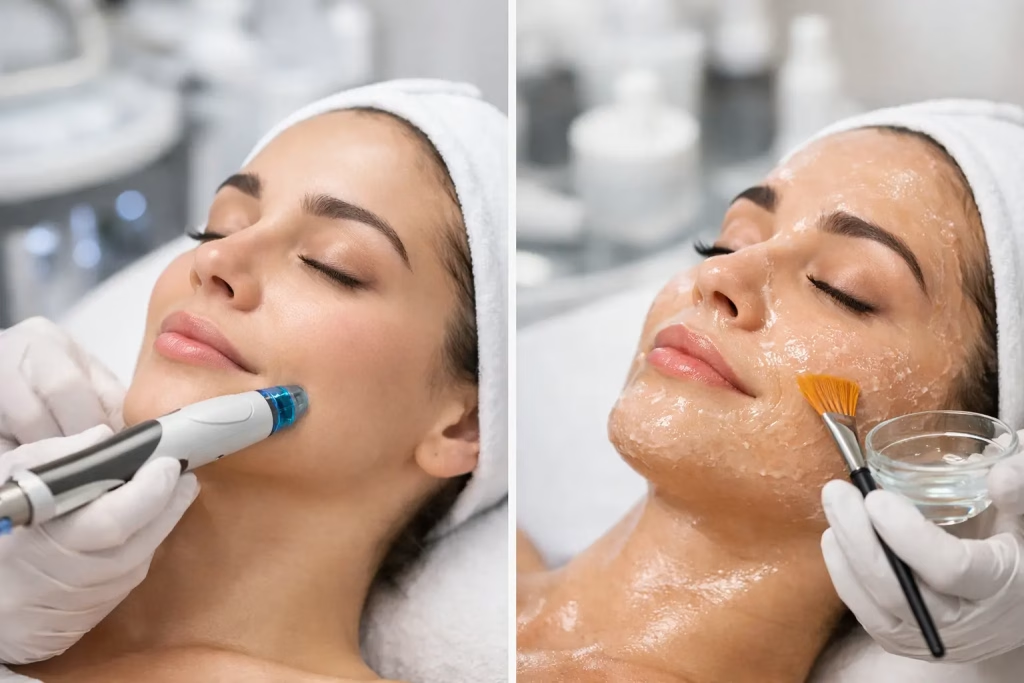
A Hydrafacial compared with a chemical peel is not simply a choice between two ways to exfoliate. One is often chosen for an immediate, polished glow with minimal interruption to your schedule; the other can be selected for a more targeted skin-renewal approach. The right choice depends on what your complexion needs now, how much recovery time you can accommodate, and how sensitively your skin responds to active ingredients.
For professionals balancing full calendars, social events, and a desire for refined, healthy-looking skin, both treatments can have a place in a thoughtful aesthetic plan. They simply work differently.
Hydrafacial Compared With Chemical Peel: The Key Difference
A Hydrafacial is a multistep, noninvasive facial treatment that combines cleansing, exfoliation, extraction, hydration, and the infusion of targeted serums. Using a controlled vortex technology, it lifts surface debris and congestion while replenishing the skin with moisture and antioxidant-rich ingredients. The experience is generally comfortable and leaves the complexion looking fresher, clearer, and more hydrated right away.
A chemical peel uses carefully selected acids or exfoliating agents to encourage the shedding of damaged outer skin cells. Depending on its formulation and strength, a peel can address concerns such as uneven tone, dullness, breakouts, fine lines, and post-acne marks. The treatment creates a controlled renewal process, which may involve visible flaking or peeling in the days that follow.
In simple terms, Hydrafacial is often the preferred option for cleansing and hydrating with little to no downtime. A chemical peel is more focused on stimulating skin turnover and can be tailored from gentle superficial exfoliation to a more intensive resurfacing treatment.
What a Hydrafacial Can Do for Your Skin
A Hydrafacial suits skin that feels congested, dehydrated, lackluster, or uneven in texture. It is particularly appealing before an important occasion, after travel, or when your usual skincare routine is no longer delivering the fresh, rested look you expect.
Because the treatment includes gentle extraction, it can be helpful for those dealing with blackheads and clogged pores. Hydration is also central to the experience, making it a strong option for complexions that look tight, tired, or temporarily sensitized by air conditioning, sun exposure, or active skincare.
Most people notice a smoother surface and more luminous finish immediately after treatment. Makeup tends to sit more evenly, and skin often appears more refreshed rather than treated. This makes Hydrafacial well suited to regular maintenance appointments, especially for those who value visible refinement without having to plan around recovery.
That said, Hydrafacial is not designed to replace every corrective treatment. While it can support clearer-looking pores and a more radiant complexion, more established pigmentation, deep acne scarring, or pronounced lines may require a different or combined clinical approach.
What a Chemical Peel Can Do for Your Skin
Chemical peels offer range. A light peel may refresh a dull complexion with mild, temporary dryness, while a stronger peel may be recommended when there is more noticeable pigmentation, sun-related unevenness, acne, or textural concern. The ingredients, concentration, application time, and number of passes all matter, which is why a professional assessment is essential.
Superficial peels commonly use alpha hydroxy acids, beta hydroxy acids, or related exfoliating ingredients. These can help improve the look of mild discoloration, roughness, enlarged pores, and breakouts. They may also be useful when skin needs a reset after periods of congestion or inconsistent skincare.
The trade-off is that chemical peels can bring more temporary sensitivity than a Hydrafacial. Redness, tightness, dryness, and flaking are possible, particularly with stronger formulations. Results also tend to develop gradually as the skin completes its renewal cycle, rather than appearing instantly on the treatment bed.
For deeper concerns, more intensive is not always better. Selecting an overly aggressive peel for reactive skin, active inflammation, or a schedule that does not allow for visible recovery can create unnecessary stress. A curated plan should respect your skin barrier as much as it addresses the concern you want to improve.
Downtime, Comfort, and Social Calendar Considerations
If your priority is returning to work, dinner, or an event the same day, Hydrafacial generally has the advantage. Some clients experience temporary pinkness, especially after extractions, but this usually settles quickly. There is typically no significant peeling, so the treatment fits naturally into a busy lifestyle.
A chemical peel requires more planning. Even a light peel can leave the skin feeling dry or slightly flushed for a short period. Medium or stronger options may involve several days of visible shedding. During this time, diligent sunscreen use, gentle cleansing, and avoiding picking at flaking skin are essential for a smooth recovery.
Comfort also differs. Hydrafacial is often described as soothing, with a light suction sensation and cooling hydration. A chemical peel may produce tingling, warmth, or stinging while it is applied. These sensations vary by peel type and individual skin tolerance, and they should always be monitored by an experienced provider.
Which Treatment Is Better for Acne and Pores?
For active congestion, blackheads, and skin that feels crowded through the T-zone, Hydrafacial can be an excellent starting point. Its extraction step can create an immediately cleaner appearance, while hydration helps avoid the overly stripped feeling that sometimes follows harsh at-home exfoliation.
Chemical peels can also support acne-prone skin, particularly when oiliness, recurring breakouts, and post-inflammatory discoloration are part of the picture. Salicylic acid-based treatments, for example, may be considered for appropriate candidates because of their affinity for oil. Yet active, irritated acne is not a reason to automatically choose the strongest peel available.
In many cases, the best plan is not Hydrafacial versus chemical peel forever. A clinician may recommend Hydrafacial for regular pore maintenance and hydration, then incorporate a carefully timed peel to focus on discoloration or persistent texture. The sequence should be based on your skin’s condition, not a one-size-fits-all package.
Which Is Better for Pigmentation and Uneven Tone?
Chemical peels may offer a more direct route when uneven tone, superficial sun damage, or lingering acne marks are the central concern. By encouraging controlled exfoliation and renewal, they can gradually improve the appearance of discoloration when paired with appropriate home care and consistent sun protection.
Hydrafacial can still be valuable for dullness and mild unevenness, particularly when dehydration is making pigmentation appear more prominent. It improves the overall quality and reflectivity of the skin, but it is usually not the first stand-alone choice for more established pigmentation.
Pigmentation requires a measured approach. Skin tones prone to post-inflammatory hyperpigmentation need particularly thoughtful treatment selection, as excessive irritation can sometimes worsen uneven color. A doctor-led consultation can help determine whether a gentle peel, a non-peel treatment, or a combination plan is the safer and more effective direction.
How to Choose With Confidence
Choose Hydrafacial when you want immediate hydration, a clearer-looking complexion, gentle pore care, and minimal downtime. It is a refined maintenance treatment for skin that needs to look rested and polished without pressing pause on your week.
Consider a chemical peel when you are prepared for a more active renewal process and your goals include persistent dullness, uneven texture, mild acne, or superficial pigmentation. The ideal peel should be selected for your skin type, current sensitivity, lifestyle, and recovery window.
At Kelly Oriental Aesthetic Clinic, this decision begins with looking beyond the surface concern. Your skin’s hydration level, barrier health, acne activity, pigmentation pattern, and existing routine all influence what will serve you best. A well-chosen treatment should leave you not only with a visible improvement, but also with skin that feels respected throughout the process.
The most worthwhile next step is to schedule your treatment around your real life, not just your mirror. If you have an event this weekend, prioritize recovery-free radiance. If you have a few quiet days and a specific corrective goal, a professionally selected peel may be the more purposeful choice.
