
Uncategorized
Laser Toning or Skin Boosters for Your Skin?
A complexion can look tired for very different reasons. One person may be seeing sun spots and uneven tone that persist beneath makeup; another may have clear skin that still feels tight, dull, or finely lined by afternoon. The decision between laser toning or skin boosters should begin with that distinction. Both treatments support fresher-looking skin, yet they work through different pathways and deliver different kinds of improvement.
At Kelly Oriental Aesthetic Clinic, treatment planning is never about selecting the latest trend in isolation. It is about understanding what the skin is signaling, then building a refined, doctor-led approach around your concerns, lifestyle, and preferred level of downtime.
Laser Toning or Skin Boosters: The Core Difference
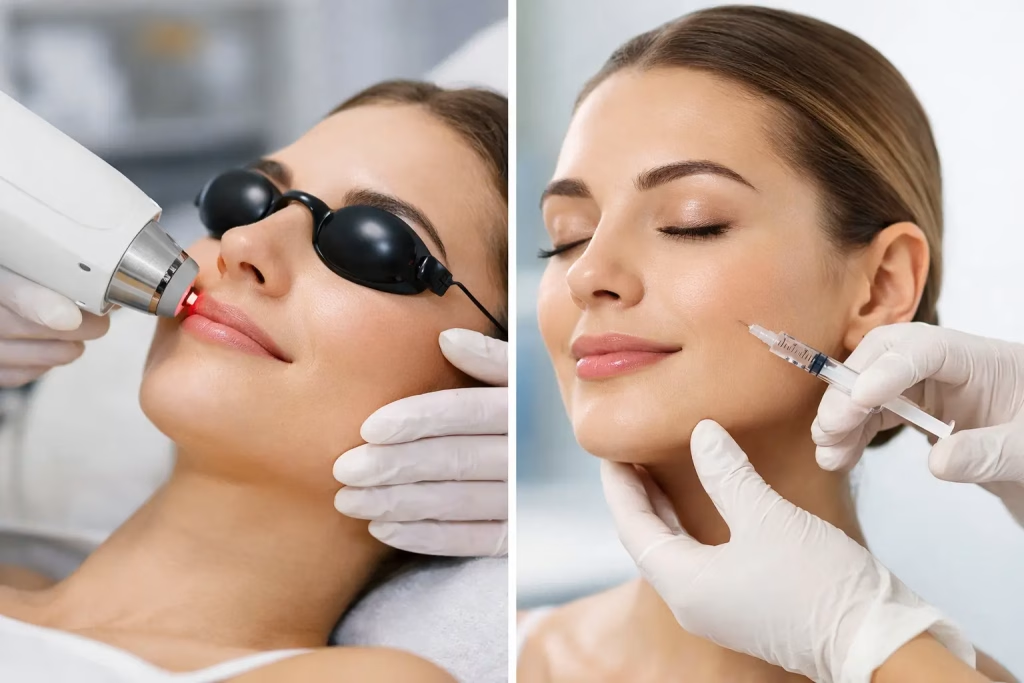
Laser toning is primarily a light-based treatment for concerns involving pigment, uneven skin tone, and textural refinement. Depending on the device and settings selected, laser energy is directed into targeted layers of skin to address excess pigment while encouraging collagen renewal. Pico laser technology, for example, uses very short pulses to break pigment into tiny particles that the body can gradually clear.
Skin boosters are injectable treatments designed to replenish hydration within the skin. They commonly contain hyaluronic acid, a molecule that attracts and holds water, and may be selected for their ability to improve skin quality rather than alter facial shape. The aim is not to create volume in the way a contouring filler may. Instead, skin boosters can help skin appear more hydrated, supple, smooth, and luminous.
A simple way to frame the choice is this: laser toning is often better suited to what you see on the surface, especially discoloration and unevenness. Skin boosters are often chosen for what the skin lacks within, particularly hydration, elasticity, and a rested-looking glow. Many patients benefit from both, but the sequence and frequency should be tailored carefully.
When Laser Toning May Be the Better Choice
Laser toning is a considered option for those whose main concern is a lack of clarity in the complexion. Sun exposure, acne inflammation, hormonal shifts, and the natural passage of time can all contribute to pigmentation that makes skin appear uneven. Brown spots, freckles, post-acne marks, and diffuse dullness may respond well when the right laser technology and settings are used.
It can also be valuable for patients who want a more polished overall complexion without changing their facial features. A course of treatments may help create a brighter, more even canvas, while collagen stimulation can gradually support smoother-looking pores and fine texture. Results are typically progressive rather than instantaneous, which makes laser toning especially appealing for those who prefer a discreet, measured improvement.
That said, not every form of pigmentation should be treated in the same way. Melasma, for instance, can be complex and may worsen if it is treated too aggressively or without appropriate maintenance. Skin tone, pigment history, sun habits, current skincare, medications, and prior treatment response all matter. A medical consultation helps determine whether laser toning is suitable, which device is appropriate, and how conservative or intensive the approach should be.
Following treatment, there may be temporary warmth, mild redness, or darkening of treated pigment before it fades. Daily sunscreen is essential. Without consistent sun protection, even beautifully performed laser treatment can be undermined by new pigment formation.
What Laser Toning Does Not Replace
Laser toning can improve the appearance of tone and texture, but it does not directly restore hydration reserves in the same way as a skin booster. If your skin looks crepey, makeup catches around fine lines, or dehydration is your most persistent concern, a laser-only plan may not deliver the soft, cushiony quality you are seeking. This is where skin boosters can play a meaningful role.
When Skin Boosters May Be the Better Choice
Skin boosters are often chosen by patients who want skin that looks naturally well-rested rather than visibly altered. The treatment is particularly suited to dehydrated, lackluster, or finely lined skin, including areas that can be challenging to treat with topical skincare alone, such as the cheeks, under-eye region, neck, and hands.
By placing hydrating ingredients within the skin, a carefully selected booster can support a smoother surface and more reflective, luminous quality. The result is often described as a healthy glow, but the clinical value is more specific: improved hydration can help soften the look of dehydration lines and support skin that appears more resilient.
This option can be especially attractive for busy professionals who want to look refreshed without adding facial volume or committing to a dramatic change. Because skin quality tends to decline gradually, boosters are commonly incorporated into a maintenance plan rather than reserved for a single special occasion.
Expect small injection points and, in some cases, temporary bumps, redness, tenderness, or bruising. These effects are usually short-lived, but social downtime varies by individual and by treatment area. A qualified doctor should assess your medical history and facial anatomy before recommending an injectable procedure.
Skin Boosters Are Not a Pigmentation Treatment
A skin booster can make a dull complexion look more luminous, but it does not specifically break down sun spots or post-acne pigmentation. If discoloration is the dominant issue, hydration alone may make skin look healthier while leaving the underlying uneven tone largely unchanged. For this reason, patients seeking a clearer complexion may be advised to begin with laser treatment, then add a skin booster once the skin is ready.
Can You Combine Laser Toning and Skin Boosters?
For many patients, the most elegant outcome comes from treating both clarity and hydration. Laser toning can address uneven pigment and surface refinement, while skin boosters support the dewy, supple finish that a brighter complexion alone cannot always provide. The treatments are complementary, not competing.
The timing should be personalized. Depending on skin sensitivity, treatment intensity, and your aesthetic priorities, your provider may recommend spacing procedures apart to allow the skin to settle and respond. For someone preparing for an important event, the plan should also account for potential redness, bruising, and the time needed for results to develop.
Combination plans are not automatically better simply because they are more comprehensive. If you have active acne, significant inflammation, an impaired skin barrier, or a recent reaction to skincare, stabilizing the skin may come first. A thoughtful treatment journey respects what the skin can comfortably tolerate.
How to Choose Based on Your Primary Concern
If you are most concerned about brown spots, uneven skin tone, post-acne marks, or a complexion that looks dull despite good hydration, laser toning may be the more relevant starting point. If your skin is clear but feels dry, looks finely lined, or has lost its bounce and glow, skin boosters may better match your goals.
If enlarged pores and early textural changes are part of the picture, either treatment may contribute, although through different mechanisms. Laser toning can support collagen renewal and surface refinement, while improved hydration from a booster can make skin look smoother and more plump. Acne scars, deeper wrinkles, laxity, and redness may require other technologies or treatments, such as microneedling radiofrequency, ultrasound lifting, or targeted vascular care.
The most useful question is not, “Which treatment is better?” It is, “What is the first limitation I notice when I look at my skin without makeup?” A precise answer gives your aesthetic doctor a far better foundation for recommending treatment.
What a Considered Treatment Plan Looks Like
A premium aesthetic plan should include more than a device or injectable name. Your consultation should consider skin condition, skin type, pigment risk, facial structure, goals, schedule, and tolerance for downtime. High-quality photography and clear discussion of realistic outcomes can make progress easier to assess over time.
It should also include home care. Sunscreen, a supportive skincare routine, and sensible treatment intervals help preserve the results of both laser toning and skin boosters. The goal is not to chase a temporarily perfect complexion. It is to maintain skin that looks healthy, balanced, and quietly luminous through changing seasons and demands.
Your skin does not need every treatment available. It needs the right treatment, at the right moment, delivered with clinical judgment and a plan that feels entirely your own.
