

Uncategorized
Dark Eye Circles: Causes and Best Fixes
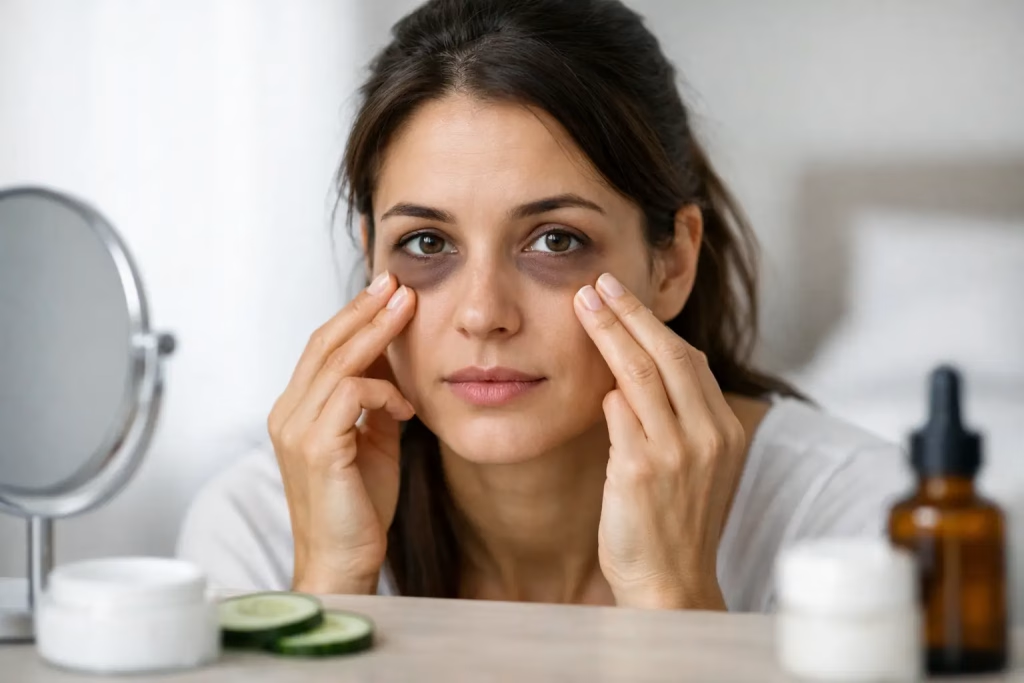
Dark Eye Circles can make a well-rested face look tired, stressed, or older than it feels. For many people, they are surprisingly stubborn. A concealer may soften the look for a few hours, but if the shadow under the eyes keeps returning, the real issue is usually deeper than surface pigmentation alone.
The under-eye area is one of the thinnest and most delicate parts of the face. It shows changes early, and it shows them clearly. That is why darkening under the eyes can be caused by more than one factor at the same time, including skin thinning, volume loss, pigmentation, visible blood vessels, fluid retention, and even facial structure. The best approach starts with understanding which of these is actually driving the concern.
What Causes Dark Eye Circles?
One of the most common misconceptions is that all under-eye darkness is caused by lack of sleep. Fatigue can certainly make the area look worse, but it is rarely the only reason. In practice, dark circles usually fall into a few overlapping categories.
Pigmented dark circles are caused by excess melanin in the skin under the eyes. This may be related to sun exposure, chronic rubbing, post-inflammatory pigmentation from eczema, or a naturally deeper skin tone in that area. These circles often appear brownish rather than blue or purple.
Vascular dark circles happen when blood vessels show through thin under-eye skin. Because the skin is so fine, underlying veins can create a bluish, purplish, or pink-toned darkness. This tends to become more visible when the skin is dehydrated, when circulation is sluggish, or when the eye area is hollow.
Structural dark circles are often caused by tear trough hollowing or natural facial anatomy. In this case, the issue is less about skin color and more about the way light falls into a depression under the eyes. Even if the skin itself is clear, the shadow creates a dark appearance that can be mistaken for pigmentation.
Aging can intensify all of these. As collagen declines, the skin becomes thinner and less resilient. Fat pads shift, volume reduces, and the boundary between the lower eyelid and cheek becomes more pronounced. The result is a more fatigued appearance, often with a combination of darkness, hollowness, and fine lines.
Why Lifestyle Still Matters
Although dark circles are not always caused by poor habits, lifestyle can influence how prominent they look. Sleep deprivation may make the under-eye area appear duller and more sunken. Dehydration can reduce skin plumpness, which makes blood vessels and shadows more visible. High salt intake, allergies, and sinus congestion may contribute to puffiness, and puffiness can cast shadowing that worsens the appearance of dark circles.
Frequent eye rubbing is another overlooked factor. It may seem harmless, especially during allergy season, but repeated friction can trigger irritation and pigmentation over time. Sun exposure also plays a role. The under-eye area is often neglected when sunscreen is applied, yet UV exposure can increase pigmentation and accelerate collagen loss.
This is where nuance matters. Some patients improve significantly with better sleep, hydration, and skin care. Others do everything right and still have persistent darkness because their concern is primarily genetic or structural. That does not mean treatment is impossible. It simply means the plan needs to match the cause.
How to Tell What Kind of Dark Eye Circles You Have
A close assessment is more useful than guessing. If the area looks brown, pigmentation is likely a key factor. If it appears blue, purple, or pink, thin skin and visible vessels may be contributing. If the darkness seems to change depending on lighting, especially overhead light, hollowness and shadowing may be the bigger issue.
Puffiness can complicate the picture. Some people have a protruding lower eyelid fat pad with a hollow just below it. This creates both a bulge and a shadow, which can make the under-eye region look darker even without obvious pigment. In these cases, treating only pigmentation may produce limited improvement.
This is why a doctor-led consultation is valuable. A careful facial assessment considers skin quality, anatomy, age-related change, and the surrounding cheek support. The most elegant results come from treating the eye area as part of the whole face rather than in isolation.
At-Home Care for Dark Eye Circles
Home care can help, especially for mild cases or as support after in-clinic treatment. The key is realistic expectation. Topical products may brighten, hydrate, and smooth the area, but they will not fully correct pronounced tear trough hollowness or significant skin laxity.
A well-formulated eye product with ingredients such as caffeine, niacinamide, peptides, hyaluronic acid, or vitamin C can be beneficial. Caffeine may help temporarily reduce puffiness. Niacinamide and vitamin C can support a brighter, more even skin tone. Hyaluronic acid improves hydration, which can make the area look fresher and less crepey.
Daily sun protection matters more than many realize. A lightweight sunscreen around the orbital bone, combined with sunglasses, helps reduce further pigmentation and collagen damage. Gentle application is essential. The under-eye area responds poorly to aggressive rubbing, harsh exfoliation, and overuse of active ingredients.
Professional Treatments for Dark Eye Circles
When dark circles are moderate to severe, professional treatment usually offers more visible and meaningful improvement. The right choice depends on whether the concern is pigment, vascular show-through, laxity, hollowing, or a combination.
For pigmented under-eyes, carefully selected laser treatments may help reduce excess melanin and refine skin tone. Because the eye area is delicate, settings, technique, and patient selection need to be precise. Not every laser is suitable for every skin type, and overtreatment can irritate the skin or worsen pigmentation in predisposed patients.
For thin, tired-looking under-eye skin, collagen-stimulating treatments can be particularly valuable. Energy-based devices and regenerative treatments may improve skin texture, firmness, and overall quality over time. The benefit here is subtle sophistication rather than an overdone effect. Better skin quality can reduce translucency and make vascular darkness less apparent.
Where dehydration and fine lines contribute to the problem, skin boosters may support a smoother, more luminous under-eye appearance. These treatments are often chosen by patients who want refinement rather than dramatic change. They can enhance hydration and skin resilience, though they are not a substitute for volume correction when a deep tear trough is the primary issue.
If hollowness is the main cause, dermal filler may be considered in selected patients. This is an area where technique and judgment matter enormously. Under-eye filler is not suitable for everyone, especially if puffiness, fluid retention, or poor tissue support is present. In the right candidate, however, restoring volume in a conservative and anatomically precise way can soften shadows and refresh the transition from lower eyelid to cheek.
Some patients benefit most from combination treatment. A person may have structural hollowing, mild pigmentation, and crepey skin all at once. In that setting, a bespoke plan is more effective than chasing a single solution. This kind of layered strategy often delivers the most natural-looking outcome because it addresses the different reasons the area looks tired.
What Results Should You Expect?
The goal is usually improvement, not complete erasure. That distinction matters. The under-eye area is dynamic, expressive, and naturally contoured. A refined result should make the face look brighter and more rested without making it look altered.
Response also depends on the cause. Pigmentation may need several sessions and diligent sun protection. Collagen remodeling takes time. Volume correction can be noticeable more quickly, but it still requires restraint and proper planning. Patients who understand these differences tend to be happier with the process because expectations remain grounded in what the anatomy allows.
At a premium doctor-led clinic such as Kelly Oriental Aesthetic Clinic, the value lies in personalization. Rather than treating every dark under-eye concern the same way, the focus is on identifying what is anatomically true for each patient and selecting treatments that support a polished, rested appearance with minimal disruption to daily life.
When to Seek a Professional Assessment
If your under-eye darkness has persisted despite sleep, hydration, and consistent skin care, it is worth having it assessed properly. The same applies if the darkness is becoming more prominent with age, is paired with hollowness or fine lines, or never seems to improve no matter what product you use.
The most reassuring treatment journeys start with clarity. Once you understand whether your dark circles are pigmented, vascular, structural, or mixed, the path forward becomes far more precise. And when the treatment is matched to the real cause, the under-eye area can look noticeably smoother, brighter, and more awake without losing its natural softness.
