

Uncategorized
Aesthetic Treatment for Tattoo Removal
May
Regret looks different on everyone. For some, it is a name that no longer belongs in their story. For others, it is faded ink that no longer reflects the image they want to present at work, at events, or simply in the mirror. Aesthetic Treatment for Tattoo Removal offers a clinically guided way to reduce unwanted pigment with greater precision, comfort, and confidence.
Tattoo removal is no longer approached as a harsh, one-size-fits-all process. Modern laser technology has changed the experience significantly, making treatment more targeted and more refined than older methods. For patients who value visible results, safety, and a tailored plan, the real question is not whether removal is possible, but how to do it well.
Why tattoo removal needs a personalized plan
No two tattoos respond the same way. The age of the tattoo, the depth of the ink, the color palette, the location on the body, and even your skin tone all affect how quickly pigment clears. Amateur tattoos may fade faster because the ink is often placed more superficially. Professional tattoos, while usually more even and aesthetically done, tend to sit deeper and use denser pigments.
This is why consultation matters. A proper assessment helps determine how many sessions may be needed, which laser settings are appropriate, and whether complete removal or meaningful fading is the more realistic goal. In many cases, fading is the preferred outcome, especially for patients planning a cover-up tattoo.
A doctor-led approach also matters because skin response is part of the treatment equation. The goal is not only to break down ink. It is to protect the surrounding skin while encouraging gradual clearance through the body’s natural processes.
How laser tattoo removal works
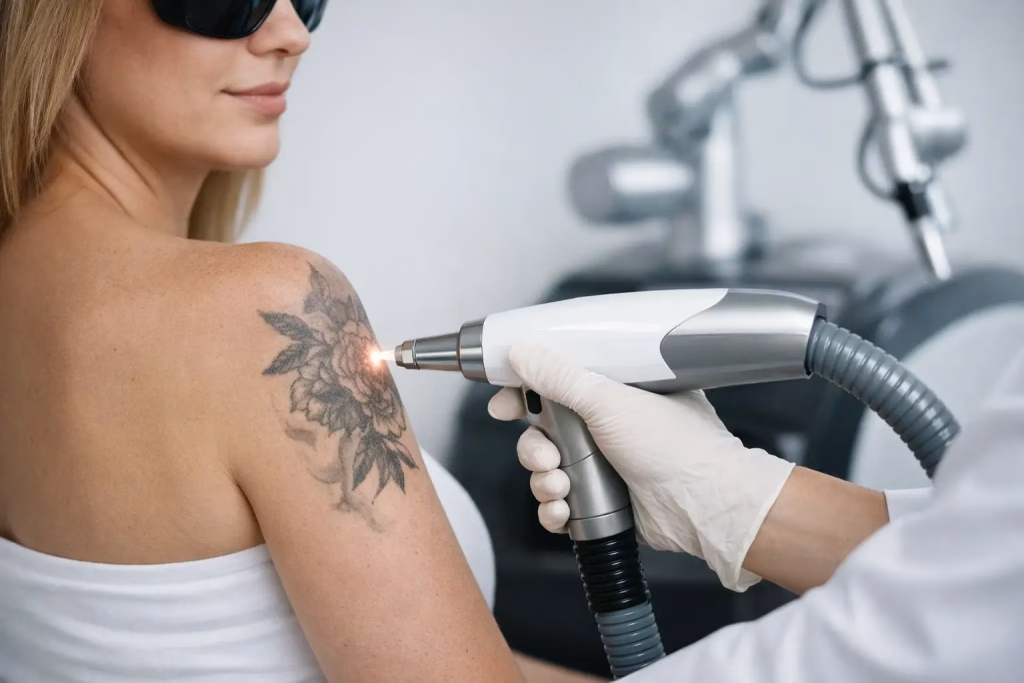
Laser tattoo removal works by delivering short bursts of energy into the skin, targeting tattoo pigment without cutting or scraping the surface. The ink absorbs this energy, shatters into smaller particles, and is then cleared over time by the body’s lymphatic system.
Different wavelengths target different colors. Black and dark blue inks are typically the easiest to treat because they absorb a broader range of laser energy. Red, orange, and some brown tones can also respond well with the correct wavelength. Green, turquoise, and certain pastel shades are often more stubborn and may require more sessions.
This is where advanced systems such as Pico Laser have changed expectations. Pico technology delivers energy in ultra-short pulses, which can improve pigment fragmentation while reducing unnecessary heat spread to surrounding tissue. In practice, this can mean a more efficient treatment course for suitable candidates, especially when precision and skin preservation are priorities.
What to expect from an Aesthetic Treatment for Tattoo Removal
The first step is an assessment of the tattoo itself and of your skin condition. Photos may be taken to track progress over time because fading can be gradual, and small changes from one session to the next are often easier to appreciate side by side.
During treatment, patients commonly describe the sensation as quick snapping or heat against the skin. Discomfort levels vary depending on the treatment area and your personal tolerance, but sessions are usually relatively fast, especially for smaller tattoos. A topical numbing approach or cooling support may be used where appropriate to improve comfort.
Immediately after treatment, the area may appear white or frosted for a short time. Mild redness, swelling, or a sunburn-like sensation can follow. This is expected and usually temporary. Over the next few weeks, the body begins clearing the disrupted pigment particles. Because this clearance takes time, sessions are spaced out rather than performed too closely together.
Most patients need multiple treatments. That is not a sign the treatment is failing. It is simply how tattoo removal works. Ink sits in layers, colors respond differently, and the body clears pigment gradually. A careful schedule is usually more effective than an aggressive one.
How many sessions will you need?
This is one of the most common questions, and the honest answer is that it depends. Some tattoos lighten significantly in as few as three to five sessions, while others may need eight or more. Cover-up work, multicolored tattoos, and densely packed professional ink often require more patience.
Certain body areas also clear more slowly. Tattoos on the hands, feet, and lower legs can be more resistant because circulation in those regions is less efficient than in areas closer to the torso. Lifestyle factors such as smoking may also affect how efficiently the body removes broken-down pigment.
A credible provider should be careful with promises. Complete erasure is possible for some tattoos, but not every tattoo disappears equally, and not every skin type should be treated with the same intensity. Well-planned fading with healthy-looking skin can be a better aesthetic result than chasing perfection too aggressively.
Skin tone, safety, and treatment precision
For many patients in Singapore, skin tone and post-treatment pigmentation are important considerations. This is where medical judgment becomes especially valuable. Laser settings must be selected with care to target tattoo ink while minimizing the risk of post-inflammatory hyperpigmentation, hypopigmentation, or textural changes.
Darker skin tones can absolutely be treated, but treatment must be approached thoughtfully. The provider needs to distinguish between what the laser should target and what should be preserved. This often means balancing efficacy with caution, choosing appropriate intervals, and adjusting the treatment plan as the skin responds.
Patients with active skin irritation, infection in the area, certain medical conditions, or a history of problematic scarring may need added evaluation before starting. This is not about creating barriers. It is about making sure the treatment journey is appropriate, safe, and aligned with your skin’s best outcome.
Aftercare matters more than many people realize
Tattoo removal does not end when the laser session finishes. Good aftercare supports healing and lowers the chance of complications. The treated area should be kept clean, protected, and left undisturbed while the skin recovers. Picking at scabs, exposing the area to intense sun, or using harsh active skincare too soon can interfere with the healing process.
Sun protection is particularly important. Freshly treated skin is more vulnerable to pigment changes, and tanning before or during a treatment course can complicate laser targeting. If the tattoo is in a visible area such as the forearm, ankle, or shoulder, this often becomes part of the planning conversation.
Hydration, general skin health, and allowing enough time between sessions also make a difference. Many patients want faster results, but rushing treatment rarely leads to a better finish. Respecting the skin usually rewards you with a smoother and more even recovery.
When fading is the smarter goal
Not every patient wants a tattoo completely gone. Some want to soften an old design before replacing it with something cleaner and more intentional. In these cases, partial removal can be an excellent strategy.
Targeted fading gives tattoo artists more flexibility with the redesign. It can reduce the need for a darker, larger cover-up and create room for a more elegant final result. From an aesthetic perspective, this is often the most strategic option, particularly for visible placements where refinement matters.
At a premium clinic, the conversation should never be limited to whether a laser can remove ink. It should include what outcome best serves your image, your comfort, and your long-term goals. That level of planning is part of what makes the experience feel truly bespoke.
Choosing the right clinic for tattoo removal
Technology matters, but experience matters just as much. A quality provider should be able to explain the likely treatment course clearly, discuss realistic expectations, and assess your skin with nuance rather than making generic claims. You should feel that the recommendation is tailored, not scripted.
The treatment environment also shapes the experience. Tattoo removal is typically a journey rather than a single visit, so patients often value a setting that feels calm, discreet, and professionally managed. This is especially relevant for busy professionals and image-conscious individuals who want medical credibility without sacrificing comfort.
For those seeking a more elevated standard of care, a clinic such as Kelly Oriental Aesthetic Clinic reflects what many patients now expect from modern aesthetics: advanced technology, individualized treatment planning, and a refined environment where precision and hospitality sit comfortably together.
Tattoo removal is rarely instant, but it can be transformative. With the right laser, the right protocol, and the right clinical judgment, unwanted ink can become lighter, less distracting, or fully cleared over time. The best results come from patience, thoughtful planning, and a provider who treats your skin with as much care as your outcome.
