

Uncategorized
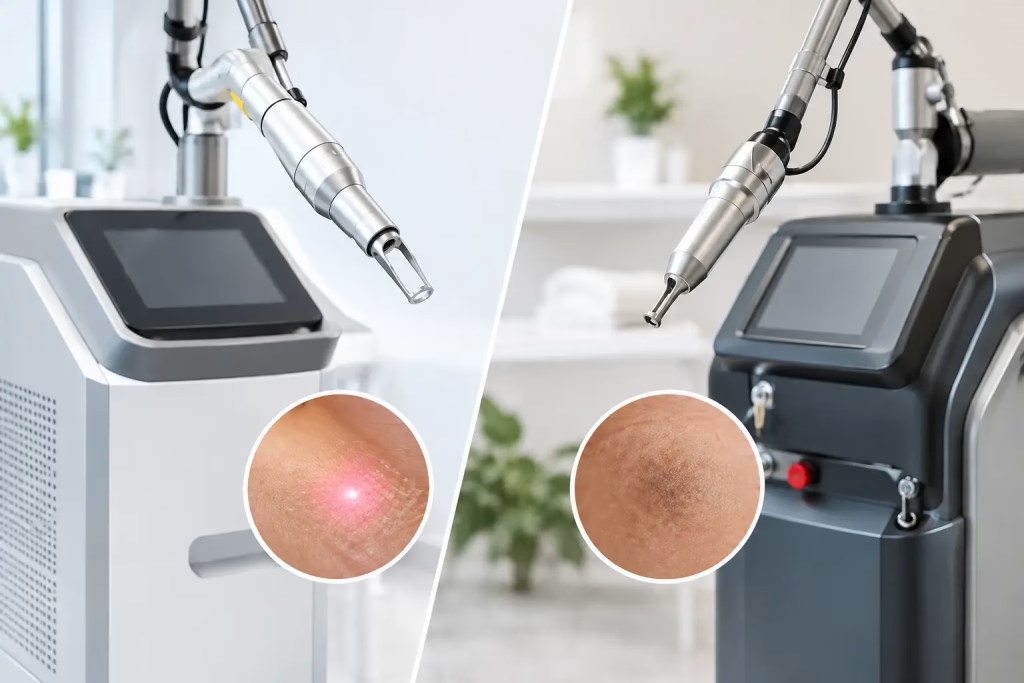
Pico Laser Versus Q-Switch Laser Compared
Oct
A dark spot that lingers after acne, a patch of sun damage that seems resistant to skincare, or a tattoo that no longer feels like you can all lead to the same question: pico laser versus q-switch laser, which treatment is better? The more useful answer is not simply which technology is newer. It is which wavelength, pulse delivery, and treatment approach best suit your skin concern, skin tone, and tolerance for downtime.
Both technologies are established tools in aesthetic medicine. Both can target pigment and ink without surgery. Yet they interact with the skin differently, and that distinction can influence comfort, the number of sessions needed, and the type of result a physician can reasonably plan for.
Pico Laser Versus Q-Switch Laser: The Core Difference
The defining difference lies in pulse duration. A Q-switch laser delivers energy in nanoseconds, or billionths of a second. A pico laser delivers energy in picoseconds, or trillionths of a second. That shorter pulse is not just a technical detail. It changes how energy breaks apart pigment particles and tattoo ink.
Q-switch technology relies predominantly on a photoacoustic effect: energy is absorbed by pigment, producing a rapid mechanical shock that fragments it into smaller particles. Pico lasers create an even faster pressure wave, often breaking pigment and ink into finer particles that the body can gradually clear through its natural processes.
In practical terms, pico technology may allow efficient treatment of certain stubborn pigment and tattoo colors with less heat spread into surrounding tissue. However, “less heat” does not mean “no risk.” Every laser treatment must be calibrated thoughtfully, particularly for deeper skin tones or skin that is prone to post-inflammatory hyperpigmentation.
It is also worth remembering that the label on the device is only one part of the treatment. Wavelength, energy level, spot size, pulse setting, treatment interval, skin preparation, and aftercare all matter. A well-selected Q-switch treatment can be an excellent choice. A pico laser used with unsuitable settings can still cause irritation or unwanted pigment changes.
When Pico Laser May Be the Better Choice
Pico laser treatments are frequently chosen for patients seeking refined pigment correction, skin revitalization, acne-scar support, or tattoo removal. The rapid pulse delivery can target pigment while minimizing unnecessary thermal impact, which may make it appealing for patients who want an advanced, precise option.
For pigmentation, pico lasers can be used to address concerns such as sunspots, freckles, age spots, and selected cases of post-acne marks. Fractional picosecond settings may also create controlled micro-injury within the skin, stimulating remodeling that can improve the appearance of enlarged pores, fine lines, and certain textural acne scars over a series of sessions.
Pico technology is particularly valuable when tattoo ink is difficult to shift. Dark ink often responds well to several laser platforms, while colors such as green or blue can be more challenging and may benefit from an appropriate picosecond wavelength. Results still depend on the tattoo’s depth, color composition, age, density, and whether it was professionally or amateurly applied.
Many patients find pico treatments manageable with topical numbing when needed. Mild warmth, redness, and temporary swelling are common. Depending on the indication and intensity, skin may look flushed for a day or two, while treatment for concentrated pigment spots can lead to temporary darkening and light crusting before the area clears.
Where Q-Switch Lasers Continue to Shine
Q-switch lasers remain highly relevant because they are effective, versatile, and supported by decades of clinical use. They are widely used for epidermal pigmentation, selected dermal pigment conditions, and tattoo removal. The appropriate Q-switch wavelength can be a very targeted solution for the right concern.
For instance, a 1064 nm Q-switch laser is often used for darker pigment and can be appropriate for patients with more melanin-rich skin when selected carefully. A 532 nm wavelength may address more superficial brown or red-toned targets, although it requires considered settings because shorter wavelengths are more readily absorbed by melanin.
For some patients, a Q-switch laser is an efficient and sensible first-line choice, especially when the concern is well-defined and the treatment goal is pigment lightening rather than broader textural rejuvenation. It may also be more accessible from a cost perspective, depending on the clinic and treatment plan.
The trade-off is that certain resistant pigmentation or tattoo colors may require more sessions than a comparable pico approach. Q-switch treatments can also create more noticeable temporary whitening, pinpoint bleeding, crusting, or swelling when treating tattoos at higher intensities. These effects are not automatically a sign of a poor treatment, but they should be anticipated and managed under professional guidance.
The Best Laser Depends on the Concern
For sunspots, freckles, and post-acne marks
Both pico and Q-switch lasers can help, provided the marks are correctly diagnosed. True sunspots and freckles often respond well to targeted pigment treatment. Post-acne marks may be brown, red, or a combination of both, and a laser plan should account for that difference rather than treating every mark as the same type of pigmentation.
Pico laser may be favored when pigment concerns occur alongside textural issues such as visible pores or early acne scarring. Q-switch laser may be ideal for carefully targeted pigment correction. Neither option replaces daily broad-spectrum sunscreen, which is essential to preserve results and reduce recurrence.
For melasma
Melasma deserves a more cautious conversation. It is a chronic, hormonally and inflammation-influenced pigment condition, not simply a collection of dark spots. Aggressive laser treatment can sometimes trigger rebound pigmentation or worsen melasma, especially in deeper skin tones.
Some patients benefit from low-energy laser protocols as part of a broader plan that includes sun protection, topical skincare, and treatment of triggers. Others may be better served by stabilizing their skin first. The goal is not to chase immediate brightness at the expense of a flare several weeks later.
For acne scars and skin texture
If the priority is pitted acne scars, uneven texture, or visible pores, a fractional pico laser setting may offer an advantage because it can support collagen remodeling while addressing pigment. Yet deeper rolling, boxcar, or tethered scars often need a combination plan. Subcision, radiofrequency microneedling, chemical reconstruction, or other physician-selected treatments may be more appropriate additions.
A laser should be viewed as one element of a tailored acne-scar journey, not a single universal fix.
For tattoo removal
Both laser types can fragment tattoo ink, but pico lasers may clear some inks more efficiently due to their shorter pulse duration. That does not guarantee fewer sessions for every tattoo. Professional tattoos with dense, layered ink can still require a substantial treatment course, typically spaced several weeks apart to allow skin recovery and ink clearance.
A treatment test spot can be valuable, especially for cosmetic tattoos, multicolored tattoos, or tattoos with uncertain ink composition. Certain pigments may darken before they lighten, and some colors are inherently more resistant to removal.
Safety, Downtime, and Realistic Expectations
Laser safety begins before the first pulse. A clinician should review your skin type, history of hyperpigmentation or keloid scarring, active acne or infection, medications, recent tanning, and previous aesthetic treatments. Pregnancy, certain photosensitizing medications, and active skin conditions may require treatment to be postponed or adapted.
After treatment, patients are commonly advised to protect the area from heat and direct sun exposure, avoid picking or exfoliating, and use gentle skincare until the skin settles. The exact aftercare depends on the treatment intensity and indication. A high-quality plan also includes knowing when to contact the clinic, such as if blistering, unusual pain, or prolonged swelling occurs.
Visible improvement is usually gradual. Pigment can temporarily look darker before it lifts, and collagen remodeling takes time. A polished result is often built through measured sessions, not an overly aggressive one-time treatment.
Choosing a Treatment Plan That Respects Your Skin
The strongest choice is rarely based on a device name alone. It comes from a consultation that identifies the true cause of discoloration or texture, assesses your skin’s risk profile, and matches technology to your priorities. At Kelly Oriental Aesthetic Clinic, this means considering whether you need targeted pigment clearing, fractional rejuvenation, tattoo removal, or a carefully staged combination approach.
If you are deciding between pico and Q-switch laser, bring clear goals to your consultation: what you want to treat, how much downtime you can accommodate, and whether you are managing a recurring condition such as melasma. The right treatment should leave you feeling informed, comfortable, and confident that your skin is being treated with precision rather than promises.
