
Uncategorized
The Future of Non Surgical Aesthetics Is Personal
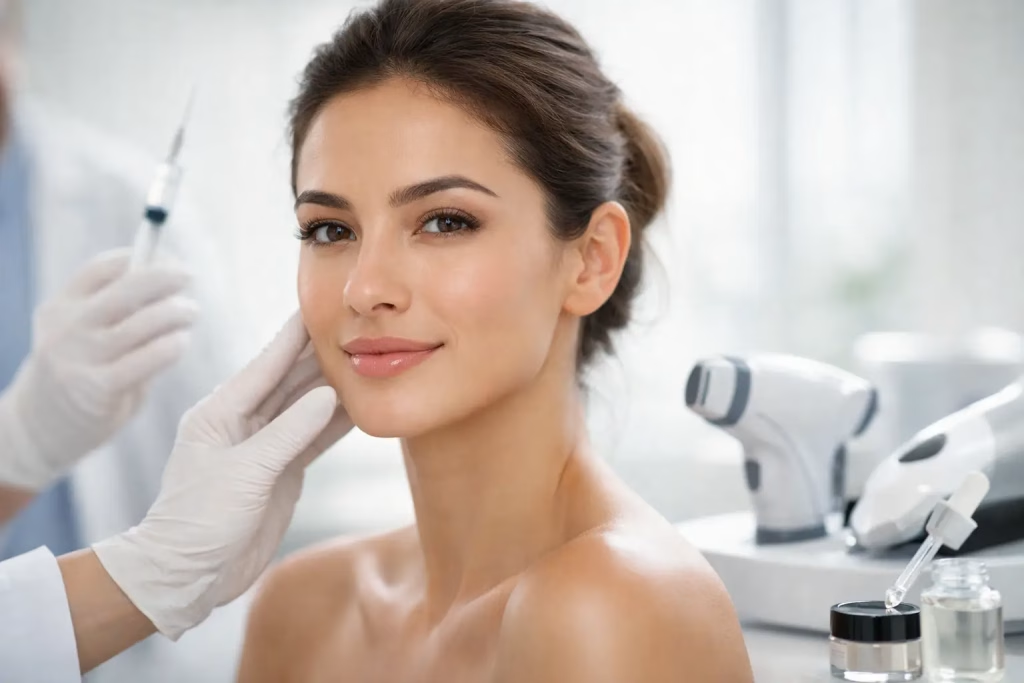
A refreshed face should not announce the treatment behind it. It should look like better sleep, balanced skin, and a version of you that feels quietly more confident. That expectation is shaping the future of non surgical aesthetics: less about dramatic change in a single appointment, and more about personalized, medically guided improvements that respect each individual’s features.
For discerning patients, the question is no longer simply which treatment is newest. It is whether a technology suits their skin, concerns, schedule, and desired level of change. The most sophisticated aesthetic journeys will be defined by careful diagnosis, thoughtful combinations, and results that mature beautifully over time.
The future of non-surgical aesthetics is selective
For many years, aesthetic trends were led by single treatments and highly visible transformations. The next chapter is more refined. Patients are increasingly seeking skin that looks healthy rather than heavily treated, contours that remain expressive, and rejuvenation that does not compromise their individuality.
This does not mean every patient wants minimal treatment. It means treatment should be proportionate. A person concerned about laxity around the jawline may benefit from energy-based tightening, while another with early volume loss may need a carefully placed injectable treatment. Someone with persistent pigmentation may require a series of laser-based and skin-supporting procedures rather than a one-time intervention.
The distinction matters because devices and injectables are tools, not identities. A premium treatment plan begins with the face, skin, and goals in front of the doctor, then selects the right tools accordingly.
Better diagnostics will create better treatment plans
The future is not only about more advanced machines. It is also about a more precise understanding of what the skin is showing. Fine lines, enlarged pores, redness, dullness, and uneven texture may appear together, but they do not necessarily have the same cause or require the same treatment.
A detailed consultation can help distinguish between concerns related to dehydration, inflammation, pigmentation, collagen loss, sun exposure, or changes in facial structure. This allows for a plan that is both more effective and more conservative. Treating the wrong concern aggressively can lead to disappointment, unnecessary downtime, or an unnatural result.
In practice, this may mean pairing collagen-stimulating treatments such as Ultherapy, Thermage, or Sylfirm X with skin quality treatments such as Hydrafacial, LDM, skin boosters, or selected laser procedures. Each has a different role. One may support deeper tissue tightening, while another improves hydration, texture, or the appearance of pores closer to the skin’s surface.
The most valuable plans will also account for timing. Some treatments deliver an immediate glow; others work gradually as collagen remodeling develops. Patients who understand this difference are less likely to chase quick fixes and more likely to enjoy results that look natural at every stage.
Combination treatment, with restraint
Combination treatment is often described as the future of aesthetics, but more is not always better. Layering procedures without a clear purpose can overcomplicate care, strain the skin, and blur the ability to assess what is working.
A thoughtful combination plan has a sequence. For example, a patient with acne scars may first need a strategy to manage active breakouts and inflammation before focusing on scar revision. Depending on the scar type and skin condition, treatments may include energy-based procedures, carefully selected resurfacing approaches, or skin-repair support. The pace should be tailored to recovery, tolerance, and clinical response.
Likewise, facial contouring is becoming more nuanced. Rather than treating every sign of aging with filler, doctors may consider whether the priority is lifting, skin tightening, restoring selective volume, relaxing dynamic lines, or addressing fullness beneath the chin. The answer can change from one patient to another, even when their concerns sound similar.
Regenerative thinking will move skin quality to the forefront
The most elegant aesthetic results often begin with skin quality. Smooth texture, even tone, hydration, and resilient skin can make features look more rested without changing them. This is why regenerative and collagen-supporting approaches will continue to gain importance.
Treatments that encourage collagen renewal are particularly relevant for patients concerned with fine lines, acne scars, enlarged pores, or early laxity. However, collagen stimulation is gradual by nature. It asks for patience and consistency, which can be a trade-off for those hoping for an immediate transformation.
That trade-off is usually worthwhile when expectations are realistic. A sustained approach to skin maintenance can help preserve a refined, healthy appearance between larger milestones. Periodic facials, hydration-focused treatments, pigment management, and doctor-recommended home care all have a place in this long-view approach.
For patients in their twenties and thirties, this may look like prevention and skin optimization. For patients in their forties and beyond, it may involve restoring quality while addressing structural changes more selectively. Neither approach is superior. The right plan reflects the patient’s current needs, not an arbitrary age category.
Precision technology will matter more than novelty
New technology is exciting, but a device’s value lies in its clinical application. The best platforms offer precision, versatility, and a meaningful role within a treatment plan. A laser may be selected for pigmentation or tattoo removal, while radiofrequency microneedling may be considered for textural concerns and collagen support. Ultrasound and radiofrequency tightening technologies may serve patients with different degrees and patterns of laxity.
Safety is equally central. Every energy-based treatment carries considerations related to skin type, sensitivity, existing inflammation, medication history, and downtime tolerance. A treatment that is appropriate for one person may not be ideal for another. This is one reason doctor-led assessment remains essential, particularly when combining technologies or treating concerns such as melasma, rosacea, and acne scarring.
The future will favor clinics that explain what a treatment can realistically achieve, as well as what it cannot. Non-surgical procedures can deliver meaningful rejuvenation and contour refinement, but they do not replicate surgical outcomes in every situation. Honest guidance protects patients from unrealistic expectations and ensures that each choice feels considered rather than rushed.
The patient experience will become more considered
Aesthetic care is personal. Many patients want discretion, comfort, and time to ask thoughtful questions without feeling pressured into a package. The experience surrounding a treatment can be as important as the treatment itself, especially for those managing a busy professional life or preparing for a significant event.
At Kelly Oriental Aesthetic Clinic, this philosophy is reflected in bespoke treatment journeys that combine doctor consultation, advanced technology, and therapist-supported care in a calm, elevated setting. The purpose is not to pursue change for its own sake. It is to help each patient make informed choices and feel supported from consultation through aftercare.
This high-touch approach will become increasingly important as aesthetic options expand. More choice can be empowering, but it can also be confusing. Patients need a trusted professional who can translate treatment terminology into a plan that makes sense for their goals, budget, and lifestyle.
A more natural standard of beauty
The future of non surgical aesthetics will not be defined by a single look. It will be defined by personalization, technical precision, and an appreciation for faces that remain individual. Some patients will want a subtle glow before a wedding or important presentation. Others will seek an ongoing program for pigmentation, hair thinning, body contouring, or graceful aging.
The common thread is intention. The most satisfying results are rarely about looking like someone else. They come from understanding what makes you look and feel like yourself, then choosing care that supports it with restraint, expertise, and confidence.
If you are considering an aesthetic treatment, begin with the concern you want to address and the degree of change you genuinely want to see. A well-planned consultation can turn that starting point into a treatment journey that feels both clinically sound and distinctly your own.
