

Uncategorized
A Guide to the Aesthetic Consultation Process
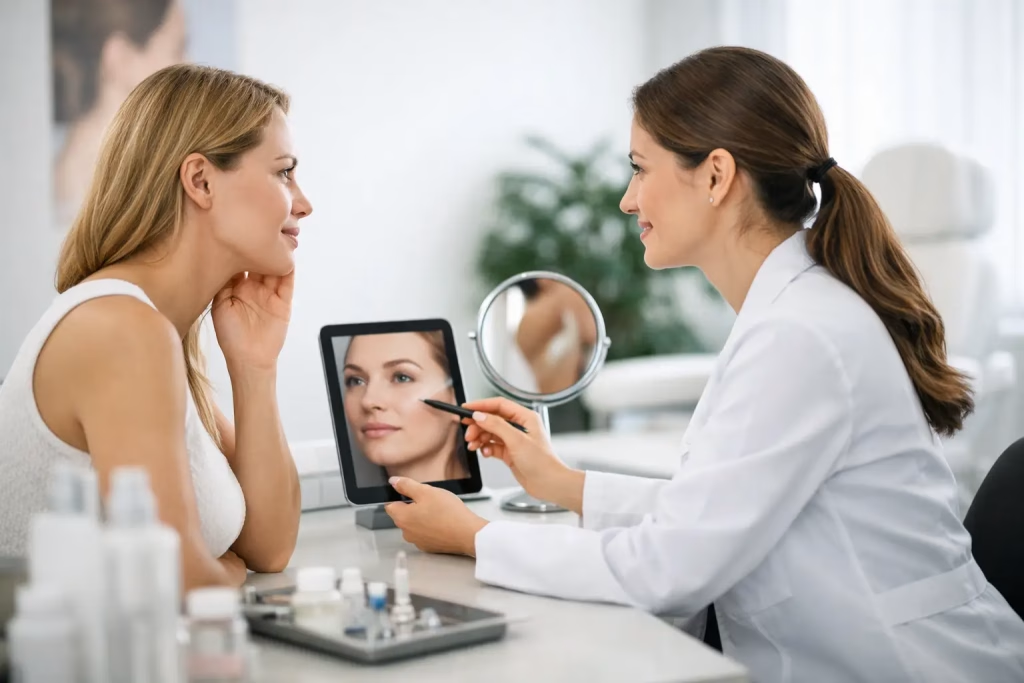
Aesthetic treatment should never begin with a device, an injectable, or a package. It should begin with a thoughtful conversation about what you see, what you hope to change, and what will genuinely serve your features, skin, and lifestyle. This guide to the aesthetic consultation process explains how a considered appointment creates the foundation for results that feel refined rather than overdone.
For many patients, the concern is clear but the solution is not. Pigmentation may sit alongside dehydration. A tired-looking lower face may be caused by volume loss, skin laxity, or both. Acne scars can require a different approach depending on their depth and type. A quality consultation brings clinical judgment to these details, so treatment is selected with purpose.
What the Aesthetic Consultation Process Should Include
A premium consultation is not a quick sales conversation. It is a structured assessment that balances your goals with medical suitability, treatment limitations, recovery preferences, and a realistic view of how results develop over time.
The process usually begins with listening. Your provider should ask what prompted your visit and how long the concern has been present. You may want a brighter, more even complexion before an event, a firmer facial contour that still looks like you, or a long-term plan for pores, fine lines, and collagen support. The distinction matters because a treatment that gives a beautiful short-term boost may not be the best answer to a structural concern that has developed gradually.
A trusted clinician will also ask about previous aesthetic procedures, current skincare, medications, allergies, medical history, and lifestyle factors such as sun exposure. These details can affect whether a treatment is appropriate, when it should be performed, and how skin may respond. Disclosing them fully is part of protecting your outcome.
Step One: Define the Result, Not Just the Treatment
It is easy to arrive asking for a treatment by name. Perhaps you have heard about Thermage, Ultherapy, Pico Laser, skin boosters, or Hydrafacial from friends or social media. These technologies can have a valuable place in a treatment plan, but the right question is not simply, What is popular? It is, What is contributing to my concern?
A skilled provider looks beyond a single symptom. Uneven tone, for example, may involve sun-related pigmentation, post-inflammatory marks, redness, or a compromised skin barrier. Treating all discoloration in the same way can lead to disappointment. Likewise, a double chin may relate to localized fat, skin laxity, chin projection, or facial proportions. Each factor can change the recommended approach.
Be specific about the outcome you want, but remain open to clinical guidance. Bring reference images only if they help communicate the level of freshness, contour, or skin quality you prefer. They should start a conversation, not set an unrealistic template. Your bone structure, skin behavior, and treatment history are unique.
Step Two: Receive a Detailed Skin and Facial Assessment
The examination is where personalization becomes meaningful. Depending on your concerns, the provider may assess skin texture, pore visibility, hydration, pigmentation patterns, acne scarring, elasticity, facial volume, symmetry, and areas of muscle activity. For body or hair concerns, the assessment will focus on the relevant tissue, distribution, and contributing factors.
This is also the time to discuss what a treatment cannot do. Energy-based procedures can support collagen remodeling and improve skin firmness, but they do not produce the same effect as surgery. Injectables can restore selected areas of volume or soften dynamic lines, yet they are not a substitute for a comprehensive plan when laxity or skin quality is the primary issue. Clear expectations are a mark of good aesthetic care, not a limitation of it.
At Kelly Oriental Aesthetic Clinic, doctor-led consultation can be paired with therapist-supported care to address both the clinical and maintenance sides of a treatment journey. That distinction is useful: some concerns need medical intervention, while others benefit from regular skin conditioning, hydration support, or recovery-focused treatments between more intensive procedures.
Step Three: Build a Plan Around Priorities and Timing
The most elegant plans are often phased. Rather than treating every concern at once, your provider may recommend addressing the issue that will make the greatest visible difference first. For one patient, that could be calming inflammation and strengthening the skin barrier before laser work. For another, it may be improving structural support before focusing on fine lines and surface texture.
Your plan should explain the proposed treatment, the reason it suits your concern, the expected timeline, and whether maintenance is needed. Ask how many sessions may be appropriate, how results typically appear, and when you can safely schedule treatment around travel, work presentations, weddings, or other important occasions.
Budget belongs in this discussion as well. A responsible provider can help prioritize treatments instead of encouraging an overly broad plan. Sometimes one well-chosen procedure and a consistent home routine are more valuable than several treatments performed without a clear strategy. The goal is progress that feels considered and sustainable.
Step Four: Discuss Safety, Recovery, and Alternatives
A consultation should leave room for questions. You should understand the potential side effects, expected downtime, aftercare requirements, and signs that warrant contacting the clinic. Temporary redness, swelling, sensitivity, peeling, or bruising may be relevant depending on the procedure. Recovery varies by treatment and by individual skin response.
Ask whether there are alternatives and why one option is being recommended over another. This is particularly helpful when comparing procedures that appear similar on the surface. For instance, a treatment designed for deep skin tightening may not be the first choice for active acne, while a resurfacing approach may require more downtime than a maintenance facial. There is rarely one universally best treatment. There is only the most appropriate option for your current concern and circumstances.
You should never feel rushed into treatment on the day of consultation. Take time to consider the plan, especially for injectables, energy-based procedures, or a series of sessions. Confidence comes from clarity, not pressure.
How to Prepare for Your Consultation
A little preparation helps your provider make better recommendations. Come with a simple record of your current skincare products and any past procedures, including when they were done. If possible, avoid covering your skin with heavy makeup so its condition can be evaluated more accurately.
It is also helpful to prepare four practical details: the concerns you would like to prioritize, your preferred level of downtime, any upcoming events or travel, and the amount of maintenance you are comfortable committing to. A plan for a busy professional with frequent travel may look different from one designed for someone able to accommodate a few days of recovery.
Photos can be useful for tracking progress, especially for pigmentation, acne scars, facial contour, and hair restoration. They should be taken consistently, in similar lighting and angles. A good clinic will frame progress honestly, because improvement may be gradual and subtle before it becomes clearly visible.
After the Consultation: Let the Plan Evolve
Your first consultation is a starting point, not a fixed promise. Skin changes with seasons, stress, hormones, travel, and age. Your priorities may change too. Follow-up reviews allow your provider to assess how you are responding and adjust the plan when needed.
This is particularly valuable for treatments that work through collagen stimulation or require a series of sessions. Early results may be different from the final outcome, and spacing treatments correctly can be as important as choosing the right technology. Maintaining open communication also helps your provider refine aftercare and recommend supportive treatments when appropriate.
The best aesthetic consultation leaves you feeling informed, respected, and quietly confident about the next step. Choose a provider who sees more than the concern you point out in the mirror, and who can build a plan that protects what already makes you look like yourself.
