
Uncategorized
Will Skin Boosters Look Natural on Your Face?
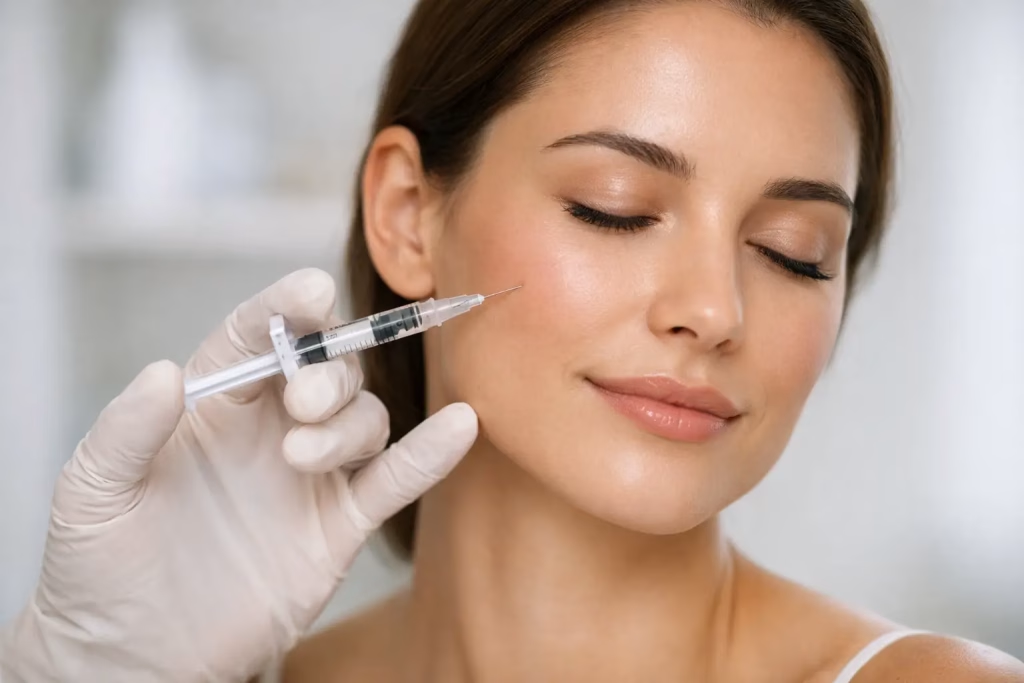
A well-executed skin booster treatment should not make people ask what you have done. It should make them notice that your complexion looks rested, hydrated, and quietly more refined. If you are wondering, will skin boosters look natural, the answer is usually yes – provided the treatment is selected carefully, placed precisely, and matched to what your skin genuinely needs.
Skin boosters are designed for a different result than facial fillers. Rather than creating obvious volume or changing the shape of your features, they focus on improving skin quality from within. The aim is a smoother-looking surface, a more supple feel, and a fresh luminosity that still looks entirely like you.
What a natural skin booster result looks like
Natural does not mean no visible improvement. It means the improvement is in harmony with your face. Your skin may look more hydrated under makeup, less crepey around the cheeks, or more even in the way it reflects light. Fine dehydration lines can appear softened, while areas that often look tired may gain a healthier, more cushioned appearance.
The result is generally subtle because skin boosters are placed in the skin rather than used to sculpt deep facial structure. They are often formulated with hyaluronic acid, a moisture-binding substance found naturally in the body, although the exact formula and treatment approach can vary. By supporting hydration and skin quality, they can help create a polished finish without the fuller contours associated with volumizing injectables.
For many professionals and social individuals, this understated effect is the appeal. You can maintain your expressions, proportions, and personal character while giving your skin a more considered, well-rested appearance.
Will skin boosters look natural for every skin concern?
It depends on the concern being treated and on having realistic expectations. Skin boosters are particularly suited to dehydration, dullness, early fine lines, rough texture, and skin that has begun to lose some of its natural bounce. They can be used on areas such as the cheeks, lower face, neck, décolletage, and hands when appropriate.
They are not a replacement for every aesthetic treatment. If your main concern is deep folds, significant loss of facial volume, pronounced skin laxity, or substantial acne scarring, a skin booster alone may not create the change you are hoping to see. A doctor may recommend a more tailored plan that combines skin boosters with treatments such as energy-based skin tightening, collagen-stimulating procedures, laser treatments, or carefully considered filler.
That distinction protects a natural outcome. When a single treatment is asked to solve every concern, results can become disappointing or overdone. A measured plan respects the fact that hydration, pigmentation, texture, volume, and laxity are separate aspects of skin aging.
Why technique matters as much as the product
A premium injectable product cannot compensate for an imprecise technique. Natural-looking results rely on a practitioner’s assessment of your facial anatomy, skin thickness, degree of dehydration, and existing volume. The product must be placed at the correct depth and in an appropriate amount for the area being treated.
Overtreatment can lead to temporary puffiness, unevenness, or small visible bumps, particularly in delicate areas. Conversely, placing too little product or using an unsuitable technique may mean the result is simply too subtle to meet your goals. The most elegant outcomes usually come from restraint, thoughtful placement, and a clear understanding of what the treatment can and cannot do.
A doctor-led consultation is especially valuable if you have previously had fillers, are prone to swelling, have active skin inflammation, or are unsure whether your concern is primarily dehydration or volume loss. Your treatment should be based on your face rather than a standardized injection pattern.
What to expect immediately after treatment
Skin boosters do not usually deliver their final effect the moment you leave the clinic. Right after injections, you may see small raised points at the injection sites, mild redness, tenderness, or localized swelling. These are common short-term responses and typically settle over the following days, though recovery varies by person and treatment area.
The more refined result develops gradually as the initial swelling resolves and the skin responds to the treatment. Many patients notice their skin looks increasingly hydrated and smoother over the next few weeks. Depending on the formulation, your starting skin condition, and your goals, a course of treatments may be advised before maintenance sessions.
It is wise to schedule treatment with enough lead time before an important event. Although many people return to daily life quickly, allowing at least one to two weeks provides a more comfortable margin for any temporary bruising or swelling to settle.
How to keep the result understated
The best preparation is an honest consultation. Bring up the details that shape safety and results: previous injectables, allergies, medications and supplements, a history of cold sores, current breakouts or rashes, pregnancy or breastfeeding, and any medical conditions. Your practitioner can then decide whether treatment is suitable and how to approach it conservatively.
After treatment, follow the aftercare advice specific to your procedure. In general, this may include avoiding pressure or massage on treated areas unless instructed, postponing strenuous exercise and intense heat for a short period, and keeping your skincare routine gentle while the skin settles. Avoid arranging a facial or aggressive exfoliating treatment too close to your appointment unless your provider has approved it.
A natural result also benefits from continuity. Skin quality is not maintained by injectables alone. Daily broad-spectrum sunscreen, a thoughtful home skincare routine, sufficient hydration, and periodic professional review all help preserve the clarity and resilience that make skin look healthy.
Choosing the right treatment plan
The most polished aesthetic work is rarely about chasing a single trend. It begins with understanding what makes you look like yourself at your best. For one person, that may mean addressing persistent dehydration and makeup that settles into fine lines. For another, it may involve combining a skin booster with a treatment plan for pigmentation, enlarged pores, or early laxity.
At Kelly Oriental Aesthetic Clinic, treatment planning is approached as a personalized journey, with attention to skin health, comfort, and facial balance. A careful assessment helps determine whether a skin booster is the right starting point, which areas may benefit, and whether complementary treatments would produce a more harmonious result.
Common questions about natural-looking skin boosters
Will people be able to tell I had skin boosters?
Most people are more likely to notice that you look refreshed than identify a specific treatment. The exception is the brief recovery period, when injection marks, mild redness, or swelling can be visible. This is why timing and aftercare matter.
Do skin boosters make the face look puffy?
They should not create lasting puffiness when the right product, quantity, and technique are used for the right candidate. Some temporary swelling is possible after injections. If you are prone to fluid retention or have concerns about a particular area, discuss this before treatment so your plan can be adjusted accordingly.
How long do natural-looking results last?
Longevity varies with the formulation, your metabolism, lifestyle, skin condition, and whether you complete an initial treatment course. Your provider can give you a more personalized expectation after evaluating your skin and goals.
The most beautiful results are often the least theatrical: skin that looks hydrated, composed, and alive, without losing the features that make your face distinctly yours.
