

Uncategorized
How Pico Laser Removes Freckles
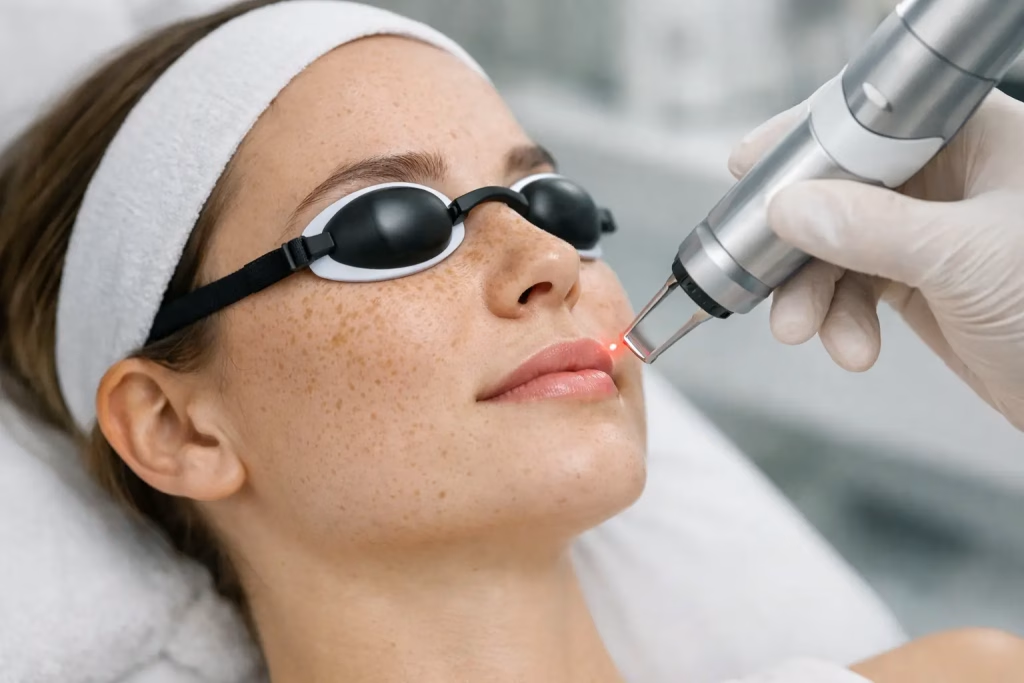
Freckles can be charming until they start to feel uneven, darker than before, or harder to cover with makeup. For many patients, the real question is not whether they can be treated, but how pico laser removes freckles without creating unnecessary downtime or stressing the surrounding skin.
How pico laser removes freckles at the skin level
To understand how pico laser removes freckles, it helps to start with what a freckle actually is. A freckle is a small area of concentrated pigment, usually triggered by genetics and made more visible by sun exposure. Unlike deeper or more complex pigmentation conditions, freckles tend to sit closer to the surface, which is one reason laser treatment can be so effective when properly selected.
Pico laser technology delivers ultra-short pulses of energy in picoseconds, or trillionths of a second. That speed matters. Instead of relying mainly on heat to diffuse pigment, the laser creates a photoacoustic effect that shatters excess melanin into much smaller particles. Once fragmented, these pigment particles can be gradually cleared by the body’s natural processes.
This approach allows treatment to target pigment with a high level of precision. In practical terms, that means the laser focuses on the unwanted pigment while aiming to minimize collateral heat in the surrounding tissue. For patients concerned about recovery time, post-treatment redness, or the risk of overstimulation, that distinction is one of the key reasons pico laser has become a favored option for freckles and other forms of superficial pigmentation.
Why freckles respond well to pico laser
Freckles usually respond well because they are pigment-driven and relatively defined. The laser is not trying to tighten skin, smooth texture, or remodel scars in this context. It is selectively addressing melanin deposits that create visible spotting across the cheeks, nose, forehead, or shoulders.
That said, not every brown spot is a freckle. Sunspots, lentigines, post-inflammatory hyperpigmentation, and melasma can all look similar at a glance, yet they behave very differently under laser treatment. This is where medical assessment matters. Treating melasma as though it were a freckle, for example, can lead to disappointing results or even rebound pigmentation if the plan is too aggressive.
A careful consultation helps distinguish what kind of pigmentation is present, how deep it sits, and whether pico laser is the best standalone option or part of a broader skin strategy.
What happens during treatment
Most sessions are relatively quick, especially when the treatment area is limited to the face. After the skin is assessed and prepared, the laser handpiece passes over the pigmented areas in a controlled pattern. Patients often describe the sensation as light snapping or a quick prickling warmth rather than prolonged heat.
Depending on the device settings and the density of the freckles, some spots may darken temporarily before they lighten. This is a normal part of the process. The pigment has been disrupted, and the skin then begins its natural clearance and renewal cycle.
One of the advantages of pico laser is that the treatment can often be calibrated with nuance. Some patients want a brighter overall complexion with gradual freckle reduction, while others prefer a stronger focus on distinct spots. The best plan depends on skin tone, lifestyle, sun exposure habits, and tolerance for downtime.
How many sessions are usually needed
There is no elegant way to say this except plainly: it depends. Some light freckles respond visibly after one session, while deeper, denser, or more widespread freckles may need a series. Most patients benefit from multiple treatments spaced several weeks apart, allowing the skin to recover and pigment to clear progressively.
The number of sessions also depends on whether the freckles are purely genetic, heavily sun-induced, or mixed with other pigmentation concerns. If there is ongoing UV exposure, freckles can continue to return even after successful treatment. Pico laser can reduce existing pigment, but it cannot override future sun habits.
This is why well-managed expectations matter. The goal is not just to lift visible pigment quickly. It is to improve clarity in a way that remains safe, refined, and sustainable for your skin.
What results look like over time
Freckle removal is rarely an instant before-and-after moment. In the days following treatment, spots may appear slightly darker or more pronounced before they begin to fade. Over the next one to three weeks, the skin typically looks clearer as fragmented pigment is shed and cleared.
With subsequent sessions, the complexion often appears more even overall. Some freckles may disappear almost entirely. Others may soften significantly but not vanish in a single course, especially if they are repeatedly reactivated by sun exposure.
For many patients, the most satisfying result is not just fewer freckles. It is the cleaner, brighter look of skin that reflects light more evenly. The face appears fresher, makeup sits better, and the skin tone looks less visually interrupted.
Who is a good candidate for pico laser freckle treatment
Patients who are bothered by scattered facial freckles, sun-related spotting, or uneven pigment are often good candidates, provided the diagnosis is accurate. Pico laser can be especially appealing for busy professionals because treatment is generally efficient and downtime is often manageable.
Skin tone is an important consideration. While pico technology can be versatile, darker skin tones require thoughtful settings and careful treatment planning to reduce the risk of post-inflammatory hyperpigmentation. A more conservative approach is not a compromise. In many cases, it is the smarter route to a better long-term result.
Freckle treatment may also need to be timed around active tanning, recent sunburn, pregnancy-related pigmentation changes, or skin sensitization from topical products. When skin is inflamed or unstable, patience tends to serve the outcome better than rushing into treatment.
What to expect after treatment
After a session, mild redness or sensitivity can occur, and some pigmented spots may temporarily crust or darken. Most patients can return to normal routines quickly, but the skin should be treated gently for the next several days.
Sun protection is non-negotiable. This is not simply routine advice. It is central to preserving the result and reducing the chance of new or recurrent pigmentation. Broad-spectrum sunscreen, shade, hats, and disciplined reapplication all matter, particularly in high-UV environments.
A well-supported aftercare plan may also include calming skincare, avoidance of harsh exfoliants, and a pause on irritating actives until the skin has settled. If the broader concern includes dullness, dehydration, or textural imbalance, your physician may recommend combining laser treatment with complementary skin therapies at the appropriate stage rather than layering everything at once.
Why customization matters more than the device alone
Patients often focus on the machine, and understandably so. Technology matters. But outcomes are shaped just as much by diagnosis, energy settings, treatment spacing, and aftercare discipline as by the brand of laser itself.
A premium clinic experience should not simply mean a beautiful room or a popular device. It should mean that the treatment plan is calibrated to your skin rather than copied from someone else’s. At a doctor-led practice such as Kelly Oriental Aesthetic Clinic, that personalized approach is what helps turn a promising treatment into a carefully managed result.
Freckles may look simple, but pigmentation rarely is. The right plan respects that complexity while still delivering visible refinement.
The quiet truth about keeping freckles away
Even when you understand exactly how pico laser removes freckles, maintenance remains part of the story. If your skin is genetically freckle-prone or regularly exposed to the sun, new pigment can develop over time. That does not mean treatment failed. It means skin continues to respond to biology and environment.
The best outcomes come from combining precise treatment with realistic maintenance, thoughtful sun protection, and periodic review as your skin changes. When approached that way, freckle treatment feels less like a quick fix and more like a polished, intentional step toward clearer skin that still looks like you.
