
Uncategorized
Double Chin Treatment Options Explained
A softer jawline can change the way the whole face reads on camera, in the mirror, and in person. For many patients, the concern is not simply fullness under the chin – it is the loss of definition, the sense that the lower face looks heavier or less refined than it used to. That is why double chin treatment options are rarely one-size-fits-all. The right plan depends on whether the issue is fat, skin laxity, anatomy, or a combination of all three.
Why a double chin happens in the first place
A double chin can appear even in people who are otherwise slim. Genetics plays a major role in how the chin, jawline, and neck are structured, and some patients are naturally more prone to storing fat beneath the chin. Age is another common factor. As collagen and elastin decline, the skin around the lower face and neck loses firmness, which can blur the jawline and create a heavier appearance.
Posture, weight changes, and facial structure also influence how prominent this area becomes. A smaller chin, for example, may make under-chin fullness look more obvious. This is where an experienced medical assessment matters. Treating visible fullness without understanding the underlying cause can lead to results that feel underwhelming or imbalanced.
Double chin treatment options by concern
The most effective approach starts by identifying what is driving the fullness. In some cases, reducing localized fat is the priority. In others, the real issue is skin laxity or soft tissue descent. Many patients need both contouring and lifting to create a cleaner, more elegant profile.
Fat reduction for submental fullness
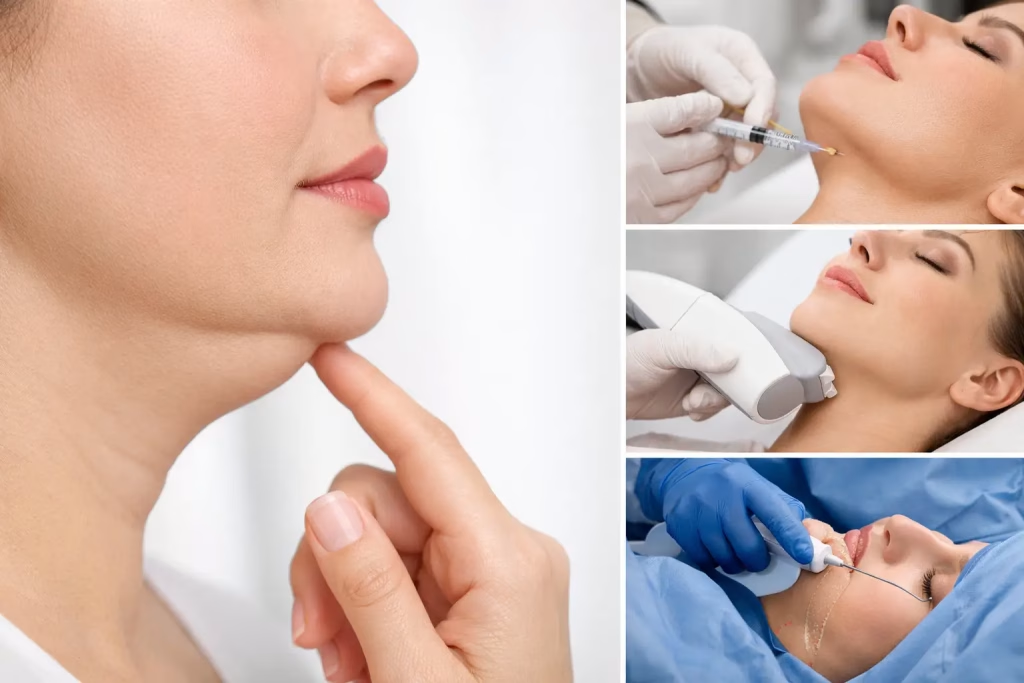
When the main concern is a pocket of fat beneath the chin, injectable fat-dissolving treatments are often considered. These treatments are designed to break down localized fat cells in the submental area, allowing the body to gradually clear them over time. The appeal is obvious: no surgery, no general anesthesia, and a more sculpted neckline achieved progressively.
That said, patience is part of the process. Results typically build over a series of sessions rather than appearing immediately. There can also be swelling after treatment, which patients should plan around if they have social or work commitments. This option tends to suit those with mild to moderate fullness and reasonably good skin elasticity.
Skin tightening and lifting
If the area beneath the chin looks loose rather than simply full, tightening technologies often make more sense. Treatments that use ultrasound or radiofrequency energy can stimulate collagen production in deeper layers of the skin. Over time, this can improve firmness, support the lower face, and sharpen the jawline.
Ultherapy and Thermage are well-known examples in this category. Both are popular for patients who want a non-surgical path to a more defined profile, but they work a little differently and the best choice depends on anatomy, treatment goals, and tolerance for downtime or sensation during the procedure. Skin tightening is especially valuable for patients whose concern has developed with age, or for those who have already lost volume or weight and now notice laxity under the chin.
Combination treatment for better contour
One of the most common reasons patients feel disappointed after a single treatment is that their concern was never just one thing. A patient may have a modest pocket of fat, mild skin looseness, and some loss of jawline support at the same time. In that scenario, reducing fat alone may leave behind looseness, while tightening alone may not fully address bulk.
This is why combination protocols are often the most refined choice. A doctor may recommend staged treatment using fat reduction first, followed by collagen-stimulating technology, or vice versa depending on what will create the most balanced result. The goal is not merely to make the area smaller. It is to restore proportion and definition in a way that looks polished and natural.
How to choose among double chin treatment options
A good consultation should feel precise, not sales-driven. The most important question is not which treatment is trending, but which treatment fits your anatomy. During assessment, the provider should look at skin quality, the amount and location of submental fat, chin projection, jawline structure, and the way the lower face moves at rest and in expression.
Age matters, but not in a simplistic way. A younger patient with dense fat under the chin and firm skin may be well suited to a fat-focused treatment. An older patient with mild fullness but obvious laxity may benefit more from tightening and lifting. Someone with a recessed chin may even need structural support to create a more harmonious profile, because reducing the under-chin area alone will not always solve the visual imbalance.
This is where doctor-led planning becomes especially valuable. An elegant result comes from treating the face as a whole rather than isolating one complaint.
What results should you realistically expect?
The best non-surgical results are visible, but they are also believable. A refined jawline, less heaviness under the chin, and a smoother transition from face to neck are realistic goals. A dramatic surgical-style transformation is not always achievable with non-invasive or minimally invasive treatments alone, especially in cases of significant skin laxity or larger fat deposits.
This is not a drawback so much as an important point of honesty. The most satisfied patients usually understand that aesthetic medicine often works in layers. Improvement may come steadily over several appointments, with the benefit of less disruption and a more natural-looking progression.
Photos are often the clearest way to track progress because day-to-day changes can be subtle. It is also worth remembering that swelling after certain treatments can temporarily make the area look fuller before it looks more sculpted.
Downtime, comfort, and treatment planning
Many patients asking about double chin treatment are balancing appearance goals with demanding schedules. That makes downtime a practical part of the decision. Injectable fat-reduction treatments may involve more visible swelling for several days, while energy-based tightening treatments may have less obvious downtime but require patience as collagen remodels gradually.
Comfort varies too. Some devices create heat or deep energy sensations, while injectables involve localized tenderness. A thoughtful clinic will prepare patients properly, explain what recovery feels like, and build a treatment timeline around work, travel, and social obligations.
For patients who value discretion, the treatment experience matters almost as much as the treatment itself. A premium clinic setting, careful consultation, and attentive aftercare can make the process feel calm, private, and well managed rather than clinical in a cold or transactional sense.
Who is a good candidate?
Good candidates are generally healthy adults who want a more defined lower face and understand the strengths and limits of non-surgical care. They may be bothered by fullness in photographs, a softer side profile, or a neckline that feels less elegant than the rest of the face.
The most suitable candidates usually have mild to moderate under-chin fullness, early to moderate laxity, or both. Patients with severe skin looseness or more extensive tissue descent may still benefit from non-surgical treatment, but expectations should be carefully managed. Sometimes the best outcome comes from improving rather than completely eliminating the concern.
A more refined way to think about treatment
The conversation around jawline contouring often becomes overly simplified, as if everyone needs the same answer. In reality, the lower face is one of the most nuanced areas in aesthetics. A beautiful result depends on restraint, proportion, and choosing the right technology for the right reason.
At a doctor-led clinic such as Kelly Oriental Aesthetic Clinic, that usually means looking beyond the obvious complaint and designing a plan that respects your features rather than chasing a generic template. Some patients need contouring. Others need lifting. Many need a carefully layered blend of both.
If your jawline feels less defined than it once did, the most useful next step is not guessing which treatment sounds best. It is getting a clear assessment of why the change happened and what kind of correction will genuinely flatter your profile. The right treatment should leave you looking fresher, more sculpted, and still entirely like yourself.
