
Uncategorized
Postpartum Body Contouring Examples That Fit You
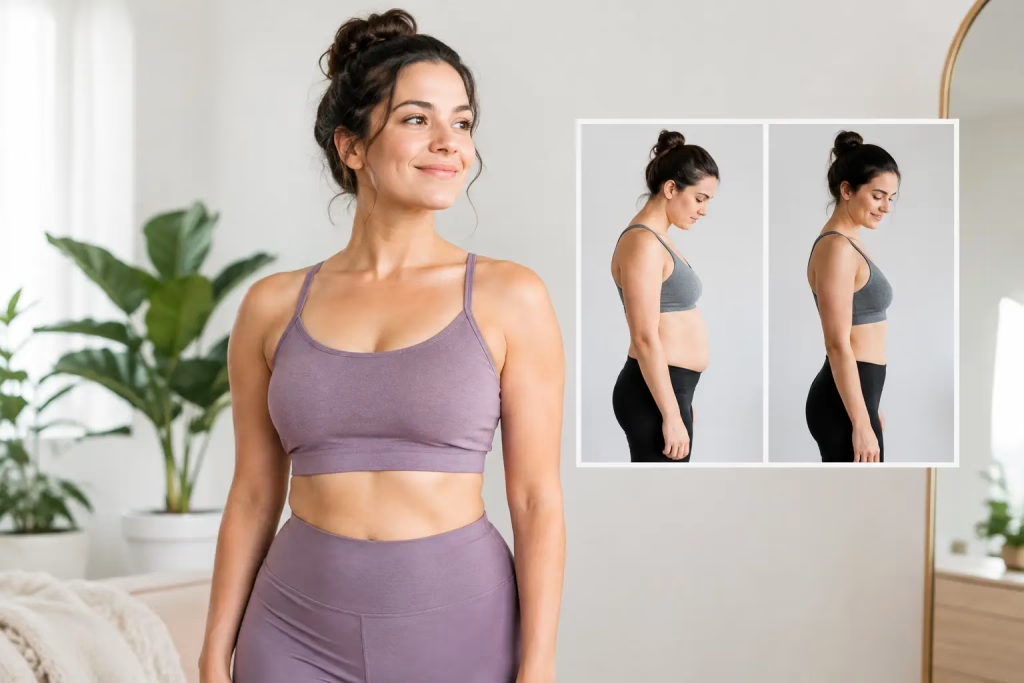
A postpartum body does not need to be “fixed” to deserve care. It has carried, changed, recovered, and adapted. For many women, though, certain changes can remain after rest, movement, and a return to a familiar routine. These postpartum body contouring examples show how a thoughtfully planned, non-surgical approach may address concerns such as persistent fullness, lax skin, and changes in body definition without treating every patient, or every area, the same way.
The right time to consider treatment is personal. Some patients feel ready once they have recovered from delivery and settled into a routine; others prefer to wait until breastfeeding has ended, their weight has stabilized, or future pregnancy plans are clearer. A doctor-led consultation creates space for those details, because the best approach is guided by health, healing, and realistic goals rather than a rushed timeline.
What postpartum body changes can contouring address?
Pregnancy can affect the body in more than one way at once. The skin may have stretched, fat distribution may feel different, and the abdominal area may appear softer even when a patient is close to her pre-pregnancy weight. Hormonal shifts, sleep disruption, breastfeeding, and the physical demands of caring for a newborn can also influence how the body feels and responds.
Non-surgical contouring is generally designed to refine rather than transform. It may help reduce localized fat, encourage firmer-looking skin, improve the appearance of texture, or enhance the definition of a particular area. It is not a substitute for medical care after childbirth, treatment for abdominal muscle separation, or surgery when surgery is the more appropriate option.
A careful assessment matters. Diastasis recti, hernias, pelvic floor symptoms, active breastfeeding, recent cesarean recovery, and significant skin laxity can all affect whether a treatment is suitable and what results are reasonable to expect.
Postpartum body contouring examples by concern
1. Lower-abdomen fullness with good skin elasticity
A common concern is a small, persistent pocket of fullness below the navel. This may remain despite balanced nutrition, regular movement, and a stable weight. When the skin still has relatively good elasticity, a physician may discuss non-surgical fat-reduction treatments intended for localized areas rather than overall weight loss.
In this example, the goal is not a dramatic change in body size. It is a more refined abdominal silhouette and smoother fit through clothing. Results tend to emerge gradually as the body responds over time, which can feel more natural and discreet than an abrupt alteration.
This option is most appropriate when fullness is primarily related to subcutaneous fat. If the abdomen projects because of muscle separation, bloating, or loose skin, fat reduction alone may not create the result a patient has in mind.
2. Softness and crepey skin around the stomach
Some postpartum patients are less concerned with fat than with skin that looks or feels less firm. The area around the belly button, lower abdomen, or sides of the waist may have a crepey texture after the skin has stretched during pregnancy.
Energy-based skin-tightening treatments can be considered in a tailored plan for patients with mild to moderate laxity. These technologies are designed to gently heat targeted tissue and support collagen remodeling over the weeks and months that follow. The outcome is usually a gradual improvement in skin quality and a subtly more supported appearance, not the removal of excess skin.
This distinction is essential. Non-surgical tightening has limits. When loose skin is substantial, a surgical consultation may offer a more honest path toward the level of correction desired. Premium care means being clear about that boundary from the beginning.
3. A less defined waist after pregnancy
The waist can change even when a patient’s weight returns to a familiar range. Some women notice fullness at the flanks, often called love handles, that makes the torso appear less tapered. Others feel that the transition between the ribs, waist, and hips has become less defined.
A customized plan may combine targeted fat reduction at the flanks with skin-supporting treatments where needed. This is one of the more nuanced postpartum body contouring examples because contour is about proportion, not simply reducing volume. Treating the abdomen in isolation may not provide the balanced result that treating the waistline can achieve.
Your provider should assess the body from multiple angles and discuss which areas should be prioritized. For one patient, a conservative approach to the flanks may create the most visible refinement. For another, preserving a soft, natural curve may be more aligned with her aesthetic preference.
4. Stubborn fullness at the upper arms
Postpartum changes are not limited to the midsection. The upper arms may feel fuller or less toned, particularly when weight has fluctuated during and after pregnancy. Some patients also notice mild skin laxity in this area.
If there is a small, localized fat deposit, non-surgical fat reduction may be considered. If the concern is more about skin quality, a collagen-stimulating tightening approach may be more relevant. In many cases, the best result comes from acknowledging both concerns rather than expecting one technology to solve everything.
Upper-arm treatments should be planned with particular attention to skin elasticity. Removing volume from skin that has limited capacity to retract can sometimes make laxity more noticeable. A sophisticated consultation considers this trade-off before recommending treatment.
5. Thigh texture and contour changes
The inner and outer thighs can be affected by pregnancy-related weight changes, fluid retention, and changes in skin tension. A patient may be bothered by fullness on the outer thighs, rubbing at the inner thighs, or a less even appearance of the skin.
Depending on the assessment, treatment may focus on localized fat, skin laxity, or the appearance of cellulite. These are different concerns and should not be treated as interchangeable. Cellulite is influenced by the structure of connective tissue beneath the skin, while localized fat and loose skin require different strategies.
For patients who value subtle, polished results, gradual improvement can be a strength. The aim may be to feel more comfortable in tailored pants, swimwear, or dresses, rather than to pursue an altered body shape that does not feel like their own.
When should you start postpartum contouring?
There is no universal countdown after delivery. Healing after a vaginal birth, cesarean section, or a complicated pregnancy can look very different. Many providers prefer to wait until a patient has completed her initial postpartum recovery, received clearance from her obstetric care team, and reached a more stable baseline in weight and hormones.
Breastfeeding also deserves a thoughtful conversation. While some non-surgical procedures may be considered under specific circumstances, treatment timing and product choices should be reviewed carefully with a qualified medical professional. Injectable treatments, medications, and any procedure with uncertain relevance to lactation require added caution.
Future pregnancies are another practical consideration. If a patient plans to become pregnant again soon, she may choose to postpone a more intensive contouring plan. That does not mean she cannot care for herself now. It simply means choosing treatments that match her current season of life and avoiding pressure to pursue a result that may change again.
What a personalized treatment plan should include
A premium body-contouring experience begins with listening. The conversation should cover pregnancy and delivery history, current recovery, medical conditions, weight stability, breastfeeding status, exercise habits, and the areas that affect confidence most. Photos and physical assessment help determine whether fat, skin laxity, muscle separation, or a combination is contributing to the concern.
An appropriate plan should also explain expected improvement, the number of sessions that may be needed, potential downtime, and when visible changes are likely to appear. Be wary of promises of instant transformation or a single treatment that claims to address every postpartum concern. Bodies recover in layers, and the most elegant results often come from a measured approach.
At Kelly Oriental Aesthetic Clinic, a doctor-led consultation can help patients understand which non-surgical options suit their anatomy, goals, and comfort level. The focus should remain on a curated treatment journey that respects recovery while pursuing visible, refined improvement.
The most worthwhile postpartum contouring plan is one that leaves you feeling more at home in your body, not more pressured by it. Give yourself permission to ask detailed questions, take your time, and choose care that supports both your confidence and your recovery.
