
Uncategorized
Jawline Contouring Results: What to Expect
Oct
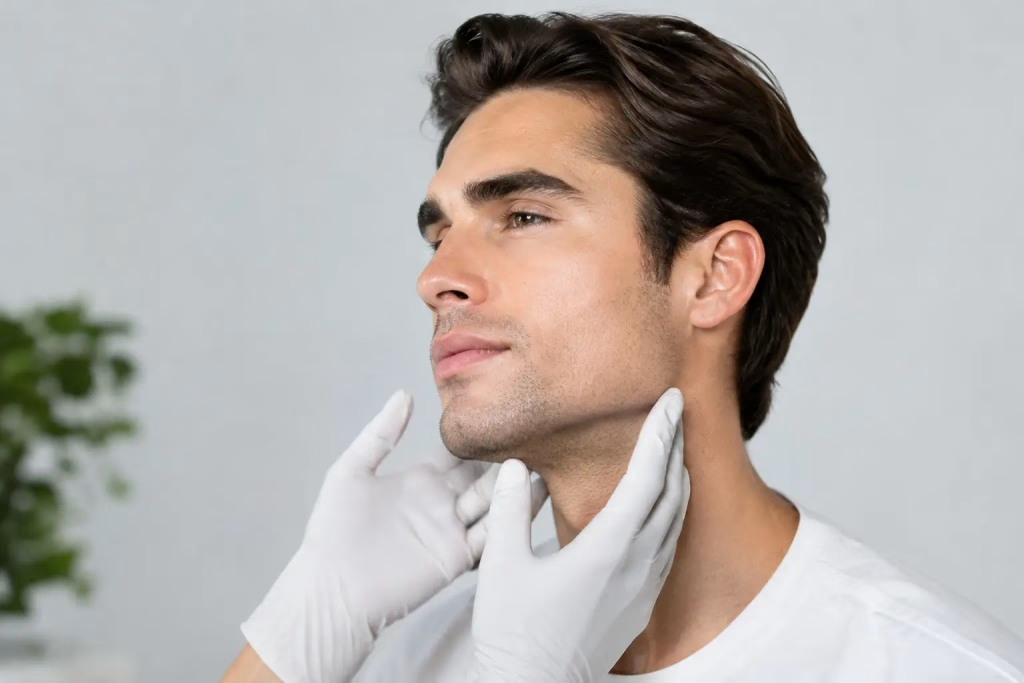
A beautifully defined jawline is rarely about making the face look sharper at any cost. The most flattering outcome respects facial proportions: a smoother transition from chin to neck, a more intentional lower-face shape, and definition that still looks like you from every angle. Jawline contouring results depend on identifying what is softening the area in the first place – excess fullness, skin laxity, a wider masseter muscle, a recessed chin, or a combination of these concerns.
For this reason, the treatment that works beautifully for one person may not be the right choice for another. A doctor-led assessment considers your bone structure, skin quality, facial movement, and aesthetic preferences before recommending a personalized path forward.
What Jawline Contouring Results Can Address
Jawline contouring is not one single procedure. It is a carefully selected approach that may refine the lower face through injectable treatments, energy-based technologies, or non-surgical fat reduction. The goal is balance, rather than an overly angular or artificial result.
For some patients, the concern is a square or heavy-looking lower face caused by enlarged masseter muscles. In these cases, targeted muscle-relaxing injections can gradually create a softer, more tapered silhouette. If the jawline appears less defined because of fullness beneath the chin, a treatment plan may focus on reducing submental fat and improving the contour between the chin and neck.
Others have good underlying structure but notice that collagen loss has blurred a once-crisp jawline. Skin-tightening treatments may help improve firmness and support over time. When the chin lacks projection or the prejowl area appears hollow, strategically placed dermal filler can restore structural continuity along the lower face.
The most refined jawline contouring results often come from treating the actual cause, not simply adding volume where a line is desired.
The Difference Between a Sharper Jawline and a Balanced One
A sharply defined jawline can be appealing in photographs, but facial contouring should also look harmonious in conversation, profile view, and natural daylight. This is where medical judgment matters. Adding too much filler can make the lower face appear broad or heavy, particularly when there is existing fullness or laxity. Likewise, reducing fat without considering skin quality may leave loose skin more noticeable.
A bespoke plan considers facial ratios. Chin projection, cheek support, neck anatomy, bite pattern, and even the strength of the masseter muscles can influence what will look balanced. For women, the desired effect may be a graceful V-shaped lower face. For men, it may be a more structured, squared contour. Neither approach is universally right – the best result reflects the individual.
At Kelly Oriental Aesthetic Clinic, this individualized perspective allows aesthetic treatments to be selected for how they work together, rather than offered as a one-size-fits-all solution.
Treatments That Shape Jawline Contouring Results
Injectable contouring for structure and balance
Dermal fillers can enhance chin projection, smooth prejowl shadows, and create a cleaner line between the chin and jaw. Results are often visible immediately, although mild swelling can temporarily affect the final appearance during the first few days. Depending on the filler used, placement technique, metabolism, and area treated, results may last from several months to well over a year.
The artistry lies in restraint. A small amount of thoughtfully placed filler can create meaningful refinement, while excessive product may compromise the face’s natural softness and movement.
Masseter slimming for a softer lower face
When prominent jaw muscles are responsible for a square facial shape, muscle-relaxing injections can reduce the bulk of the masseters gradually. This is not an instant contouring treatment. Early changes may become noticeable after several weeks, with a more visible slimming effect often developing over two to three months as the muscle reduces in size.
This approach is best suited to muscle-related width, not bone structure or submental fullness. People who clench or grind their teeth may also appreciate functional benefits, although treatment should always be assessed within the context of their overall dental and medical history.
Skin tightening for laxity and loss of definition
Technologies such as Thermage and Ultherapy use energy to support collagen remodeling at different levels of the skin and underlying tissue. They can be valuable when the jawline has softened due to mild to moderate laxity, especially when a patient wants gradual improvement without surgery.
Results develop progressively because collagen renewal takes time. Some patients see an early tightening effect, while the more meaningful improvement generally appears over the following two to six months. Energy-based treatments can enhance definition, but they cannot replicate the lifting power of surgical facial procedures when significant skin laxity is present.
Reducing fullness under the chin
A double chin can obscure an otherwise well-proportioned jawline. Depending on anatomy and suitability, non-surgical fat-reduction treatments may help decrease localized fullness beneath the chin. This can make the transition from face to neck appear more sculpted.
Patience is essential. The area may experience temporary swelling or tenderness, and visible changes tend to emerge gradually over several weeks. If there is substantial loose skin, fat reduction alone may not achieve the desired result, making a combined tightening approach more appropriate.
When Will You See Results?
The timeline varies by treatment, which is why setting realistic expectations is a central part of consultation. Filler-based contouring can offer immediate structural enhancement, though the settled result is clearer once swelling has resolved. Masseter slimming is gradual, while collagen-stimulating treatments reward patience with subtle, progressive refinement.
Combination plans may be staged rather than completed in a single appointment. For example, improving submental fullness first may reveal whether additional chin support is still needed. Similarly, addressing masseter width before adding jawline filler can prevent overcorrection. This measured approach is often more elegant and can make each adjustment easier to assess.
Factors That Influence Your Final Result
Your anatomy sets the foundation. A naturally short chin, a fuller neck, prominent jowls, or a strong skeletal jaw each call for a different strategy. Skin elasticity also matters: younger, firmer skin tends to contract more readily after fat reduction, while mature skin may benefit from collagen-supporting treatment.
Lifestyle can influence how long results remain visible. Weight fluctuations may affect fullness around the jaw and neck. Smoking, sun exposure, and inconsistent skin care can contribute to collagen breakdown. For injectable treatments, individual metabolism, product selection, and muscle activity all affect longevity.
A clear treatment goal also makes a difference. Bringing reference images can be useful, but they should serve as a conversation starter rather than a fixed template. Your facial structure is unique, and the most convincing results are tailored to it.
What to Expect During Recovery
Most non-surgical jawline treatments involve minimal downtime, but “minimal” does not mean no recovery at all. Temporary swelling, tenderness, bruising, or a sense of firmness can occur after injectables. Treatments that target fat beneath the chin may cause more noticeable short-term swelling. Energy-based procedures can leave the skin feeling sensitive or mildly flushed for a brief period.
Your provider will advise you on aftercare based on the treatment selected. This may include avoiding strenuous exercise, alcohol, facial massage, or excessive heat for a short time. Following these instructions helps support a comfortable recovery and allows the treatment area to settle as intended.
Choosing a Plan With Confidence
A premium contouring experience should never feel rushed or transactional. Before proceeding, ask what is creating the lack of definition, what improvement is realistic without surgery, how long the result may last, and whether treatment should be performed in stages. A thoughtful provider will explain the benefits and limitations of each option clearly.
The finest jawline contouring results are not defined by a dramatic transformation. They are seen in the quiet confidence of a profile that feels more balanced, a lower face that appears rested and refined, and a result that remains unmistakably your own.
