
Uncategorized
Why Do Pores Appear Larger? Causes and Care
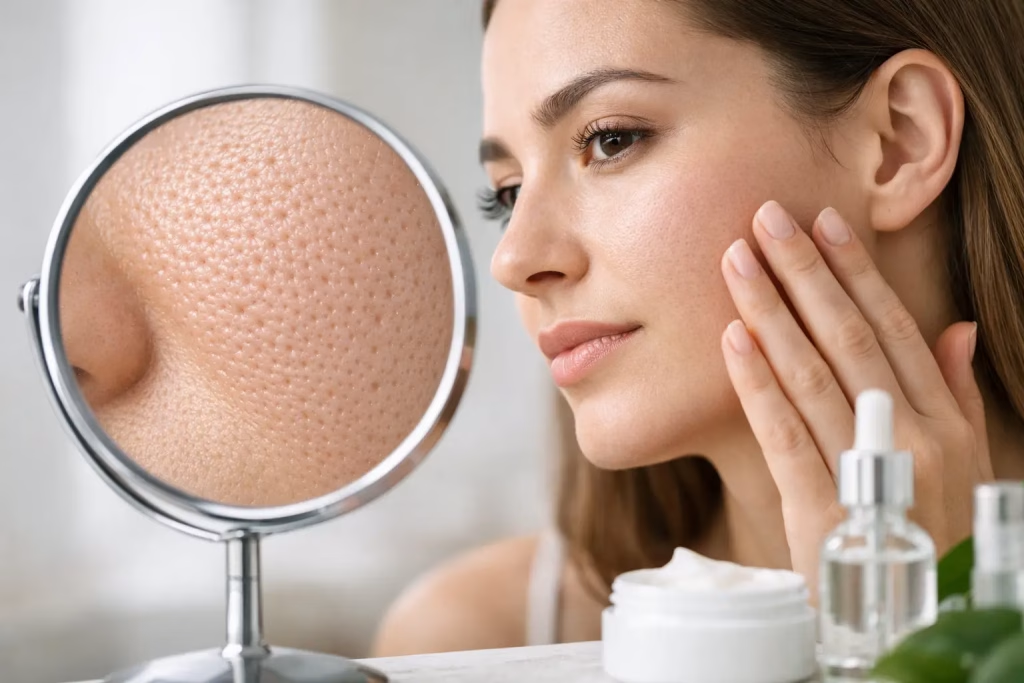
A pore can look more noticeable long before it is truly enlarged. You may see it most clearly after a long day in air conditioning, during a humid commute, or when makeup begins to settle around the nose and cheeks. So, why do pores appear larger? Usually, it is not one single cause. Oil production, congestion, sun exposure, past breakouts, dehydration, and gradual changes in skin firmness can all make pores more visible.
The reassuring truth is that pores are a normal and necessary part of healthy skin. They cannot be permanently erased or physically “closed,” but their appearance can often be refined with thoughtful skincare and a treatment plan tailored to what is making them stand out.
What pores actually are
Pores are tiny openings in the skin that allow sweat and sebum, the skin’s natural oil, to reach the surface. Sebum supports the skin barrier and helps keep skin supple. Most visible facial pores are connected to hair follicles and sebaceous glands, which is why they tend to be most noticeable in oilier areas such as the nose, forehead, chin, and inner cheeks.
Pore size has a genetic component. If close family members have oilier skin or more visible pores, you may be predisposed to the same pattern. That does not mean nothing can be done. It simply means the most elegant approach is to focus on reducing the factors that magnify their appearance rather than chasing an unrealistic poreless finish.
Why do pores appear larger over time?
Visible pores often become more apparent when there is more contrast between the pore opening and the surrounding skin. A smooth, hydrated, even-toned complexion reflects light more evenly. When oil, dead skin cells, discoloration, or textural changes gather around pores, the same openings can look deeper and wider.
Excess oil and congestion
When sebaceous glands produce more oil, it can collect within the pore alongside dead skin cells. The pore may stretch slightly to accommodate that material, especially if congestion is frequent. Blackheads are a common example: oxidized oil and cellular debris create a dark plug that makes the opening look more pronounced.
Oily skin is not a sign of poor hygiene. In fact, overly harsh cleansing, aggressive scrubbing, or repeatedly stripping the skin can trigger irritation and leave the complexion feeling unbalanced. The goal is controlled, consistent cleansing and exfoliation, not a tight or squeaky-clean feeling.
Loss of collagen and skin firmness
With age and cumulative ultraviolet exposure, the skin produces less collagen and elastin. These structural proteins help keep the surrounding skin resilient and supported. As this support softens, pores may appear more elongated, particularly on the cheeks where skin laxity becomes more noticeable.
This is why a product that works beautifully for congested pores at age 25 may not fully address pore visibility at age 45. The concern may have shifted from oil and buildup to a combination of texture, fine lines, and reduced firmness. Treatment should evolve with the skin.
Sun exposure and uneven texture
Sun exposure can affect pore appearance in several ways. It can contribute to collagen breakdown, uneven pigmentation, rougher texture, and dryness at the surface. When the skin is dehydrated, it may also compensate by producing more oil, creating the frustrating combination of a tight-feeling complexion with a shiny T-zone.
Daily broad-spectrum sunscreen is one of the most valuable long-term habits for anyone concerned about visible pores. It will not shrink pores overnight, but it helps protect the collagen framework that keeps skin looking smooth and refined.
Acne, inflammation, and scarring
Recurring breakouts can leave behind more than temporary redness. Inflammation may affect the lining and support structure around the pore, while acne scars can create shadows that resemble enlarged pores or make them seem more obvious. Post-acne marks can add another layer of contrast, drawing the eye to areas that are already textured.
This is where an accurate assessment matters. Enlarged pores, blackheads, sebaceous filaments, and shallow acne scars can look similar in a mirror, but they do not always respond to the same approach. Treating every texture concern as congestion can lead to over-exfoliation without meaningful improvement.
Makeup, skincare, and everyday conditions
Certain foundations and powders can settle into texture, particularly if skin is dehydrated or if the formula is layered heavily. Humidity can increase shine, while dry indoor environments can emphasize flaky skin around the pore opening. Hormonal shifts, stress, and some medications may also affect oil production.
This does not mean you need to abandon makeup or simplify your routine to the point of discomfort. It means preparation matters. Well-hydrated skin, a compatible sunscreen, and lighter layers of complexion makeup often create a more polished finish than pore-blurring products alone.
A refined approach to minimizing pore visibility
At home, the most useful routine is usually calm, consistent, and built around skin tolerance. A gentle cleanser removes sunscreen, makeup, and excess oil without disrupting the barrier. For those prone to congestion, salicylic acid can help clear oil-soluble debris from within pores. Retinoids may support cell turnover and collagen over time, while niacinamide can help balance the look of oiliness and support the skin barrier.
These ingredients are effective, but more is not better. Combining a retinoid, exfoliating acids, scrubs, masks, and strong cleansing brushes in the same routine can cause irritation that makes texture look worse. Introduce one active at a time and adjust frequency according to how your skin responds.
Hydration deserves equal attention. A lightweight, non-comedogenic moisturizer can help the skin retain water and sit more smoothly under makeup. If your skin feels oily, it may still be dehydrated. A healthy barrier often makes oil behavior more predictable and pores less visually distracting.
When professional treatment can help
Skincare supports the surface, but professional care can offer a more targeted response when pores are paired with persistent congestion, acne scarring, uneven texture, or early laxity. The ideal recommendation depends on your skin type, sensitivity, lifestyle, and the reason your pores look more visible.
A Hydrafacial may be appropriate when buildup, dullness, and surface dehydration are central concerns. It combines cleansing, exfoliation, extraction, and hydration to leave skin looking fresher without the recovery associated with more intensive procedures.
For concerns linked to texture, acne scarring, or reduced collagen support, collagen-stimulating treatments may be considered. Sylfirm X uses radiofrequency microneedling technology to support skin renewal and improve the appearance of texture over a series of sessions. Pico Laser treatments may also be incorporated when uneven tone and textural irregularities contribute to a less refined complexion.
There are trade-offs to consider. Gentle treatments may offer a visible glow with little downtime but require regular maintenance. Collagen-focused procedures typically work more gradually, as the skin remodels over time, and may involve temporary redness or sensitivity. A credible plan should account for upcoming events, sun exposure, existing skincare, and how much downtime feels comfortable for you.
At Kelly Oriental Aesthetic Clinic, this distinction is central to a personalized consultation. Rather than treating “large pores” as a single concern, the focus is on identifying whether oil, congestion, acne history, pigmentation, or changes in firmness are the primary drivers, then curating a plan that respects both the skin and the individual behind it.
What not to do when pores look prominent
Avoid picking at blackheads or repeatedly using pore strips. While a pore strip can temporarily remove surface debris, it does not change the pore itself and may irritate sensitive skin. Manual extraction can also lead to inflammation, marks, or scarring when done too aggressively.
Be cautious with DIY remedies that promise to tighten pores instantly. Ice, astringent toners, and harsh alcohol-based products may create a temporary sensation of tightness, but they do not create lasting structural change. In some cases, they can compromise the skin barrier and make redness and texture more apparent.
A more rewarding goal is skin that looks clear, balanced, and well-supported in natural light. With patient care and the right level of professional guidance, pores can become far less of the focal point, allowing your complexion to look polished, rested, and naturally luminous.
