
Uncategorized
Best Treatments for Enlarged Pores That Work
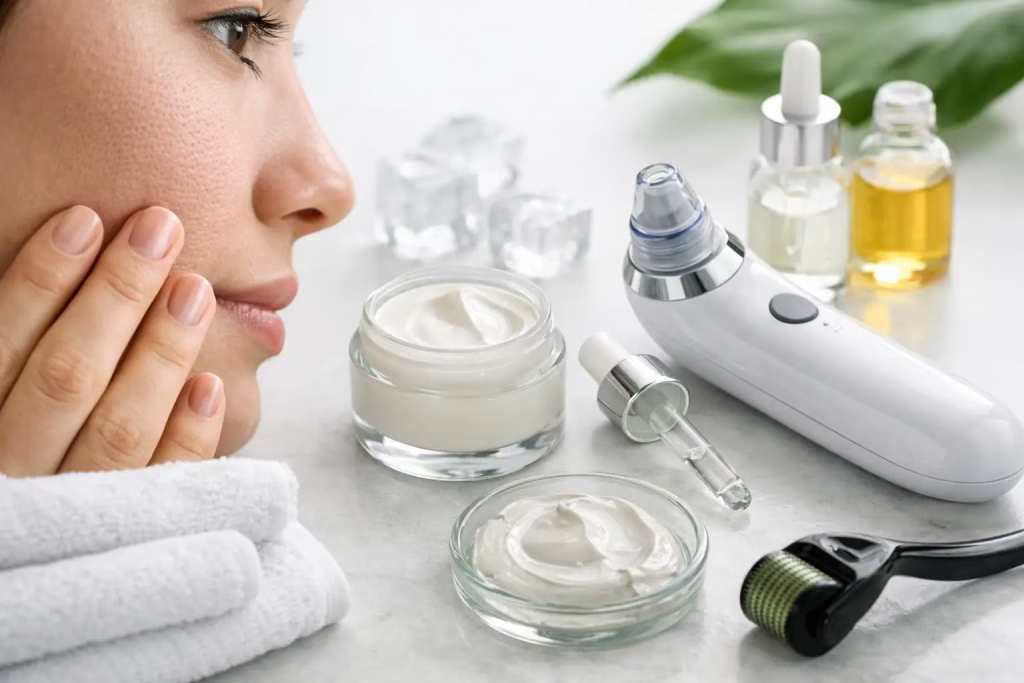
Makeup settling into tiny shadows around the nose, cheeks, or forehead can make skin look less polished even when it is otherwise clear. The best treatments for enlarged pores do not “close” pores permanently – pores are natural skin structures – but they can noticeably refine how prominent they appear by addressing oil congestion, reduced collagen support, uneven texture, and sun-related skin changes.
For many people, enlarged pores are not the result of one issue alone. A thoughtful plan begins with understanding what is making them visible, then pairing professional treatments with skincare that supports the result rather than working against it.
Why pores can look enlarged
Pore size has a genetic component, so some skin types naturally have more visible pores than others. This is especially common through the central face, where oil glands are more active. Excess sebum, makeup residue, and dead skin cells can collect within the pore, stretching its appearance and creating a rougher surface texture.
Collagen matters, too. As collagen and elastin decline with age or repeated UV exposure, the skin around each pore has less structural support. Pores can then appear more pronounced, particularly on the cheeks. Previous acne inflammation may add another layer of concern, leaving textural irregularities that make pores look deeper than they are.
This is why a single “pore minimizer” is rarely the full answer. Oily, congested skin often benefits from purification and controlled exfoliation, while mature or acne-scarred skin may need collagen-stimulating treatments. Many clients need both.
Best treatments for enlarged pores in a clinic setting
A consultation with an experienced aesthetic doctor helps determine whether oiliness, congestion, aging, acne scarring, or sensitivity is the principal driver. The right treatment sequence is as important as the technology itself.
Hydrafacial for congestion and surface refinement
When pores are visibly congested, a professional Hydrafacial can be an elegant place to begin. Its cleansing, exfoliation, extraction, and hydration steps help remove the debris that can make pores look dark and distended, while replenishing the skin with moisture.
This treatment is particularly suitable before an event or as regular maintenance for oily and combination skin. Results often look fresh immediately, although the pore-refining effect is temporary without a consistent routine. For persistent texture concerns, it is usually best used as part of a broader treatment journey rather than as a standalone solution.
Pico Laser for texture and collagen renewal
Pico Laser uses ultrashort pulses of energy to support skin renewal with minimal disruption to the surface. Depending on the chosen mode and settings, it can improve overall tone, the appearance of fine textural irregularities, and the look of enlarged pores by encouraging collagen remodeling.
This option may appeal to those who want visible refinement with relatively little social downtime. A series of sessions is often recommended because collagen improvement develops gradually. The trade-off is that laser treatment should always be tailored to the skin’s sensitivity, pigment tendency, and current level of inflammation. Aggressive settings are not a shortcut to better results.
Sylfirm X for pores with redness, texture, or acne scarring
For enlarged pores accompanied by uneven texture, post-acne changes, or visible redness, radiofrequency microneedling may offer a more targeted approach. Sylfirm X combines precise microneedling with radiofrequency energy to stimulate collagen at controlled depths beneath the skin.
Over a course of treatments, this can help improve the supportive framework around pores and smooth the appearance of shallow acne scars. Mild redness and temporary sensitivity are common after treatment, so it is sensible to schedule sessions around important social commitments. The payoff is a gradual, natural-looking improvement in skin density and refinement rather than an artificial change in facial expression.
Professional peels for dull, congested skin
A professionally selected chemical peel can help regulate surface buildup and encourage a smoother, brighter complexion. Superficial peels are often useful for oily or breakout-prone skin, especially when blackheads and excess sebum make pores look more noticeable.
Peels are not one-size-fits-all. Stronger is not always better, particularly for deeper skin tones or skin that is reactive, dehydrated, or using prescription acne treatments. A carefully chosen peel, introduced at the right frequency, is more likely to deliver an even, refined result without compromising the skin barrier.
The role of medical-grade skincare
Professional treatments create momentum, but daily skincare protects the investment. The goal is not to strip skin until it feels squeaky-clean. Over-cleansing can trigger irritation and leave the complexion dehydrated, which may make texture appear more obvious.
A gentle cleanser, broad-spectrum sunscreen, and non-comedogenic moisturizer provide the foundation. Beyond that, ingredients should be selected according to the skin’s needs. Salicylic acid can help keep oil and debris moving through pores, while retinoids support cell turnover and collagen over time. Niacinamide may assist with oil balance and barrier comfort.
Introduce active ingredients slowly, particularly if you are also having laser, peel, or microneedling treatments. Using too many exfoliating products at once can lead to redness, flaking, and sensitivity – none of which makes pores look better. Your provider may advise pausing certain actives before and after a procedure to allow the skin to recover properly.
What results should you expect?
Pore refinement is a process of improvement, not erasure. Skin can look smoother, clearer, more even, and better able to reflect light, but pores will still exist. The most satisfying results are often seen after a treatment plan that addresses both immediate congestion and longer-term collagen support.
A Hydrafacial may give the complexion an instantly cleaner, more hydrated appearance. Peels can improve brightness and surface smoothness over several sessions. Collagen-based technologies such as Pico Laser and Sylfirm X generally require patience, with changes becoming more evident over weeks as the skin remodels. Maintenance may be appropriate because oil production, sun exposure, and natural aging continue.
Lifestyle also has a quiet but meaningful role. Daily sunscreen helps preserve collagen, while removing makeup thoroughly and avoiding heavy, pore-clogging products can reduce recurrent congestion. Avoid picking blackheads or active blemishes, as repeated trauma can worsen inflammation and leave more lasting textural concerns.
A bespoke plan delivers the most natural refinement
The most effective approach is rarely the most aggressive one. Someone with oily, congested skin may begin with Hydrafacial treatments and a salicylic acid-based home routine. Someone whose pores became more visible after acne or with skin laxity may be better suited to a collagen-focused course with Sylfirm X or Pico Laser, supported by carefully timed maintenance treatments.
At Kelly Oriental Aesthetic Clinic, a doctor-led assessment can help distinguish between true pore enlargement, congestion, acne scarring, and dehydration-related texture. This level of personalization matters because the wrong treatment can irritate the skin, while the right combination can create a complexion that looks rested, smooth, and quietly luminous.
Rather than chasing poreless skin, aim for skin that feels balanced and looks refined up close. With precise treatment selection and consistent care, enlarged pores can become far less distracting – leaving your natural radiance to take center stage.
