

Uncategorized
Your Guide to Pico Laser Recovery and Aftercare
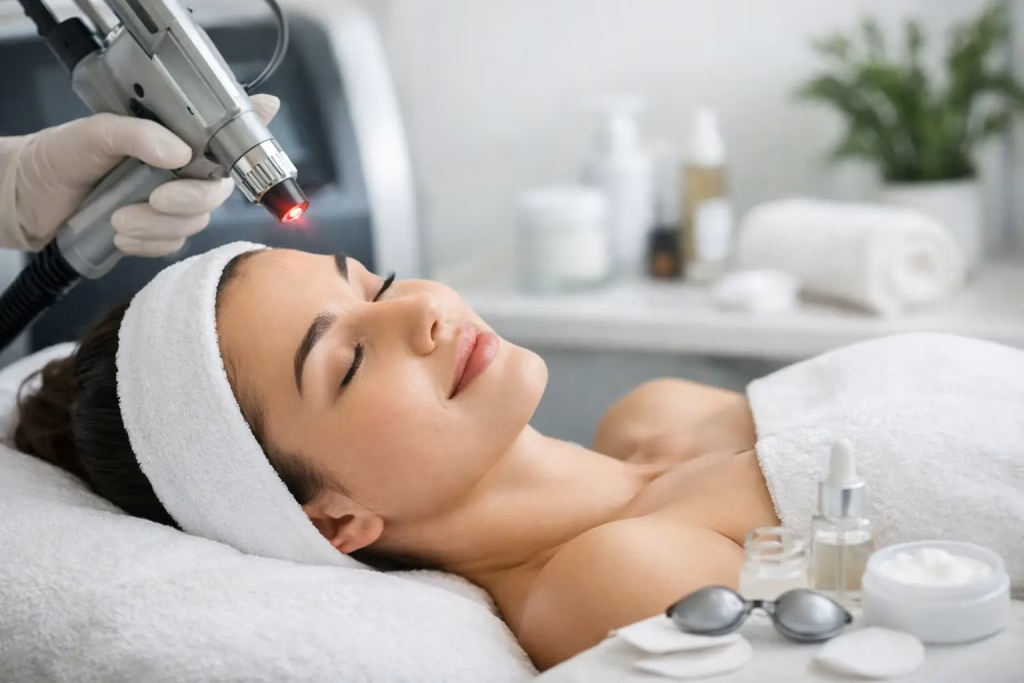
A Pico Laser appointment may fit comfortably into a lunch hour, but the care you give your skin afterward shapes how polished your recovery feels. This guide to pico laser recovery explains what is normal, what to avoid, and how to support a calm, even-looking complexion as your skin responds to treatment.
Pico Laser uses ultra-short pulses of energy to address concerns such as pigmentation, sun spots, acne marks, uneven tone, enlarged pores, and selected tattoo colors. Because treatment settings, target concerns, and skin sensitivity differ, recovery is never identical from one person to the next. For many people, downtime is minimal. For others, particularly after more intensive settings or treatment of deeper pigmentation, the skin may need a little more patience and protection.
What Pico Laser Recovery Usually Feels Like
Immediately after treatment, the skin often feels warm, similar to mild sun exposure. Pinkness, light swelling, and a temporary sensation of tightness are common, particularly across the cheeks, nose, or areas where the laser has been concentrated. These reactions generally settle within a few hours to a couple of days.
When treating freckles, sun spots, or other superficial pigment, the treated areas may look darker before they look clearer. This is an expected part of the process. Pigment can temporarily deepen into tiny brown speckles or a light, coffee-ground appearance before naturally flaking away over several days. Resist the temptation to scrub or pick at these spots. Letting them shed on their own helps protect the skin barrier and lowers the risk of post-inflammatory discoloration.
Recovery can be more noticeable after treatment for acne scars or when a more intensive fractional handpiece is used. You may experience redness, a sandpaper-like texture, pinpoint swelling, or mild dryness for several days. Your provider should explain the anticipated recovery for your precise treatment plan before your appointment.
Pico Laser Recovery Timeline: Day by Day
The first day is about comfort and calm. Redness may be visible, and skin can feel warm or slightly sensitive to touch. A cool compress may feel soothing, provided it is clean and used gently. Avoid applying ice directly to the skin, which can be unnecessarily harsh on a freshly treated complexion.
By days two and three, redness often fades, though some areas may remain pink. Pigmented spots can appear darker, while skin treated with fractional settings may feel dry or finely textured. This is the point at which patients sometimes worry that their skin looks worse. In most cases, it is simply moving through its natural renewal process.
From days four through seven, darkened pigment may begin to lift and flake. Skin texture typically becomes smoother, although dryness can persist if the barrier is not well supported. A simple, hydrating routine is more valuable than introducing new active ingredients in pursuit of faster results.
Over the following weeks, the skin continues its response beneath the surface. Brighter tone and improved clarity may emerge gradually, while collagen-related improvements in texture and pores can take longer. A series of treatments is often recommended for concerns such as melasma, acne scarring, or widespread pigmentation, but the right interval and number of sessions depend on your skin and goals.
Aftercare That Supports a Refined Recovery
For the first several days, think of your skincare routine as recovery care rather than performance skincare. Keep it gentle, hydrating, and deliberately uncomplicated. Cleanse with lukewarm water and a mild cleanser, then follow with a bland moisturizer that your skin already knows and tolerates well.
Sun protection is non-negotiable. Freshly treated skin is more vulnerable to pigment recurrence and irritation, especially if you are treating melasma or sun damage. Apply a broad-spectrum sunscreen with SPF 30 or higher every morning, and reapply when you are outdoors. A hat and shade provide meaningful extra protection, particularly during the first week.
To give your skin the conditions it needs to settle beautifully, avoid the following until your provider advises otherwise:
- Retinoids, exfoliating acids, scrubs, and other potentially irritating active ingredients
- Hot yoga, saunas, steam rooms, vigorous exercise, and very hot showers for the first 24 to 48 hours
- Picking, rubbing, waxing, threading, or shaving directly over sensitive treated areas
- Tanning, prolonged direct sun exposure, and self-tanning products while the skin is healing
- Facials, peels, microneedling, or other energy-based treatments unless they have been specifically scheduled as part of your care plan
Makeup can often be worn the following day if the skin is intact and no longer feels overly sensitive. If you prefer to use it sooner, confirm this with your provider, especially after a fractional treatment. Choose clean brushes and light, non-irritating formulas, then remove makeup carefully at night without friction.
Hydration also matters beyond the products on your vanity. Drink water regularly, avoid excessive alcohol for the first day if your skin is flushed, and prioritize rest. These are modest measures, but they support a more comfortable recovery and a healthier-looking complexion.
What Is Normal, and When to Contact Your Provider
Mild redness, warmth, dryness, temporary darkening of pigment, and gentle flaking are all common parts of Pico Laser recovery. Depending on the treated area and settings used, subtle swelling can also occur, especially around the eyes. These effects should improve rather than intensify.
Contact your treating clinic promptly if you develop increasing pain, significant swelling, blistering, pus, a spreading rash, or redness that becomes progressively worse after the first couple of days. These symptoms are uncommon, but early professional guidance is always preferable to self-treating a reaction at home.
If you have a history of cold sores and are having laser treatment around the mouth, mention it during your consultation. Your physician may recommend preventive medication. Similarly, patients with active acne, eczema, recent sunburn, a tendency toward hyperpigmentation, or a history of keloid scarring need a more tailored plan. This is where a doctor-led assessment adds important value.
Planning Pico Laser Around Work and Social Events
For a gentle brightening session, many patients return to work the same day or the next, with only mild redness that can be managed with sunscreen and a pared-back skincare routine. If you are treating visible pigmentation, acne scars, or having more intensive fractional settings, allow several days before a major event. The pigment-darkening phase can be noticeable even when there is little discomfort.
Do not schedule your first session immediately before a wedding, important presentation, or vacation in strong sun. A first treatment is useful for learning how your skin responds, and it gives your provider the information needed to refine later settings. A considered treatment calendar is part of achieving results without compromising your plans.
At Kelly Oriental Aesthetic Clinic, Pico Laser treatment planning is approached as a bespoke skin journey, taking into account your skin tone, concern, tolerance for downtime, and desired timeline. This personalized approach matters because a setting that is ideal for one patient may be unnecessarily aggressive or too conservative for another.
Protecting Your Results Between Sessions
Pico Laser can create a meaningful improvement in clarity and tone, but it cannot cancel out ongoing UV exposure, inflammation, or an unsuitable home routine. Consistent sunscreen, gentle skincare, and realistic maintenance are what help preserve the result.
For melasma and recurrent pigmentation, maintenance is especially important. Heat, sunlight, hormonal changes, and irritation can all trigger pigment activity. Your provider may recommend a combination approach that includes carefully selected topical skincare, treatment spacing, and conservative laser settings rather than relying on one high-intensity session.
The most elegant Pico Laser recovery is often the least dramatic one: skin that is protected, unhurried, and given space to renew. Before your appointment, ask exactly which products to pause, how long to avoid heat and exercise, and what changes are expected for your treatment setting. That clarity lets you move through recovery with confidence and keep the focus where it belongs – on skin that looks progressively clearer, healthier, and beautifully cared for.
