
Uncategorized
Aesthetic Treatment for Enlarged Pores
May
Large pores rarely appear overnight, and they almost never respond to a single miracle product. For many patients, enlarged pores are tied to a mix of oil production, collagen loss, past acne, sun exposure, and skin texture changes that become more visible over time. That is why aesthetic treatment for enlarged pores works best when it is approached as a tailored skin program rather than a one-off fix.
Pores are a normal part of healthy skin. They allow oil and sweat to reach the surface, helping maintain balance and barrier function. The concern begins when pores look stretched, rough, or uneven, especially around the nose, cheeks, forehead, and chin. In professional settings, this is often less about “opening” or “closing” pores and more about improving the skin structures around them so they appear tighter, smoother, and more refined.
Why pores look enlarged in the first place
Enlarged pores usually develop for several reasons at once. Genetics play a major role, so some people naturally produce more sebum and have more visible pores. Oily or combination skin types often notice this earlier, particularly in humid climates where shine and congestion can become more persistent.
Age is another important factor. As collagen and elastin decline, the skin loses firmness and support. When that support weakens, pores can appear more prominent and elongated. Sun damage tends to accelerate this process, which is why patients sometimes notice that pore visibility worsens with time even if their oil levels have become more stable.
Previous acne can also leave lasting textural changes. Not every enlarged pore is a true scar, but there is often some overlap. Repeated inflammation can affect the surrounding tissue and make the skin surface look uneven. This is one reason pore concerns are often treated alongside acne marks, superficial scars, and rough texture rather than in isolation.
What aesthetic treatment for enlarged pores can realistically do
A refined treatment plan can make pores look significantly less visible, improve overall skin smoothness, and help makeup sit better on the skin. It can also reduce oil congestion, support firmer skin, and create a more polished complexion. What it cannot do is erase pores completely. Any provider promising poreless skin is overselling the result.
The real goal is visible refinement. In a premium medical aesthetic setting, treatment is usually designed around the cause of the pore enlargement. If excess oil is the main issue, the approach may focus on regulation and deep skin renewal. If collagen loss is driving texture changes, energy-based treatments or regenerative options may take priority. If the pores are linked to acne scarring, treatment often needs to go deeper and be staged over time.
In-clinic options for enlarged pores
There is no universal best treatment for every patient. The most effective option depends on your skin type, sensitivity, downtime tolerance, and whether enlarged pores come with acne, pigmentation, redness, or early aging.
Laser treatments for texture refinement
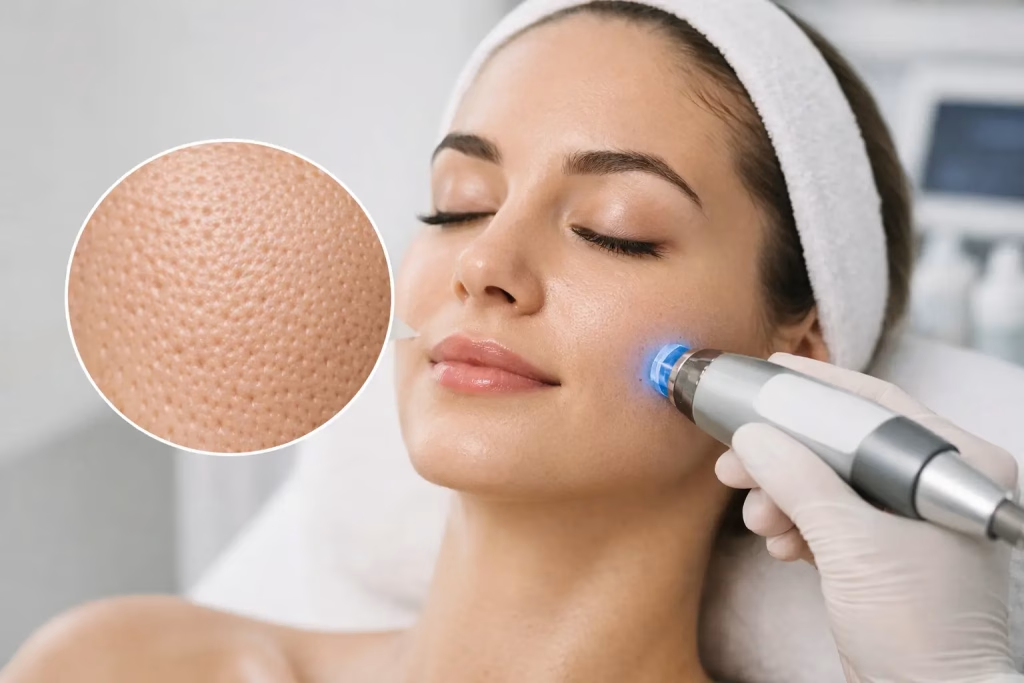
Laser treatments are often chosen when pore visibility is linked to uneven texture, acne marks, or mild photoaging. Devices such as Pico Laser may support overall skin renewal and help improve clarity and smoothness, especially when the concern is not limited to pores alone. Some patients benefit from treatments that stimulate collagen remodeling beneath the skin surface, which can gradually improve how pores appear over a series of sessions.
The trade-off is that results are usually progressive, not instant. Laser-based approaches may also require careful planning for sensitive or reactive skin. For patients with multiple concerns, however, they can be a sophisticated way to address tone and texture together.
Radiofrequency and collagen-stimulating treatments
When pores are enlarged because the skin has lost firmness, collagen-focused treatments can be especially valuable. Technologies that deliver energy into the deeper skin layers may help tighten and support the tissue around the pores, making them appear more compact over time.
This category can suit adults who are also noticing fine lines, mild laxity, or a less refined skin surface. The improvement tends to look elegant and natural because the focus is on skin quality rather than surface masking. Results are not immediate, but they often age well when paired with proper maintenance.
Microneedling and regenerative approaches
For patients dealing with enlarged pores alongside acne scarring or textural irregularities, microneedling-based treatment may be considered. By creating controlled micro-injuries, the skin is encouraged to repair itself and produce new collagen. This can gradually smooth the surface and reduce the look of widened pores.
Some protocols combine needling with targeted serums or skin-healing technologies to support recovery and improve results. This approach can be highly effective, but it does ask for patience. Texture correction is usually cumulative, and multiple treatments are often recommended.
Hydration and skin quality treatments
Not all pore concerns need aggressive resurfacing. In some patients, dehydration, buildup, and poor skin quality make pores look more obvious than they truly are. Hydrafacial and similar medical-grade skin treatments can help clear congestion, improve hydration balance, and leave the complexion looking fresher and more even.
Skin boosters may also be part of the conversation when the skin looks dull, crepey, or tired. Better hydration within the skin can improve overall texture, though this is usually a supportive strategy rather than the only solution for larger pores. It works best as part of a broader plan.
A personalized treatment plan matters more than a trending treatment
Patients often come in asking for the one best aesthetic treatment for enlarged pores, but experienced practitioners know that pore size is only part of the story. Two people can have similarly visible pores for completely different reasons. One may need oil control and gentle resurfacing. Another may need collagen rebuilding. A third may need treatment for post-acne texture and maintenance facials to keep congestion down.
This is where doctor-led assessment becomes valuable. Skin type, degree of oiliness, history of acne, sensitivity, and even lifestyle factors such as sun exposure and work-related downtime all shape the right plan. In a clinic environment that prioritizes bespoke care, the treatment journey should feel precise, not generic.
At Kelly Oriental Aesthetic Clinic, this level of customization is central to how skin concerns are approached. For discerning patients, that means the recommendation is based on what your skin actually needs, not what happens to be popular that month.
What to expect after treatment
Recovery depends on the treatment selected. Some options involve little to no downtime and are suitable for patients who want subtle maintenance with minimal interruption. Others may cause temporary redness, dryness, roughness, or mild swelling for several days.
Visible improvement also follows different timelines. Hydration and cleansing treatments may give the skin an immediate fresher look, but collagen-based treatments typically reveal their best results over weeks to months. This is normal. Pore refinement is often about remodeling the skin, and remodeling takes time.
Maintenance matters as well. Even after successful in-clinic treatment, pores can become more visible again if oil buildup, sun damage, or collagen decline are not managed. Most patients do best with a combination of corrective sessions and ongoing upkeep.
Home care still plays a supporting role
Professional treatment delivers the structural work, but daily skincare helps protect the result. Gentle exfoliation, oil-balancing ingredients, sun protection, and consistent cleansing all help keep pores looking clearer and less prominent. Heavy occlusive products may not suit every skin type, especially in a warm, humid environment.
That said, home care has limits. If enlarged pores are tied to established acne scarring or age-related skin changes, serums alone are unlikely to create meaningful transformation. They are best seen as support, not replacement.
When to seek professional advice
If enlarged pores are persistent, worsening, or accompanied by acne scars, rough texture, recurrent congestion, or early sagging, a professional consultation is worthwhile. The earlier the cause is identified, the easier it is to design a treatment plan that feels efficient and well-matched to your skin.
The most satisfying results usually come from a measured approach. Rather than chasing poreless skin, the focus should be on smoother texture, balanced skin, and a refined finish that still looks natural up close. That is the difference between a quick fix and thoughtful aesthetic care.
