
Uncategorized
A Doctor’s Guide to Skin Booster Treatments
Oct
Skin can look less luminous long before it develops deep wrinkles. Makeup may settle around the eyes, pores can appear more visible, and the complexion may feel persistently dehydrated despite an excellent home routine. This guide to skin booster treatments explains why these refined injectables have become a considered choice for patients who want skin quality to look healthier, smoother, and naturally refreshed.
Rather than changing the shape of your face, skin boosters are designed to support the quality of the skin itself. They are particularly appealing when the goal is quiet, believable rejuvenation – the kind of result that invites compliments on how well-rested you look, not questions about what you had done.
What Skin Booster Treatments Are Designed to Do
Skin boosters are injectable treatments that place hydrating, skin-supporting ingredients at carefully selected levels of the skin. Many formulas are based on hyaluronic acid, a substance that naturally attracts and retains water. Depending on the product and treatment plan, boosters may also contain compounds selected to support hydration, elasticity, and overall skin vitality.
The purpose is not to create volume in the cheeks, sharpen the jawline, or fill a deep fold. Dermal fillers are generally structured to restore or create contour. Skin boosters are usually lighter and more diffusible, with an emphasis on improving hydration and texture across a broader area. The distinction matters because a treatment should always be selected for the concern it is actually intended to address.
For the right candidate, a thoughtful course of skin booster treatments may help the complexion appear dewier, more even, and better rested. Fine dehydration lines can look softer, while skin that feels tight or dull may regain a more supple finish. Results vary according to skin condition, product selection, lifestyle, and the treatment area.
Where Skin Boosters Can Be Used
The face is the most common treatment area, especially the cheeks, under-eye region, forehead, and fine lines around the mouth. Yet skin quality concerns are not limited to the face. The neck, décolletage, and hands can also show dryness, crêpiness, and early textural change that may respond well to a professionally selected booster.
Treatment placement should never follow a one-size-fits-all map. Delicate under-eye skin requires a different approach from the cheeks, and a patient with active acne, pronounced pigmentation, or significant laxity may benefit from a combination plan instead of relying on a skin booster alone. This is where doctor assessment brings value: it aligns the technique and treatment sequence with the skin in front of you.
Who Is a Good Candidate for Skin Boosters?
Skin boosters often suit adults whose primary concern is skin quality rather than facial volume. You may be a suitable candidate if your skin looks dull or dehydrated, makeup no longer sits as smoothly, pores appear more noticeable, or fine lines become more apparent when the skin is dry. They can also be an elegant maintenance option for patients who already receive other aesthetic treatments and want to preserve a fresh, polished complexion.
Age is only one part of the conversation. A person in their late twenties with dehydration and early texture concerns may have a different plan from someone in their fifties with sun damage, lines, and loss of firmness. Skin boosters can improve hydration and surface quality, but they do not replace treatments intended to lift sagging tissue, treat pronounced scarring, or erase deeper wrinkles.
Concerns That May Need a Different First Step
If active acne, eczema, rosacea flare-ups, open lesions, or skin infection are present, treatment is usually deferred until the skin is appropriately managed. Patients who are pregnant or breastfeeding, have certain medical conditions, or take medications that affect bleeding or immune response should discuss their history carefully with a qualified medical professional.
Pigmentation, acne scars, and enlarged pores also deserve a more nuanced conversation. A booster may be a useful complement to procedures such as laser treatments, microneedling, or professionally curated skincare, but it is not automatically the first or only answer. A premium result is rarely about choosing the trendiest treatment. It is about choosing the right treatment at the right time.
What Happens During a Treatment Appointment
A well-planned appointment begins before the first injection. Your practitioner should review your concerns, medical history, skin sensitivity, previous aesthetic treatments, and desired level of improvement. Clinical photographs may be useful for tracking gradual changes, particularly because skin boosters tend to deliver refinement rather than an instant dramatic transformation.
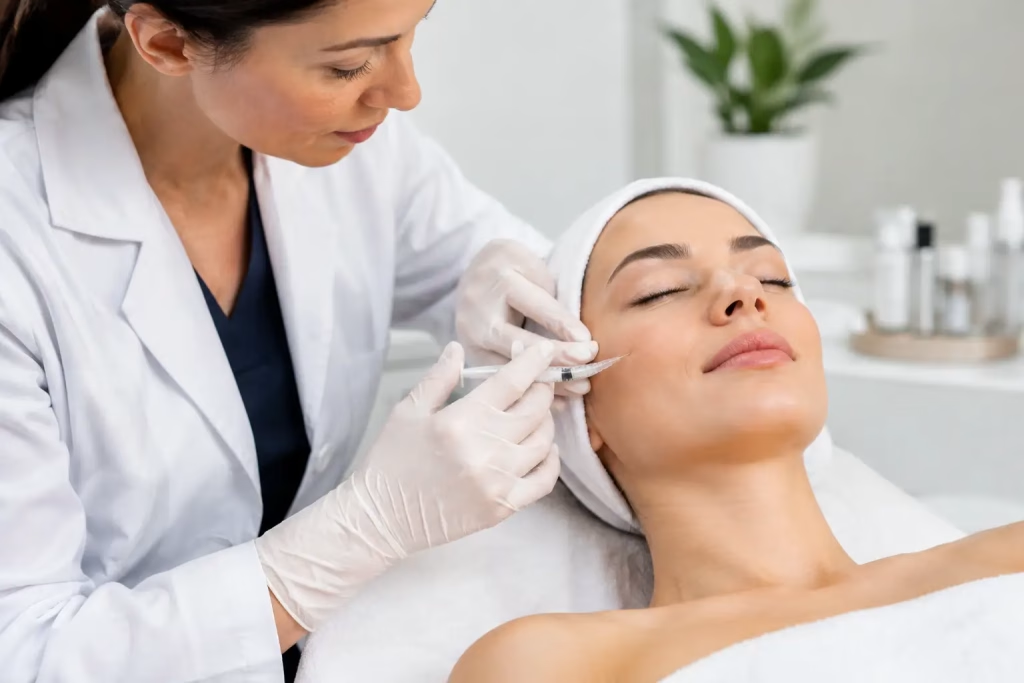
After cleansing the skin and applying topical numbing cream when appropriate, the product may be placed through a series of precise microinjections or with a cannula technique. The method depends on the treatment area, product, and practitioner’s clinical judgment. Most appointments are relatively efficient, though a careful consultation should never feel rushed.
You may notice small raised points, mild redness, tenderness, or swelling immediately afterward. These effects are commonly temporary and often settle within a few days, although bruising can occur. If you have an event or professional engagement, allow enough time rather than scheduling treatment at the last minute.
When You Will See Results and How Long They Last
Some patients notice early hydration and radiance once post-treatment swelling has settled. The more meaningful improvement generally develops gradually as the skin becomes better hydrated and supported over the following weeks. This measured progression is part of the appeal: results can look harmonious with your features and daily expression.
Most treatment plans involve an initial series, followed by maintenance sessions tailored to the formula used, your skin’s response, and your aesthetic goals. Results are not permanent. Sun exposure, sleep, stress, smoking, skincare habits, and natural aging all influence how long the skin retains its improved appearance.
For a more luminous outcome, protect the investment with daily broad-spectrum sunscreen, consistent hydration, and a skincare routine appropriate for your skin type. Treatments work best when they are part of a considered long-term approach, not an isolated appointment.
Safety, Recovery, and Choosing the Right Provider
Injectable treatments should be approached with the same care as any medical aesthetic procedure. Even when downtime is limited, skin boosters carry potential risks, including swelling, bruising, tenderness, infection, allergic reaction, and less common vascular complications. Choosing an experienced, properly qualified medical provider helps ensure that product selection, injection technique, and post-treatment guidance are handled responsibly.
After treatment, avoid pressing or massaging the area unless specifically instructed. It is also wise to postpone strenuous exercise, alcohol, excessive heat exposure, and facials for the period advised by your provider. Follow-up guidance matters, especially if you experience worsening pain, unusual discoloration, prolonged swelling, or any concern that does not feel consistent with normal recovery.
At Kelly Oriental Aesthetic Clinic, skin booster planning is approached as part of a bespoke skin journey. Doctor-led assessment and a calm, elevated treatment environment allow each plan to reflect your skin’s needs, schedule, and comfort level – whether you are seeking a subtle glow before a milestone or sustained improvement in skin quality over time.
The Most Refined Results Start With Restraint
The best skin booster treatment is not necessarily the most intensive option or the one your friend received. It is the one that respects your skin’s current condition and moves it toward a healthier-looking version of itself. When clinical precision is paired with a personalized plan, refreshed skin can remain exactly what it should be: recognizably yours.
