
Uncategorized
Dehydrated Skin Treatment for Lasting Radiance
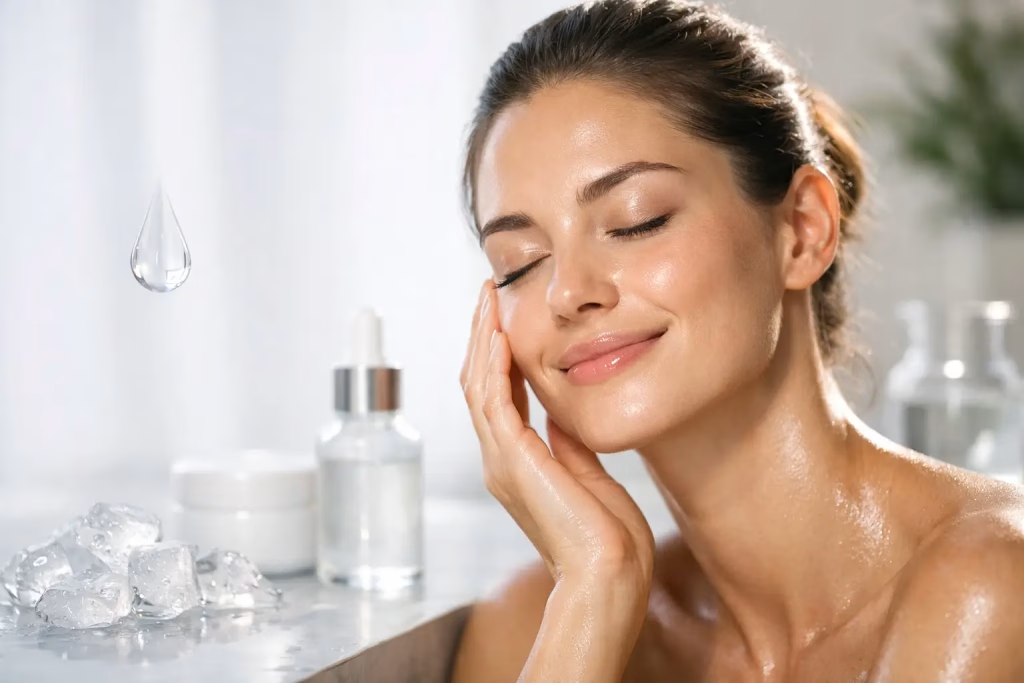
Skin that looks tired by midday, feels tight after cleansing, or suddenly shows fine lines more prominently may not simply be dry. It may be dehydrated. A thoughtful dehydrated skin treatment focuses on restoring water within the skin, strengthening its protective barrier, and addressing the habits or environmental factors that continue to drain moisture away.
Unlike a fleeting glow from a rich moisturizer, well-hydrated skin tends to look smoother, more luminous, and better able to tolerate active skincare. The right approach is not about adding every hydrating product at once. It is about identifying what your skin is asking for, then creating a tailored plan that supports visible, lasting improvement.
What Does Dehydrated Skin Look and Feel Like?
Dehydration is a skin condition, not a skin type. Even oily or acne-prone skin can become dehydrated. When the skin lacks water, it may overproduce oil in response, leaving the complexion both shiny and tight. This is one reason dehydration is often mistaken for oiliness, congestion, or sensitivity alone.
Common signs include a dull or less-reflective complexion, makeup that settles into fine lines, a tight feeling after washing, rough texture, flaking around the nose or mouth, and skin that appears more reactive than usual. Some people notice that their skincare suddenly stings, even when they are using products they have tolerated before.
Dry skin, by comparison, is generally a skin type characterized by insufficient natural oil production. Dry skin and dehydrated skin can occur together, but they need slightly different support. Dry skin often benefits from replenishing lipids and emollients, while dehydrated skin needs water-binding ingredients alongside barrier care. A professional assessment can distinguish between the two and prevent a routine that feels rich but still leaves the skin thirsty.
Why Skin Becomes Dehydrated
Singapore’s humidity does not make dehydration impossible. Air-conditioned offices, long commutes, frequent cleansing, travel, late nights, stress, and sun exposure can all affect the skin’s water balance. Even an otherwise polished skincare routine can become dehydrating when it includes too many exfoliating acids, retinoids, clay masks, or strong cleansers without enough recovery time.
A compromised skin barrier is often part of the picture. The barrier is the outermost layer that helps keep beneficial moisture in while shielding skin from irritants. When it is weakened, water escapes more easily through transepidermal water loss. The result can be tightness, sensitivity, uneven texture, and a complexion that does not seem to respond as expected to skincare.
Age can also play a role. As skin matures, its ability to retain moisture and produce supportive lipids changes. Fine lines may become more apparent when the skin is dehydrated, even before they represent a fixed wrinkle. Replenishing hydration cannot erase every line, but it can noticeably improve the skin’s softness, bounce, and overall finish.
Dehydrated Skin Treatment Begins With Barrier Support
A successful dehydrated skin treatment is rarely based on one product or one appointment. It starts with reducing what is stripping the skin, then layering in hydration and barrier-supportive care.
At home, gentle cleansing is usually the first adjustment. If skin feels squeaky-clean immediately afterward, the cleanser may be removing too much. Follow with hydrating formulas that draw water into the skin, then use a moisturizer suited to your skin type to help retain it. Ingredients such as hyaluronic acid, glycerin, panthenol, ceramides, squalane, and niacinamide can be valuable, although the ideal combination depends on your skin’s sensitivity, oil production, and current concerns.
Application technique matters more than many people realize. Hydrating serums are often most comfortable when applied to slightly damp skin, followed promptly by moisturizer. During a period of sensitivity or dehydration, it may also be wise to simplify your routine temporarily. A carefully chosen cleanser, hydrating serum, moisturizer, and daily broad-spectrum sunscreen can be more beneficial than a crowded regimen of active products.
Sunscreen deserves particular attention. UV exposure can weaken the barrier and contribute to dehydration, pigmentation, and premature signs of aging. A sunscreen that feels comfortable enough for everyday wear is more useful than one that remains unused on the shelf.
In-Clinic Options for Deeper Hydration Support
When dehydration persists despite good home care, professional treatments can provide a more intensive reset. The best option depends on whether the concern is limited to dehydration or appears alongside dullness, enlarged pores, fine lines, acne, rosacea-prone skin, or uneven texture.
A Hydrafacial can be a suitable choice for skin that feels congested yet depleted. The treatment cleanses and exfoliates while infusing the skin with hydrating solutions, making it particularly appealing for those who want a refreshed appearance without aggressive downtime. However, the exfoliation step should be tailored carefully for highly sensitive or actively irritated skin.
LDM, or Local Dynamic Micromassage, uses ultrasound technology to support skin recovery and hydration-focused care. It may be considered for clients whose skin is easily reactive or whose barrier needs a gentler, restorative approach. Treatment plans can also incorporate calming professional masks and carefully selected topical products to enhance comfort and moisture retention.
For deeper, more sustained hydration concerns, skin boosters may be recommended by a doctor after an appropriate consultation. These injectable treatments are designed to improve skin hydration and quality from within, rather than alter facial shape or create volume in the way traditional fillers do. They can be especially valuable for skin that looks crepey, lacks radiance, or shows persistent dehydration across the cheeks, under-eye area, neck, or décolletage.
There is no universal “best” treatment. Someone preparing for an event may prefer a gentle facial treatment with minimal downtime, while someone experiencing recurring tightness and fine lines may benefit from a more structured plan combining professional treatments and medical-grade home care. At Kelly Oriental Aesthetic Clinic, this decision is best guided by a doctor-led consultation that considers skin condition, lifestyle, sensitivities, and desired results.
Habits That Help Hydration Last
Professional care works best when the skin is protected between appointments. Drinking sufficient water supports overall health, but it is not a substitute for topical hydration and barrier care. The skin needs both internal wellness habits and external support.
Pay attention to the smaller daily factors that can quietly undermine results. Very hot showers, over-cleansing after workouts, harsh physical scrubs, and frequent use of multiple active ingredients can all leave the complexion less resilient. Indoor air conditioning may also intensify tightness, particularly for those who spend long hours in offices or on flights.
If you use retinoids, exfoliating acids, or acne treatments, balance is key. These ingredients can be highly effective when used appropriately, but they may need to be reduced temporarily when the barrier is compromised. Rather than stopping every active product indefinitely, a clinician can help determine whether the issue is the product itself, the frequency of use, or an underlying skin condition such as eczema, rosacea, or acne-related inflammation.
When Tightness Needs Medical Attention
Persistent dryness, itching, redness, cracking, or burning should not be dismissed as a cosmetic concern. These symptoms can overlap with dermatitis, rosacea, allergic reactions, or other skin conditions that require more specific evaluation. Similarly, sudden changes in skin texture or sensitivity deserve attention, particularly if they occur after introducing a new product or treatment.
A customized consultation offers the advantage of looking beyond the surface. The goal is not simply to make skin appear temporarily dewy, but to understand what has disrupted its balance and select treatment accordingly. With the right level of care, hydration becomes part of a skin strategy that feels comfortable, refined, and sustainable.
Your skin does not need to feel tight to feel clean, and it does not need layers of heavy product to look luminous. A measured, personalized approach can bring it back to the calm, supple quality that makes healthy skin look effortlessly well cared for.
