
Uncategorized
A Guide to Post Procedure Skincare That Protects Results
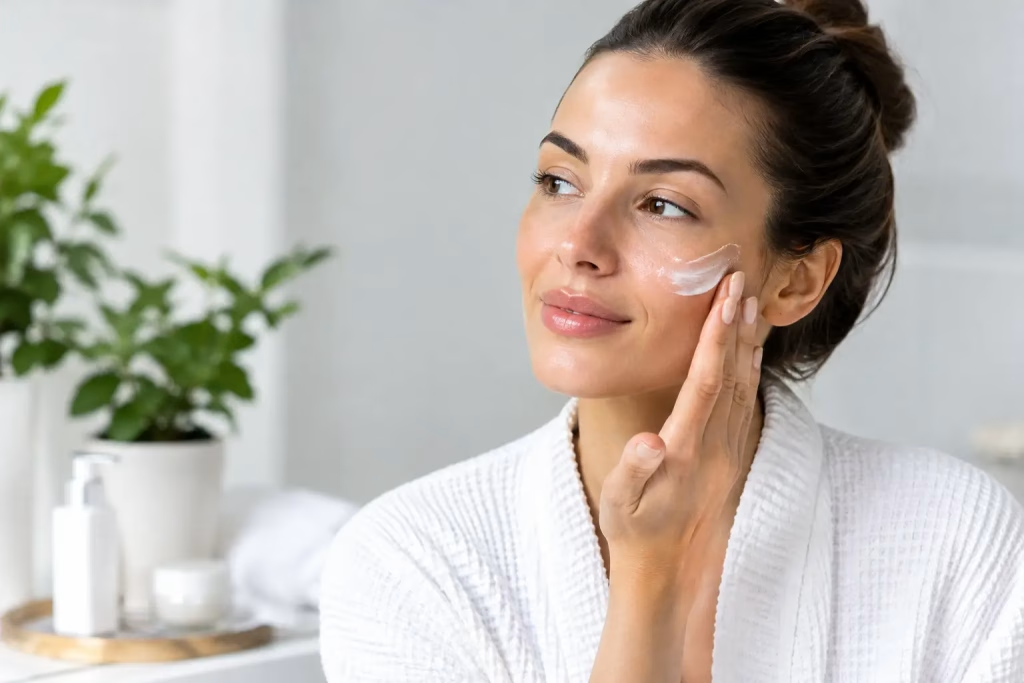
Your treatment does not end when you leave the clinic. The hours and days that follow are when skin begins its visible recovery, making a thoughtful guide to post procedure skincare just as valuable as the treatment itself. Whether you have chosen laser resurfacing, a Hydrafacial, microneedling, skin boosters, or an energy-based lifting treatment, the right routine can help preserve comfort, protect your investment, and support a luminous result.
Post-treatment skin is temporarily more reactive than usual. It may feel warm, look flushed, or appear slightly tight, depending on the procedure. This is often part of the skin’s natural response, but it also means that restraint is a form of care. The goal is not to add more products or chase an immediate glow. It is to create the calm, protected conditions that allow your skin to recover beautifully.
Why Post-Procedure Care Deserves Precision
Aesthetic treatments work in different ways. Pico Laser may target pigmentation or textural concerns through controlled energy, while treatments such as Sylfirm X create a carefully managed skin response to support collagen renewal. Hydrafacial focuses on cleansing, exfoliation, hydration, and infusion, whereas injectables and skin boosters involve their own recovery considerations.
Because the mechanisms differ, aftercare should never be one-size-fits-all. A personalized recommendation from your doctor or therapist should always take priority over general advice, particularly if you are prone to acne, rosacea, eczema, post-inflammatory hyperpigmentation, or cold sores. Your treatment intensity, current skin condition, and home routine all influence what your skin will tolerate.
There is one principle that applies widely: simplify. Freshly treated skin benefits from fewer variables, not a cabinet full of active ingredients. A gentle, considered routine can reduce avoidable irritation and help you read your skin clearly as it settles.
The First 24 Hours: Keep Skin Calm and Clean
For the first day after many facial treatments, avoid touching the area unless your hands are clean. Skin may be more vulnerable to friction and transfer from makeup brushes, phones, pillowcases, and hands. If your provider has instructed you to cleanse, use cool to lukewarm water and a mild, non-exfoliating cleanser. Pat dry rather than rubbing.
Hydration should feel comforting, not complicated. Reach for a simple moisturizer or recovery product recommended by your provider, ideally one designed to support the skin barrier without fragrance, acids, scrubs, or strong botanical extracts. If skin feels warm, a clean cool compress may be soothing. Avoid applying ice directly to the skin unless you have been specifically advised to do so.
Makeup is best postponed whenever possible. After a gentle hydrating facial, some patients may be cleared to resume makeup sooner than after laser or microneedling treatments. However, allowing your skin a makeup-free window reduces friction and lets redness settle without additional layers.
Exercise, saunas, steam rooms, hot yoga, and hot showers are also best avoided in the immediate period after many procedures. Heat and perspiration can intensify redness or sensitivity. The exact timeline varies, so follow the instructions given for your particular treatment rather than relying on a standard rule.
Your Guide to Post Procedure Skincare in the First Week
As the initial warmth or redness fades, it can be tempting to return immediately to your usual regimen. This is where many patients unintentionally overcorrect. Skin may look composed on the surface while its barrier is still recovering underneath.
For several days, or longer if directed, pause exfoliating acids such as glycolic, lactic, and salicylic acid. Retinoids, scrubs, cleansing brushes, peeling pads, and high-strength vitamin C serums can also be too stimulating for recovering skin. Even products you use regularly may sting temporarily. That does not necessarily mean they are unsuitable forever, but it can be a sign that reintroduction is happening too soon.
A refined recovery routine generally centers on three steps: gentle cleansing, replenishing moisture, and diligent sun protection. If your skin is very dry or sensitized, your provider may suggest a richer barrier-supportive moisturizer. If you are acne-prone, the formula may need to feel lighter. This is why bespoke guidance matters – comfort and compatibility should guide product selection, not trends.
Do not pick at flaking, tiny scabs, or rough patches after resurfacing treatments. Picking can prolong inflammation and increase the risk of marks, particularly in skin prone to pigmentation. Let shedding happen naturally, and contact your clinic if you are unsure whether a change in texture is expected.
Sun Protection Is Part of the Treatment Plan
In a bright climate such as Singapore’s, sun care is not an optional finishing step. UV exposure can worsen post-treatment sensitivity and may contribute to unwanted pigmentation, especially after laser-based procedures, chemical exfoliation, or microneedling.
Use a broad-spectrum sunscreen with SPF 30 or higher, unless your provider advises otherwise. Apply it generously in the morning and reapply when you are outdoors, near windows for extended periods, or perspiring. A wide-brimmed hat, sunglasses, and shade provide meaningful additional protection, particularly during the first week.
The texture of your sunscreen matters, too. If your skin is tender, choose a formula that feels comfortable enough to wear consistently. A product that stings or pills under moisturizer is less likely to become part of your daily routine. Your aesthetic provider can help you identify an appropriate option for your skin type and procedure.
Know What Is Expected and What Needs Attention
Mild redness, a warm sensation, sensitivity, pinpoint marks, temporary swelling, or light flaking can be expected after certain treatments. The degree and duration depend on the technology used, the area treated, and your individual skin response. For example, a treatment designed for more intensive resurfacing will have a different recovery profile than a gentle hydration-focused facial.
What should prompt you to contact your provider? Increasing pain, spreading redness, significant swelling, blistering, pus, persistent itching, or a rash are not concerns to manage alone. The same applies if you develop an unexpected reaction after applying a product. Early communication allows your clinical team to assess the situation and advise you safely.
Patients with a history of cold sores should mention it before treatments around the mouth, as preventative medication may be appropriate for certain procedures. If you are pregnant, breastfeeding, taking prescription medication, or managing an active skin condition, your aftercare plan may require further adjustment.
Returning to Active Skincare Thoughtfully
When skin feels calm, hydrated, and no longer reactive, active ingredients can be introduced gradually. Do not restart everything on the same evening. Begin with one familiar product, use it less frequently than before, and observe your skin for several days. If stinging, persistent redness, or tightness returns, pause and ask your provider for guidance.
Treatments are often part of a longer aesthetic journey rather than a single appointment. This is especially true for pigmentation, acne scars, enlarged pores, and collagen-focused rejuvenation. Consistent sunscreen use, a suitable home regimen, and well-spaced maintenance sessions can make results look more polished over time than any aggressive product cycle.
At Kelly Oriental Aesthetic Clinic, post-treatment care is approached as an extension of the treatment experience: considered, individualized, and attentive to the details that help skin recover with confidence.
Beautiful results are rarely rushed. Give your skin the quiet recovery time it deserves, follow your personalized instructions closely, and let each treatment become part of a routine that supports healthy-looking skin long after the appointment.
