
Uncategorized
How to Maintain Hydrafacial Results Longer
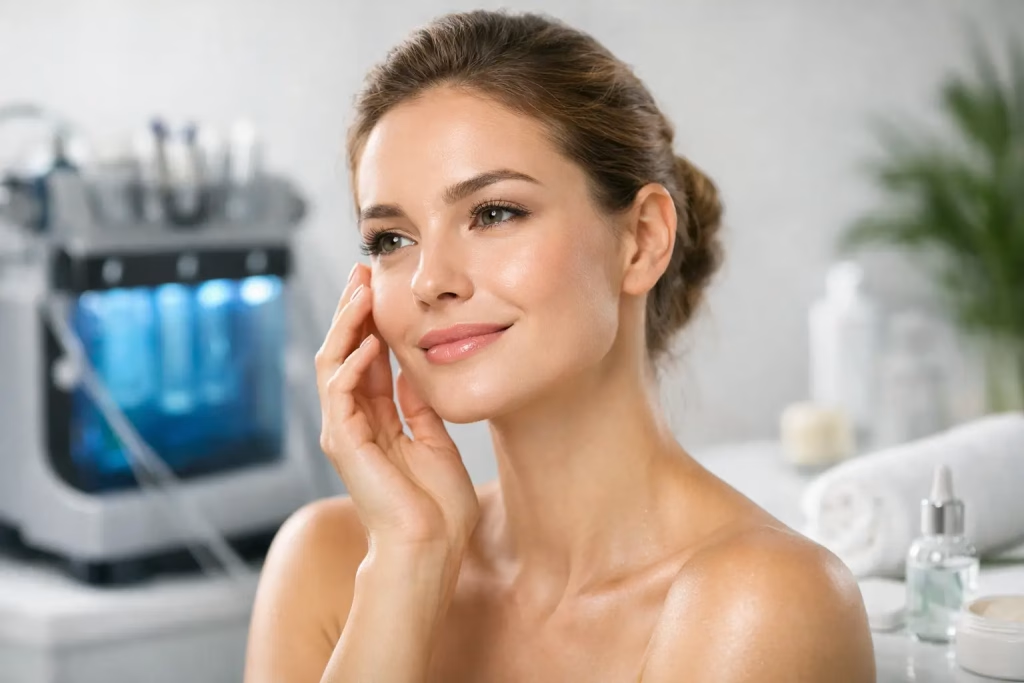
That post-Hydrafacial glow is easy to love – skin looks clearer, feels smoother, and makeup tends to sit better almost immediately. The real question is how to maintain Hydrafacial results once you step back into daily life, where sun exposure, air-conditioning, stress, makeup, and inconsistent routines can gradually dull that fresh finish.
A Hydrafacial gives skin a valuable reset. It deeply cleanses, exfoliates, extracts congestion, and infuses the skin with targeted hydration. But the treatment itself is only part of the picture. What you do in the next few days, and in the weeks that follow, has a direct effect on how long your results remain visible.
Why Hydrafacial results fade sooner for some people
Not all skin behaves the same way after treatment. Someone with dehydrated but otherwise balanced skin may enjoy a luminous finish for longer, while a person with oilier skin, persistent congestion, acne-prone concerns, or frequent sun exposure may notice that glow softens faster. Lifestyle matters too. Late nights, intense workouts right after treatment, active breakouts, and overuse of exfoliating products can all shorten the polished look people want to hold onto.
This is why maintenance should never be reduced to a generic aftercare sheet. Skin condition, climate, age, and product choices all shape the outcome. In a humid environment, for example, people often assume they do not need as much hydration, yet dehydrated skin is still common and can quietly compromise texture and radiance.
How to maintain Hydrafacial results in the first 72 hours
The first few days matter more than many people realize. Skin is freshly exfoliated and highly receptive, which is excellent when you support it properly and less ideal when you overwhelm it.
Keep your routine gentle. Use a mild cleanser, a hydrating serum, a moisturizer suited to your skin type, and broad-spectrum sunscreen during the day. If you already use actives such as retinol, glycolic acid, salicylic acid, benzoyl peroxide, or stronger exfoliating pads, it is usually wise to pause them briefly unless your provider has advised otherwise. Too many strong ingredients too soon can lead to irritation, tightness, and unnecessary sensitivity.
Heat is another common issue. Steam rooms, saunas, very hot showers, and intense exercise immediately after treatment may provoke redness or make skin feel reactive. A short pause is often worth it. The same goes for picking at pores or trying to “help” lingering impurities clear faster. Let the skin settle.
Makeup is not always off-limits, but lighter is better right after treatment. If you can give your skin a little breathing room, you allow the freshly treated surface to stay calm and hydrated.
Your home routine determines how long the glow lasts
If you want to know how to maintain Hydrafacial results beyond the initial glow, home care is where the answer usually lives. The goal is not to create a complicated 10-step routine. The goal is to protect the skin barrier, preserve hydration, and avoid undoing the benefits of the treatment.
Start with cleansing. A non-stripping cleanser helps remove sunscreen, makeup, and daily buildup without leaving skin tight. Cleansers that leave your face squeaky clean often remove more than dirt – they can disrupt the barrier and trigger rebound oiliness or irritation.
Hydration comes next. Look for ingredients such as hyaluronic acid, glycerin, panthenol, or ceramides. These support water retention and help skin remain supple, which extends that smooth, refreshed feel people associate with a good Hydrafacial.
Moisturizer matters even if your skin is oily. Well-hydrated skin often appears more refined and balanced. Skipping moisturizer can push some skin types toward more oil production, congestion, or irritation.
Then there is sunscreen, which is non-negotiable. UV exposure is one of the fastest ways to lose brightness and evenness in the skin. Daily sunscreen helps protect against pigmentation, redness, and premature texture changes that can quickly overshadow your treatment results.
Be careful with over-exfoliation
One of the most common mistakes after a Hydrafacial is adding too much exfoliation at home because skin looks so good that people want even more. This often backfires.
A Hydrafacial already gives the skin meaningful exfoliation. Layering on scrubs, acid toners, retinoids, and enzyme masks too aggressively can compromise the skin barrier. Instead of looking brighter, skin may become inflamed, flaky, or more sensitive. In some cases, breakouts can follow because irritated skin is not functioning optimally.
Exfoliation still has a place in maintenance, but timing and product selection matter. Some people do well with a gentle acid once or twice a week after their skin has settled. Others need a far lighter touch. If your skin is prone to rosacea, sensitivity, or post-inflammatory pigmentation, restraint is often the more elegant strategy.
Lifestyle habits that protect your results
Professional treatments and good skincare can only do so much if daily habits consistently work against them. Skin reflects internal stress surprisingly fast.
Sleep, hydration, and diet all play supporting roles. Poor sleep can make skin look dull and puffy. Dehydration can accentuate roughness and fine lines. Diets high in sugar or heavily processed foods may contribute to inflammation for some individuals, especially those already prone to acne or congestion. This does not mean perfection is required. It means consistency tends to reward the skin.
Sun exposure is another major factor, especially if you spend time commuting, exercising outdoors, or sitting near windows. Even a beautifully performed facial cannot outpace repeated UV damage.
If you are frequently in air-conditioned environments, your skin may also need more moisture support than you think. Many professionals notice their skin feels comfortable during the day but still develops subtle dehydration that affects glow and texture over time.
Timing matters – when to schedule your next treatment
Maintenance is rarely about a single facial. It is about cadence. Many people see the best ongoing results when Hydrafacial is scheduled regularly, often every 4 to 6 weeks, though the ideal interval depends on skin goals.
If your focus is event prep or occasional radiance, less frequent sessions may be enough. If you are managing persistent congestion, dullness, dehydration, or enlarged pores, a more structured plan usually delivers better continuity. There is a difference between chasing a glow before special occasions and building healthier-looking skin month after month.
A tailored treatment rhythm can also be more efficient than overbuying products that do not suit your skin. At a premium clinic such as Kelly Oriental Aesthetic Clinic, the advantage is not simply access to treatment – it is the ability to adjust frequency and accompanying skincare based on how your skin is actually responding.
When Hydrafacial should be paired with other treatments
Sometimes the reason results do not seem to “last” is that Hydrafacial is being asked to solve concerns it was never meant to solve alone. It is excellent for cleansing, hydration, mild congestion, and immediate skin refreshment. But if your deeper concern is acne scarring, significant pigmentation, skin laxity, or persistent redness, results may plateau unless a broader plan is in place.
That does not diminish Hydrafacial. It simply places it in the right role. For many patients, it works best as part of an overall skin strategy – maintaining clarity and hydration between other doctor-led or therapist-supported treatments. This approach often gives a more refined and durable outcome than relying on any one procedure in isolation.
Signs your maintenance routine needs adjusting
If your skin feels tight a few days after treatment, becomes unusually oily, looks dull too quickly, or starts reacting to products that usually feel fine, your routine may be too aggressive or not supportive enough. Sometimes the issue is obvious, such as skipping sunscreen or using a retinol too soon. Other times it is more subtle, like using a cleanser that is quietly drying the skin out.
Seasonal changes can affect this too. The products and frequency that suit you in one part of the year may not be ideal later on. Skin benefits from reassessment, not autopilot.
The most effective mindset for lasting results
The people who maintain the best Hydrafacial results are not always the ones using the most products. They are usually the ones who stay consistent with the fundamentals, avoid unnecessary irritation, protect their skin from the sun, and follow a treatment plan that reflects their actual needs.
Beautiful skin rarely comes from one dramatic decision. More often, it comes from a series of well-chosen ones – gentle cleansing, intelligent hydration, thoughtful treatment timing, and expert guidance when your skin needs more than a temporary glow.
If you treat your Hydrafacial as the beginning of a relationship with your skin rather than a one-day fix, the results tend to look more polished, more stable, and far more worth the investment.
