

Uncategorized
How to Manage Facial Flushing With Confidence
Sep
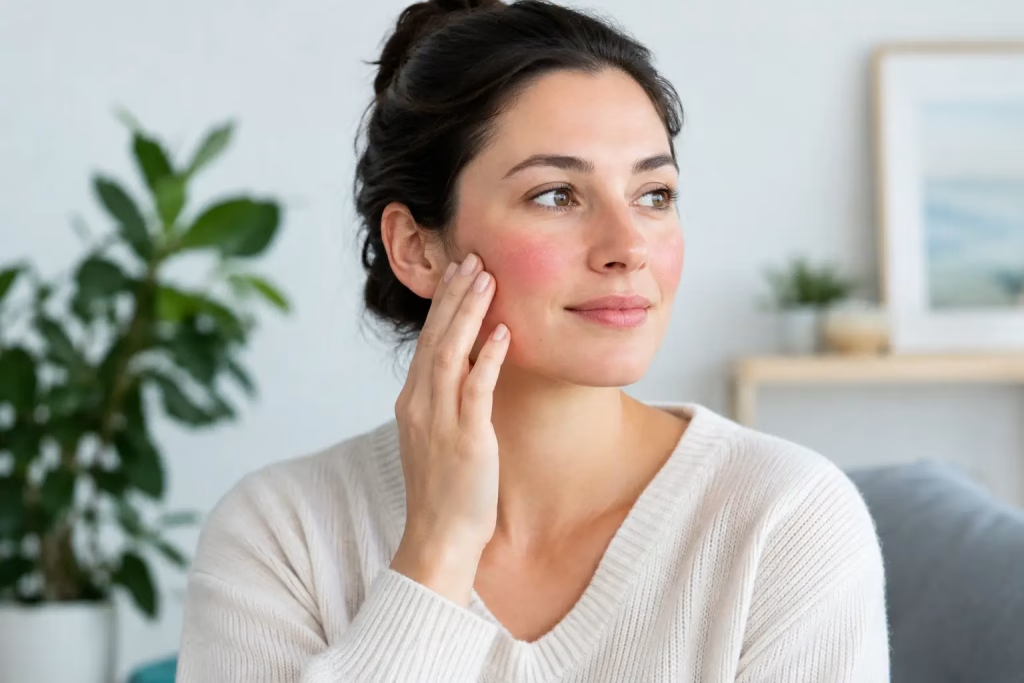
A sudden rush of warmth across the cheeks can make even a well-planned day feel unexpectedly exposed. If you are wondering how to manage facial flushing, the most effective approach is rarely to cover it up and hope for the best. It begins with understanding what your skin is reacting to, then building a measured plan that respects both your complexion and your lifestyle.
Facial flushing is common, but it is not one-size-fits-all. For some, it appears after a spicy meal, a glass of wine, an intense workout, or a change in temperature. For others, persistent redness and visible blood vessels may point to an underlying skin concern such as rosacea. The right solution depends on the pattern, frequency, associated symptoms, and your individual skin health.
Why Facial Flushing Happens
Flushing occurs when blood vessels near the surface of the skin widen, allowing more blood flow to the face. This can create temporary redness, heat, tingling, or a blotchy appearance, most often across the cheeks, nose, forehead, chin, neck, or upper chest.
Common triggers include heat, humidity, direct sun exposure, emotional stress, vigorous exercise, alcohol, hot beverages, spicy foods, and abrupt transitions between air-conditioned rooms and outdoor temperatures. Certain skin care products can also be responsible, particularly those containing strong acids, retinoids, fragrance, alcohol, or abrasive exfoliants when the skin barrier is already compromised.
Hormonal shifts, including menopause, may contribute to flushing. So can some medications and medical conditions. This is why recurring flushing deserves thoughtful attention rather than a generic skin care fix.
When redness may be rosacea
Rosacea is a chronic inflammatory skin condition that commonly causes persistent central facial redness, easy flushing, sensitivity, visible small blood vessels, and, in some cases, acne-like bumps. It can look deceptively similar to sensitive skin or adult acne, yet requires a different management strategy.
If flushing is frequent, increasingly intense, accompanied by burning or stinging, or followed by bumps and persistent redness, a doctor-led assessment is a sensible next step. A precise diagnosis helps prevent a cycle in which unsuitable products further irritate the skin.
How to Manage Facial Flushing Day to Day
Daily habits can make a meaningful difference, especially when flushing is linked to a reactive or weakened skin barrier. The aim is not to eliminate every trigger from your life. It is to identify the factors that matter most for your skin and reduce their impact without making your routine unnecessarily restrictive.
Start with a trigger pattern, not a guess
For two to four weeks, make a simple note of when flushing occurs and what happened shortly beforehand. Include meals, drinks, exercise, weather, stress level, skin care, and any new medication or supplement. Photos taken in consistent lighting can also help reveal whether redness is settling between episodes or becoming more constant.
Patterns are often more revealing than a single event. One person may tolerate coffee but flush after coffee combined with a rushed commute and outdoor heat. Another may react only to red wine, while a third finds that hot yoga is the consistent culprit. This information gives you and your clinician a stronger foundation for making practical adjustments.
Keep your routine gentle and barrier-focused
When skin flushes easily, restraint is often a luxury. Choose a mild, non-stripping cleanser and cleanse with lukewarm, not hot, water. Pat the face dry rather than rubbing it with a towel. Follow with a fragrance-free moisturizer formulated to support the skin barrier, ideally with ingredients such as ceramides, glycerin, squalane, or hyaluronic acid.
Daily broad-spectrum sunscreen is essential. Sun exposure can aggravate redness and make visible vessels more noticeable over time. A mineral sunscreen containing zinc oxide or titanium dioxide may be better tolerated by very reactive skin, although the ideal formula varies from person to person. Tinted options can offer elegant, natural-looking coverage while softening the appearance of redness.
Introduce active ingredients slowly, one at a time. Even beneficial formulas can cause a flare when applied too frequently or layered with other potent products. If your skin is actively stinging, peeling, or burning, simplify first. A calm barrier is a better starting point for any corrective plan.
Manage heat without avoiding movement
Exercise supports circulation, mood, and overall health, so it should not automatically be abandoned because of flushing. Instead, make the experience more skin-considerate. Exercise in a cooler setting, choose breathable clothing, keep a cool towel nearby, and allow a gradual cool-down after your session.
Avoid washing your face immediately with icy water. Extreme temperature changes can sometimes prolong a flush. A cool, comfortable environment and gentle hydration are usually the more reliable choice. If intense workouts consistently lead to prolonged burning or redness, consider adjusting duration and intensity while discussing the pattern with a medical professional.
Be selective with food and drink triggers
Alcohol, spicy dishes, hot soups, and steaming beverages are well-known triggers, but they are not universal ones. There is little value in eliminating a long list of foods without evidence that they affect you. Your trigger notes can help you identify the items and situations worth modifying.
If wine is a trigger, for example, you may choose to limit it before an important occasion rather than adopting an all-or-nothing rule. If hot drinks cause a flush, allowing them to cool slightly may be enough. Small, sustainable choices tend to deliver better results than overly strict routines.
Professional Options for Persistent Flushing
At-home habits are valuable, but they may not fully address persistent redness, visible vessels, rosacea-related inflammation, or flushing that affects confidence. Professional care can bring greater clarity and, where appropriate, a more targeted treatment plan.
A medical consultation should consider your skin history, current products, known triggers, medications, hormonal factors, and whether your redness is temporary or persistent. This distinction matters. A treatment that is suitable for diffuse background redness may not be the first choice for active inflammatory rosacea, while sensitive skin may need barrier recovery before any energy-based procedure is considered.
Depending on the cause and severity, a doctor may recommend prescription topical or oral therapies, especially for rosacea. For selected patients, vascular-focused light or laser treatments may help reduce the appearance of visible vessels and diffuse redness by targeting blood vessels beneath the skin. These treatments require careful assessment of skin type, redness pattern, and recent sun exposure to support a safe, refined result.
Calming, hydration-focused treatments may also have a place when dehydration and sensitivity are contributing to a compromised barrier. They should complement, rather than replace, a clinically informed plan. At Kelly Oriental Aesthetic Clinic, this approach can be curated around your skin’s tolerance, visible concerns, and desired downtime, with doctor guidance at the center of treatment decisions.
What to expect from treatment planning
Facial redness rarely responds best to a single aggressive intervention. More often, improvement comes from a sequence of thoughtful steps: reduce triggers, repair the barrier, treat active inflammation where needed, and then consider procedures for persistent redness or visible vessels.
Results also take time. A calmer complexion may emerge gradually over several weeks, while procedures for vascular concerns can require more than one session. The trade-off is worthwhile: slower, well-calibrated care is less likely to provoke the very reactivity you are trying to improve.
When to Seek Medical Advice Promptly
Most flushing is benign, but certain signs warrant timely medical attention. Seek evaluation if facial flushing begins suddenly without an obvious trigger, is severe or accompanied by hives, swelling, wheezing, dizziness, diarrhea, palpitations, chest discomfort, or difficulty breathing. These symptoms may signal an allergic reaction or another medical issue that should not be managed as a cosmetic concern.
You should also speak with a clinician if flushing starts after a new medication, becomes progressively more frequent, or causes significant discomfort. A careful assessment can rule out non-skin causes and ensure that your treatment plan is appropriate.
The most flattering solution is not simply a better concealer. It is the confidence that comes from knowing your skin, treating it gently, and choosing expert care when the pattern calls for more than a temporary fix.
