

Uncategorized
Is Pico Laser Safe for Skin Treatments?
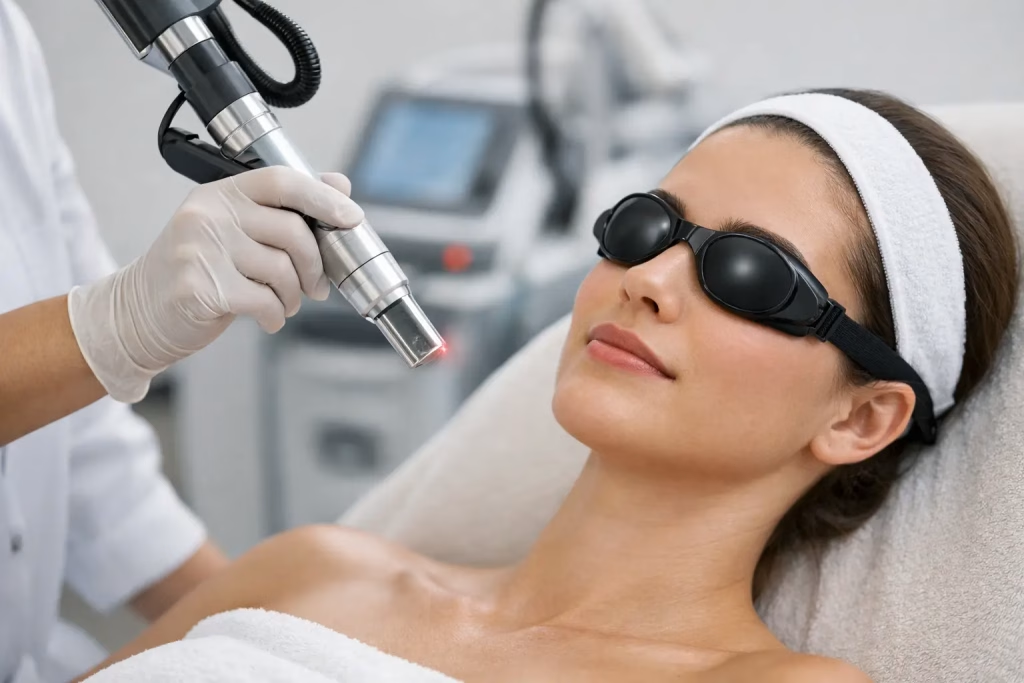
A laser can improve pigmentation, soften acne scars, and refresh overall skin tone – but for most patients, the real question comes before results: is pico laser safe? It is a fair question, especially if you are considering treatment for the face, where even a short period of irritation or visible downtime can feel disruptive.
The short answer is yes, pico laser is generally considered safe when it is performed by a qualified medical professional, on the right skin type, with the right settings, and for the right indication. The longer answer is more useful, because safety in aesthetics is never only about the device. It is about diagnosis, customization, technique, aftercare, and whether the treatment plan actually fits your skin.
Is pico laser safe when done professionally?
Pico laser technology is designed to deliver ultra-short pulses of energy in picoseconds, which are trillionths of a second. That speed matters. Instead of relying mainly on heat, pico lasers create a photoacoustic effect that breaks down unwanted pigment into smaller particles, which the body can then clear more efficiently. In many cases, this allows treatment with less thermal damage to surrounding tissue than older laser platforms.
That is one reason pico laser has become popular for concerns such as sun spots, melasma, post-inflammatory pigmentation, acne marks, acne scars, uneven tone, and tattoo removal. It can also be used in skin rejuvenation protocols to support collagen remodeling and refine texture.
Still, a sophisticated device does not make every treatment automatically safe. A well-conducted consultation should assess your skin tone, sensitivity, medical history, active breakouts, history of eczema or cold sores, current skincare products, and recent sun exposure. For patients with deeper skin tones, this step is especially important, because even effective pigment treatments can trigger post-inflammatory hyperpigmentation if the laser is not selected and calibrated carefully.
In other words, the answer to is pico laser safe is usually yes – but only when the treatment is properly planned.
What makes pico laser safer than some older lasers?
Safety often comes down to precision. Because pico lasers deliver energy in such short bursts, they can target pigment while reducing excess heat spread to nearby skin. That can translate into less redness, less downtime, and a lower risk of certain heat-related complications compared with some traditional nanosecond lasers.
This does not mean pico laser is risk-free, and it does not mean it is always the best option. Some concerns respond better to other technologies, or to a combination approach. For example, vascular redness, deep skin laxity, or severe textural scarring may require a broader treatment strategy rather than one laser alone.
A credible provider will explain that clearly. The goal should not be to force every concern into one machine, but to choose what is safest and most effective for your skin.
Common side effects and what is normal
Most patients tolerate pico laser well. The most common short-term effects are mild redness, warmth, slight swelling, and temporary dryness. Some people describe the skin as feeling lightly sunburned for several hours after treatment. Depending on the indication, treated pigment may darken briefly before flaking or fading.
For tattoo removal, there may be frosting immediately after treatment, followed by redness or pinpoint crusting. For pigmented lesions or acne marks, you may notice a peppering effect where fragmented pigment rises to the surface before it clears.
These responses are generally expected and temporary. What matters is whether they stay within the normal range. Excessive swelling, blistering, prolonged inflammation, or worsening pigmentation should always be reviewed promptly.
The safest treatment journeys also include clear aftercare. That usually means avoiding harsh exfoliants for several days, keeping the skin hydrated, minimizing heat exposure, and being meticulous with sun protection. A technically good laser treatment can still be compromised by poor aftercare, especially in pigment-prone skin.
When pico laser may not be the right choice
There are situations where pico laser should be delayed, modified, or avoided. If you have an active skin infection, open wounds, significant irritation, or a recent tan, treatment may increase the risk of complications. Patients using certain photosensitizing medications or strong topical actives may also need a pause before treatment.
Pregnancy policies vary by clinic and indication, but many providers take a conservative approach and postpone elective laser procedures. A history of keloid scarring, uncontrolled melasma, or recurrent herpes simplex may also affect how treatment is planned.
This is where medical oversight becomes valuable. Two patients may both want treatment for pigmentation, but one may be a straightforward candidate while the other needs pre-treatment skin conditioning, different settings, or a different modality entirely.
Is pico laser safe for darker skin tones?
It can be, but this is one of the areas where expertise matters most. Darker skin contains more melanin, and melanin is exactly what many lasers interact with. That raises the stakes. The wrong wavelength, excessive energy, or overly aggressive treatment can cause post-inflammatory hyperpigmentation or, less commonly, hypopigmentation.
That does not mean darker skin should avoid pico laser. It means treatment should be approached with precision and restraint. Conservative settings, appropriate device selection, and realistic spacing between sessions often produce the best outcomes. In many cases, a gradual series is safer than pushing for dramatic change in one session.
For patients with melasma, the conversation becomes even more nuanced. Melasma is complex, hormonally influenced, and easily aggravated by heat and inflammation. Pico laser may help certain presentations, but it is rarely a standalone answer. A thoughtful plan often combines laser with topical care, barrier support, and strict sun avoidance.
The difference between safe treatment and safe-for-you treatment
This is the distinction many patients miss. A treatment can be widely regarded as safe and still not be the best choice for your skin at this moment.
If your barrier is compromised, if your pigmentation is reactive, or if you are preparing for a major event in the next few days, timing matters. If your concern is actually redness rather than pigmentation, another energy-based treatment may be more appropriate. If your acne scars are deep and tethered, pico laser alone may not create the level of improvement you expect.
Safety is not only about avoiding harm. It is also about avoiding unnecessary treatment, poor sequencing, and mismatched expectations.
That is why a premium aesthetic experience should feel calm, thorough, and unhurried. You should understand what the laser is treating, what it is not treating, how many sessions may be needed, and what your skin is likely to look like between visits.
How to judge whether a provider is taking safety seriously
A good consultation usually tells you more than the brochure. Look for a provider who asks detailed questions, examines your skin in proper lighting, discusses alternatives, and explains possible side effects without minimizing them.
It is also reassuring when the treatment plan feels tailored rather than scripted. Different areas of the face may require different settings. A patient treating diffuse pigmentation may need a different approach from someone targeting acne marks or tattoo ink. Safety improves when treatment is individualized.
Doctor-led clinics tend to be especially valuable for patients with mixed concerns, reactive skin, or a history of pigmentation issues. At Kelly Oriental Aesthetic Clinic, this tailored approach is part of what makes the patient journey feel refined as well as clinically grounded.
So, is pico laser safe?
For most suitable candidates, yes. Pico laser is considered a safe and effective option for many common skin concerns, particularly when it is used thoughtfully and conservatively by experienced hands. Its ability to target pigment with less collateral heat is one reason it has earned a trusted place in modern aesthetic medicine.
But the most reassuring answer is not a blanket yes. It is a personalized one. Safe treatment starts with understanding your skin, your goals, your risk factors, and the result you actually want to see in the mirror.
If you are considering pico laser, choose a clinic that values precision over speed and customization over promises. The best aesthetic outcomes rarely come from doing the most. They come from doing what is right for your skin, at the right time, with care.
