

Uncategorized
Is Pico Laser for Post Acne Marks Worth It?
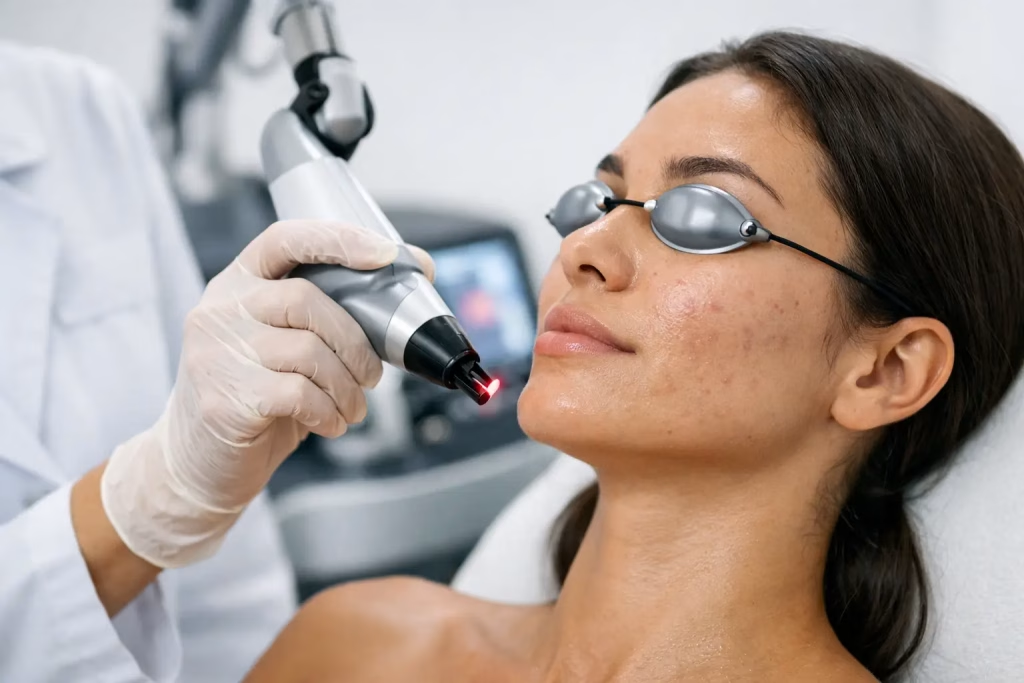
Post-acne marks can be especially frustrating because they linger long after breakouts have settled. For many patients, pico laser for post acne marks becomes part of the conversation when brightening serums, exfoliants, and time alone have not delivered the clarity they want. The appeal is understandable – a treatment that targets discoloration with precision, minimal downtime, and a refined approach to skin renewal.
That said, not every post-acne mark is the same, and not every laser is chosen for the same reason. If you are considering a more advanced option, the real question is not simply whether pico laser works. It is whether it is the right fit for your skin, your marks, and your expectations.
What pico laser for post acne marks actually treats
The first distinction that matters is the type of mark left behind after acne. Many people use the phrase “acne scars” to describe anything that remains after a breakout, but in clinic practice, post-acne marks often fall into two very different categories.
The first is pigmentation. These are flat red, pink, brown, or grayish marks that remain after inflammation fades. They are not dents or raised scars. They are changes in color, and they often improve with the right pigment-focused treatment plan.
The second is textural scarring. These include ice pick scars, boxcar scars, and rolling scars. They involve structural changes in the skin and usually require a different strategy, sometimes combining several modalities over time.
Pico laser is typically most helpful when post-acne marks are pigment-related. In some cases, it can also support overall skin quality and help soften the appearance of mild textural irregularities, but it is not a one-size-fits-all solution for deeper acne scarring.
How pico laser works
Pico laser delivers ultra-short pulses of energy in picoseconds, which are trillionths of a second. That speed matters. Instead of relying primarily on heat, the device creates a photoacoustic effect that breaks up unwanted pigment into smaller particles so the body can gradually clear them.
For patients with post-acne marks, this approach can be appealing because it allows targeted treatment with less collateral heat than many traditional pigment lasers. In practical terms, that may translate into a gentler recovery experience, especially for patients who want effective treatment but prefer limited disruption to work and social schedules.
Another advantage is versatility. Depending on the device settings and handpiece used, a doctor may use pico laser not only to address pigmentation but also to stimulate collagen remodeling. That does not mean it replaces dedicated scar revision treatments in every case. It means it can sometimes play a supportive role in a broader skin-correcting plan.
Why some patients see faster improvement than others
Results depend on what the marks actually are. Brown post-inflammatory hyperpigmentation often responds more predictably than lingering redness. Fresh marks may behave differently from older, more stubborn pigmentation. Skin tone also matters, because treatment settings should be adjusted carefully to reduce the risk of irritation or rebound pigmentation.
Sun exposure is another major factor. Even excellent laser work can be undermined by UV exposure if the skin is not protected properly afterward. That is one reason experienced clinics place so much emphasis on aftercare, daily sunscreen use, and realistic treatment spacing.
Then there is the issue of ongoing acne. If active breakouts are still happening regularly, new marks can continue to form while existing ones are being treated. In those situations, the best plan may include acne control first, or at least alongside laser sessions, so the skin is not caught in a cycle of constant inflammation.
Is pico laser for post acne marks suitable for all skin tones?
It can be suitable for many skin tones, but this is where proper assessment becomes especially important. Patients with medium to deeper skin tones are often more prone to post-inflammatory pigmentation, which means treatment must be selected and calibrated thoughtfully.
A careful clinician will look at your skin type, your tendency to pigment, the depth and color of the marks, and your broader skin goals before recommending a treatment course. Sometimes pico laser is an excellent choice. Sometimes another device, a gentler series of treatments, or a combination approach is the more elegant option.
This is also why consultation matters more than marketing claims. A premium treatment should not be sold as a universal answer. It should be prescribed with precision.
What treatment feels like and what downtime to expect
Most patients describe pico laser as tolerable, with a snapping or tingling sensation during treatment. The exact feel depends on the settings used and the area treated. Sessions are usually relatively efficient, which appeals to busy professionals looking for high-performance treatments without a prolonged appointment.
Afterward, the skin may look pink or slightly flushed for a short period. Some patients notice mild dryness or a sandpapery texture as the skin turns over. Downtime is typically lighter than with more aggressive resurfacing treatments, but “minimal downtime” should not be confused with no aftercare. Your skin still needs gentle products, diligent sun protection, and time to recover properly between sessions.
For an important event, it is still wise to plan ahead rather than book treatment at the last minute. Even subtle downtime can matter when your calendar is full.
How many sessions are usually needed
This depends on the severity and persistence of the marks. Some patients notice visible brightening after a few sessions, while others need a more extended series to achieve meaningful improvement. It is common for pigment-related concerns to require multiple treatments spaced several weeks apart.
That may sound less dramatic than a one-session promise, but it is often a better reflection of how skin behaves. Thoughtful aesthetic care is usually cumulative. The aim is controlled progress, not excessive intensity.
Maintenance may also become part of the conversation, especially if your skin is prone to recurrent breakouts or pigmentation. In a well-designed treatment journey, this is not about overtreatment. It is about preserving results in a way that fits your skin and lifestyle.
When pico laser is not enough on its own
If your concern is true acne scarring with depressions in the skin, pico laser may not be the only treatment you need. Deeper scars often respond better when laser is combined with techniques such as subcision, RF microneedling, collagen-stimulating treatments, or other resurfacing approaches.
Likewise, if your post-acne marks are mostly red rather than brown, a vascular-focused device may be more appropriate than a pigment-focused laser. If your skin barrier is inflamed, highly sensitive, or affected by active acne, the first step may be calming and stabilizing the skin rather than treating marks immediately.
The most sophisticated treatment plans are rarely built around a single machine. They are built around diagnosis.
What makes a good candidate
A good candidate for pico laser for post acne marks is usually someone with flat pigment marks, relatively controlled acne, and a willingness to complete a series rather than judge the treatment after one session. Patients who value lower downtime and a polished, gradual improvement often appreciate this option.
It also suits those who prefer doctor-led planning over trend-driven treatment shopping. That distinction matters. When the skin has a history of acne, pigmentation, or sensitivity, nuance matters more than novelty.
At a clinic such as Kelly Oriental Aesthetic Clinic, that planning process is part of the value. The treatment itself matters, but so does the quality of assessment, setting selection, and the larger strategy surrounding it.
Questions worth asking before you book
Ask what kind of post-acne marks you actually have. Ask whether the recommendation is for pigmentation, texture, or both. Ask how many sessions may be realistic for your skin and what kind of aftercare is expected.
You should also ask what happens if the marks do not respond as expected. A credible clinic will explain alternatives, not just repeat the same treatment indefinitely. That level of transparency is often the clearest sign that the recommendation is tailored rather than routine.
Cost should be discussed in context as well. A premium laser can be worthwhile when it is chosen well and delivered appropriately. It becomes less worthwhile when it is used as a blanket answer for concerns it was not designed to solve.
The real value of pico laser for post acne marks
Pico laser can be an excellent option for post-acne marks when the target is pigmentation, the skin is assessed carefully, and the plan is realistic. It offers precision, flexibility, and a recovery profile that fits modern schedules well. For many patients, that balance is exactly what makes it appealing.
Still, the best aesthetic results rarely come from chasing a device name alone. They come from choosing the right treatment for the right indication, at the right pace, with the right medical guidance. If your skin has been holding on to the memory of acne longer than you would like, a thoughtful consultation can tell you far more than any trend ever will.
