
Uncategorized
A Guide to Laser Skin Resurfacing
Clearer, smoother skin rarely comes from a single concern. For most people, it is a mix of texture changes, old acne marks, sun damage, enlarged pores, and the first signs of collagen loss showing up all at once. That is why a thoughtful guide to laser skin resurfacing matters – not as a trend piece, but as a practical way to understand which treatment may actually suit your skin, schedule, and goals.
Laser skin resurfacing is a category of treatments that uses concentrated light energy to improve the skin’s surface and, in many cases, stimulate deeper renewal. Depending on the device and settings used, it can target fine lines, acne scars, uneven tone, pigmentation, laxity, and rough texture. Some treatments focus on refreshing the outer layer of the skin, while others create controlled heat deeper within the tissue to encourage collagen remodeling over time.
For patients who value visible results but also want a measured, medically guided approach, the nuance matters. Not every laser is meant for every skin tone, every concern, or every recovery window. The right choice depends on what you want to improve and how aggressively you are prepared to treat it.
What this guide to laser skin resurfacing should clarify
The phrase laser resurfacing is often used broadly, which can make consultations feel more confusing than reassuring. In reality, there are several different approaches under the same umbrella.
Ablative lasers remove part of the skin’s outer layer while heating the tissue beneath. These are typically more intensive and can deliver dramatic improvement for deeper wrinkles, significant sun damage, and pronounced scarring. They also involve more downtime and aftercare.
Non-ablative lasers work beneath the skin surface without removing the top layer in the same way. They are generally gentler, with less recovery, but they usually require a series of sessions and more patience. Fractional technology can be used in either category. Instead of treating the entire surface uniformly, it creates microscopic treatment zones, leaving surrounding skin intact to support healing.
This distinction matters because stronger is not always better. A patient with mild acne scarring, an active professional schedule, and a preference for gradual refinement may be better served by a lower-downtime plan. Someone with more advanced texture concerns may decide that a more intensive treatment is worthwhile if recovery is manageable.
What laser skin resurfacing can improve
When selected well, laser resurfacing can address more than one concern in the same treatment plan. That is part of its appeal. Rather than chasing pores, pigmentation, and fine lines separately, resurfacing can improve overall skin quality in a more cohesive way.
Texture is often the first thing patients notice. Skin can feel smoother and look more polished after resurfacing, especially when roughness, enlarged pores, or shallow acne scarring are involved. Fine lines may soften as collagen activity increases. Pigmented changes from sun exposure can also improve, although some pigment conditions respond better to pigment-specific laser platforms than to resurfacing alone.
Acne scars are a common reason people consider treatment, but results depend on scar type. Rolling and boxcar scars often respond better than deep ice-pick scars. In many cases, the best outcomes come from combination planning rather than one standalone session. A doctor may recommend pairing resurfacing with subcision, microneedling, radiofrequency, or other scar-directed methods for more complete correction.
Who is a good candidate
Good candidacy is about more than wanting better skin. Your skin tone, sensitivity, medical history, current medications, tendency toward post-inflammatory hyperpigmentation, and tolerance for downtime all shape the decision.
Patients with lighter skin tones have traditionally been treated more aggressively with certain resurfacing lasers because there is a lower risk of pigment disruption. That said, modern protocols and energy-based options have expanded what is possible for a wider range of skin tones when treatment is carefully selected and expertly performed. Conservative settings, proper priming, and post-treatment care become especially important in darker or more reactive skin.
If you have active acne breakouts, melasma, eczema flares, or recent tanning, treatment may need to be delayed or modified. The same applies if you are pregnant, taking isotretinoin, or prone to keloid scarring. An experienced medical consultation should not feel rushed here. Precision at this stage protects both safety and outcome.
What happens before, during, and after treatment
Most resurfacing journeys begin with skin assessment rather than the laser itself. A physician or qualified provider evaluates your skin condition, discusses your priorities, and recommends the right technology, intensity, and number of sessions. Pre-treatment preparation may include pausing active skincare ingredients like retinoids or acids, avoiding direct sun exposure, and using pigment-control products if your skin is prone to discoloration.
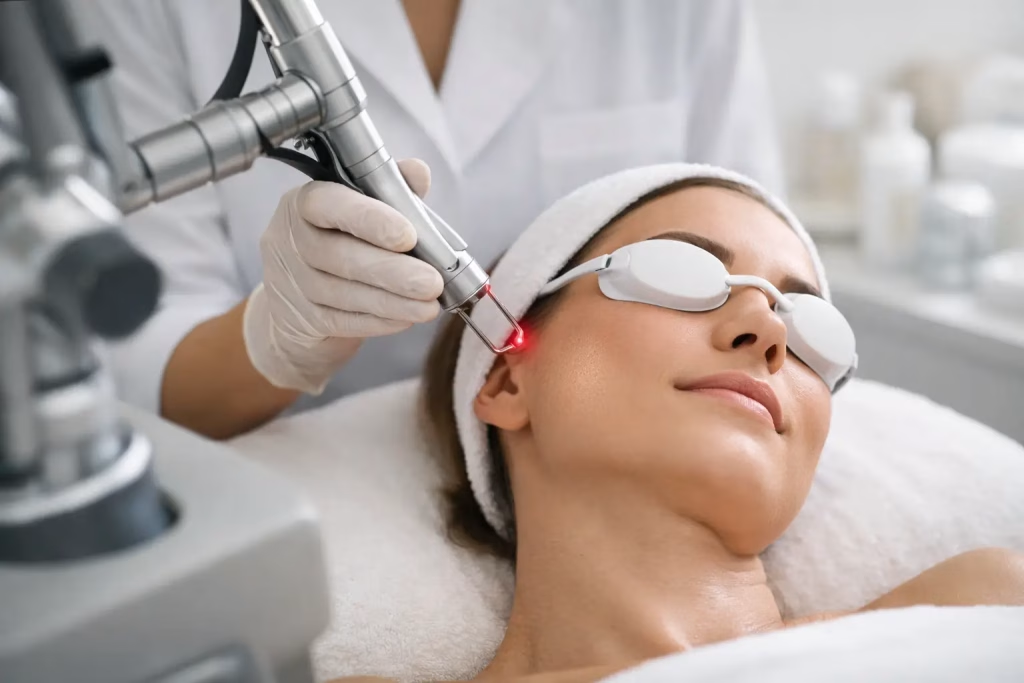
During treatment, the skin is cleansed and, for more intensive sessions, numbing cream may be applied. Patients usually describe the sensation as heat, prickling, or repeated snapping against the skin. The exact experience depends on the device and depth of treatment. Some sessions are quick and very tolerable. Others are more involved and require stronger comfort measures.
Immediately after treatment, the skin may look pink or red and feel warm, similar to a strong sunburn. With lighter non-ablative treatment, this can settle within hours to a few days. With deeper fractional or ablative resurfacing, redness, swelling, bronzing, peeling, and a longer social downtime are normal. Recovery can range from a weekend to a few weeks, with residual pinkness lasting longer in some cases.
Aftercare is not a minor detail. It is part of the treatment. Gentle cleansing, intensive hydration, strict sun protection, and avoiding unnecessary heat or friction help the skin heal well. Picking at flaking skin, returning to active ingredients too early, or skipping sunscreen can compromise results and increase the risk of irritation or pigmentation.
Results, timelines, and realistic expectations
One of the most common misconceptions is that all laser resurfacing results are immediate. Some benefits are visible once the initial healing phase passes, especially if dull, rough surface skin has been refreshed. But collagen remodeling takes time.
For non-ablative treatments, improvement often appears gradually over several weeks and continues with repeated sessions. For stronger resurfacing, the skin may initially look worse before it looks better due to redness and peeling. Long-term improvement in texture and fine lines may keep developing for months.
It is also worth being honest about limits. Laser resurfacing can significantly improve many concerns, but it does not make skin poreless, scar-free, or permanently young. Maintenance matters. Sun exposure, age, lifestyle, and baseline skin quality all influence how long results last.
Risks and trade-offs to consider
Every meaningful aesthetic treatment involves trade-offs. In laser resurfacing, the core trade-off is usually intensity versus downtime. More aggressive treatment may produce more dramatic change in fewer sessions, but it also raises the stakes for recovery, aftercare, and potential side effects.
Temporary redness, swelling, peeling, and sensitivity are expected. Less common but important risks include infection, prolonged erythema, acne flares, scarring, and post-inflammatory hyperpigmentation. The risk profile changes based on device selection, operator skill, treatment settings, and skin type.
This is why the setting matters. In a doctor-led aesthetic clinic, laser planning should not be reduced to a menu choice. It should be a tailored decision grounded in skin biology, not guesswork. At a clinic such as Kelly Oriental Aesthetic Clinic, that personalized approach is part of what makes treatment feel both elevated and reassuring.
How to choose the right laser approach
If your main concern is early texture change, dullness, or enlarged pores, a gentler fractional or non-ablative route may be enough. If acne scarring is more established, a series-based plan with stronger remodeling strategies may be more appropriate. If pigmentation is your dominant issue, resurfacing may help, but a pigment-focused laser could be the smarter first step.
A well-structured consultation should explain why a specific device is being recommended, how many sessions are likely needed, what the recovery will actually look like, and what results are realistic for your skin. That clarity is part of premium care. You should not feel sold to. You should feel informed.
For many patients, the best laser treatment is not the most aggressive option. It is the one that fits elegantly into real life, respects the skin’s limits, and builds improvement in a way that feels sustainable.
Beautiful skin rarely comes from chasing the strongest treatment in the room. It comes from choosing wisely, treating precisely, and giving your skin the care it needs to respond well.
